Plus upcoming events in Portsmouth, Coventry, London, Canterbury, Birmingham & Hay-on-Wye
I grew up watching British director Edgar Wright’s movies – Shaun of the Dead, Hot Fuzz, Spaced, Scott Pilgrim – on repeat. Almost every day after school. I was a bit obsessed.
I didn’t realise it at the time, but I was learning a skill that would be really important for my future career in writing (back then, I wouldn’t have even imagined becoming a writer one day!)
Edgar Wright shoots visual comedy in a really specific way that uses the frames to land punchlines. The jokes don’t just come from the characters – they come from the stylistic choices, smash cuts, labels and montages. They are so. much. fun.
As an example, here’s a scene from Shaun of the Dead. A few things feel really distinctively ‘Edgar Wright’ to me here:
- The exposition given through a (funny) list on the fridge – visual information, with added humour
- The repetition of mundane lines (“Do you want anything from the shop?”) until they become funny, and represent something deeper about a dynamic between two characters
- The key, cinematic moments (zombies) being completely missed by the oblivious main character, who is struggling just to survive normal life
- The very mundane, restrained character rising up to be the hero, while the more flamboyant, outgoing character is relegated to sidekick status – the protagonist becomes interesting because of their subdued reaction to scenarios everyone else would find flabbergasting
- Quirky foreshadowing of imminent events, that brings the viewer in on the joke – the protagonist is missing the obvious, that we can all see coming
All of these qualities are things I tried to draw on when scripting my first graphic novel, The Victors. This is the first time I’ve been able to play with real visual comedy in a book.
The closest you’re able to get to recreating this kind of ‘cinematography’ based storytelling within a prose novel is when you include different styles of writing alongside prose. Footnotes, social media excerpts, emails, newspaper articles, blog posts, post-it note memos, fanfic, narrators giving commentary – these epistolary styles can replicate the fast-paced cutaways that are used to emphasise the narrative in on-screen comedy.
I use these things in my stories, going right back to my debut The Next Together in 2014. Often, the epistolary elements highlight blindspots in the protagonist’s perspective, or give more nuance to the close-first person action by showing a wider world perspective.
It allows you to provide moments of light banter between characters in places where the action doesn’t allow it in the main scene. This can provide a fun contrast to break the tension, as well as making the world feel more alive and lived in. And also, it’s just a great way to wedge in as many jokes as possible.
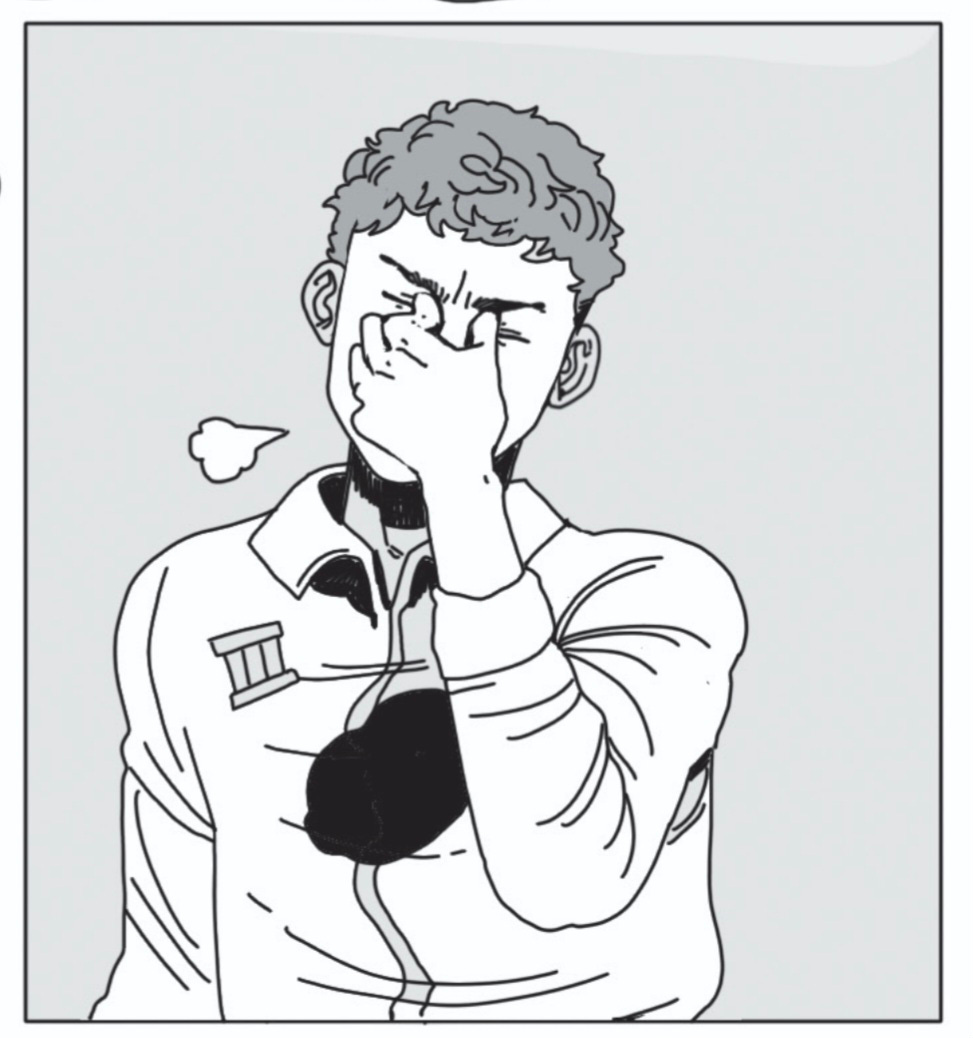
Writing is fun – it’s like playing with your favourite toys and exploring what kind of situations you can nudge them into, just to see how they react. I see that same kind of playfulness in Edgar Wright’s directing. He’s having fun. He’s enjoying the medium itself just as much as the story he’s creating.
The love of the medium is a big reason I wanted to branch out into writing a graphic novel. After working in script development on Heartstopper, I was dying to write something in a tight, cinematic format. There’s something so special about a beautifully designed standalone graphic novel that immerses you in a self-contained adventure. Writing within those constraints is a bit of a literary puzzle. I wanted to try to explore some new comedy styles in a format that would really push its potential to the limit.
British comedy TV in general really shaped my sense of humour, from Black Books to Misfits and Green Wing. I loved stories about mundane misfits who find a kindred spirit and become, well, worse. I’ve carried that sensibility in character archetypes through a lot of my books (see: The Reckless Afterlife of Harriet Stoker). When I rewatch these shows now, I can see the genesis of characters like Rima and Felix, Medusa and Dirk in Bernard and Manny or Tim and Daisy. The archetypal high-energy, low-energy duos that make comedy sing.
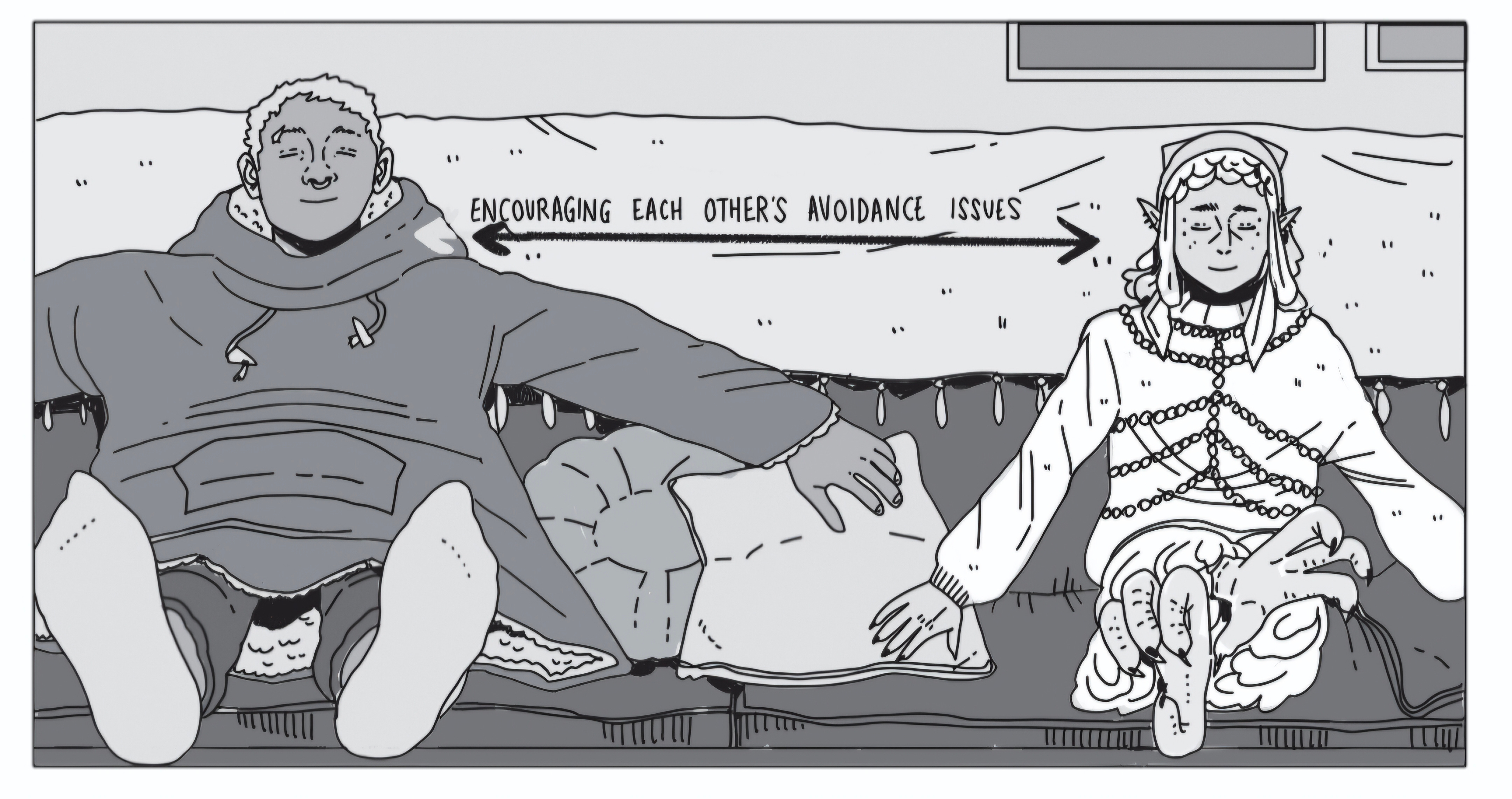
When I pitched The Victors to my publisher, I had a strong vision of Dirk and Medusa right from the onset. Their character details are total mirrors of each other, from dark to light; dull to vibrant; outgoing to reclusive. That contrast is essential to give maximum opportunities for comedy (and profundity!) in the interactions between them.
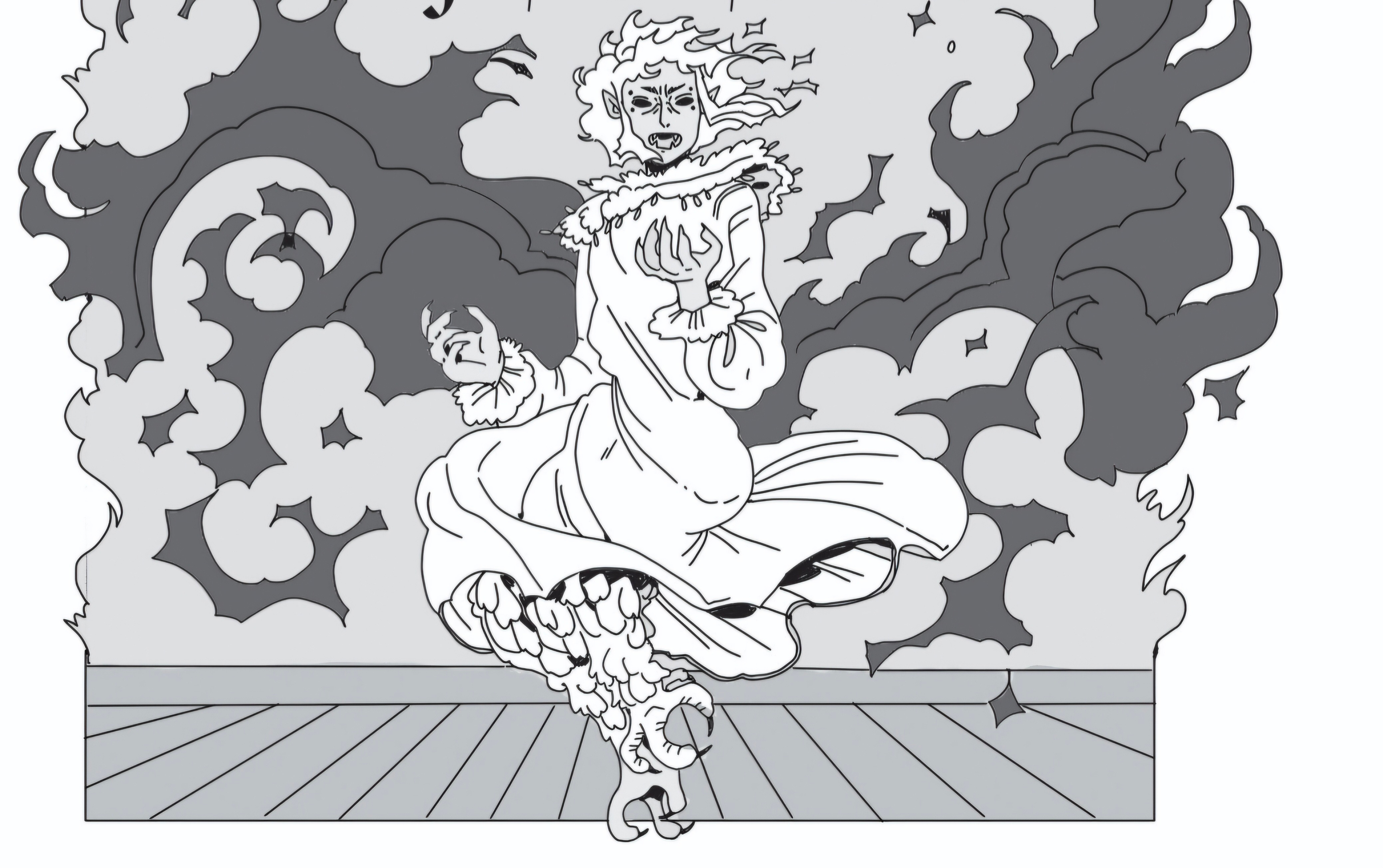
When we found the right illustrator – the incredible Beth Fuller – the whole project came to life. The comedy flowed easily, but what surprised me was the tenderness that came with it.
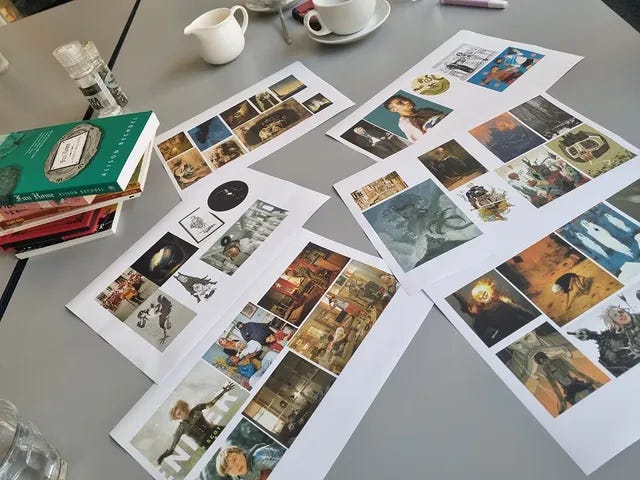
We see a lot of talk of ‘cosy’ books in 2026 – cosy fantasy, but also cosy dystopias and cosy horrors(!). What we mean by that, I think, is: I can imagine myself hanging out with these people. I feel at ease here. Even with no/low action, I am enjoying just being around the characters, because I like them so much.
That was the same feeling that kept me coming back to Edgar Wright’s movies as a teenager. I wanted to spend time with the characters. In a world that made me feel cosy – even with the zombie attacks.
I hope that when you read The Victors, you will get that cosy feeling too (but I can’t promise there’s no zombies).
Events
If you want to meet me, here are a few events I’m going to be appearing at:
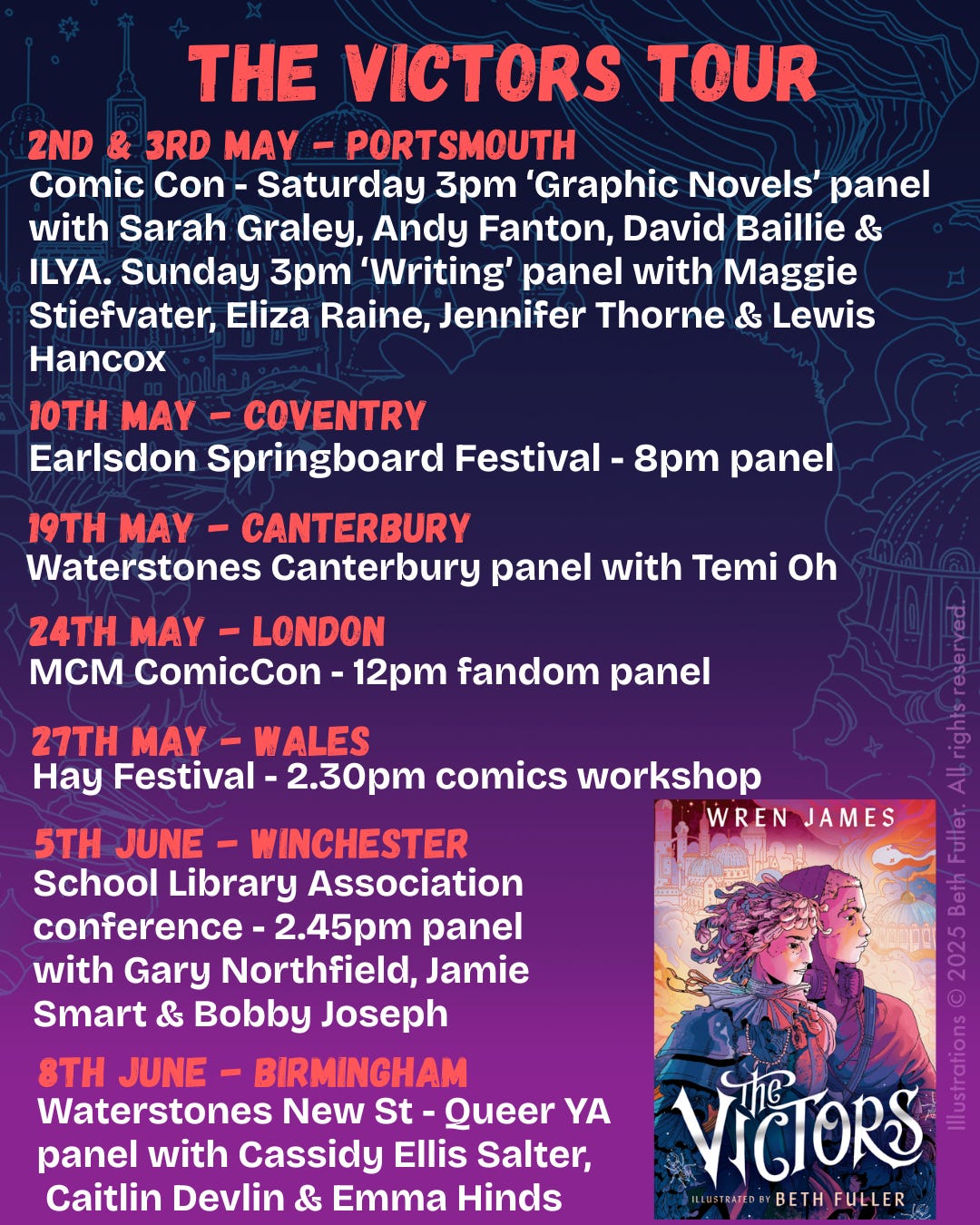
PORTSMOUTH//2nd & 3rd May – Portsmouth Comic Con – tickets here
Saturday – 3pm ‘Comics & YA Graphic Novels’ Panelwith Sarah Graley, Andy Fanton, David Baillie and ILYA
Sunday – 3pm ‘How to be an Author in the Age of Booktok and Fandom‘ panel with Maggie Stiefvater, Eliza Raine, Jennifer Thorne, and Lewis Hancox
COVENTRY//10th May – Criterion Theatre – 8.45pm Springboard Festival panel with authors Aaron Ashmore, Anna Patrick and Nicky Downes – tickets here
CANTERBURY//19th May – Waterstones Canterbury panel with Temi Oh – tickets here
LONDON//24th May – MCM Comic Con – 12 – 12:50pm, Artist Alley Stage – ‘The Importance of FanFic within the Comic Sphere’ Panel – day tickets here
HAY-ON-WYE//27th May – 2.30pm Making Comics workshop, Hay Festival – tickets here
WINCHESTER//5th June – School Library Association (SLA) Annual Conference – University of Winchester, tickets – 2.45pm ‘The role of graphic novels in reading engagement’ panel with Gary Northfield, Jamie Smart & Bobby Joseph
BIRMINGHAM//8th June – Waterstones New St – Queer YA panel – tickets TBC here

