Everything You Believe Is Wrong (or, why I thought I couldn’t be a writer)

So, I used to love writing as a kid. I wrote stories about my dogs (something I think every author does, as a kid. Right?).

dogs tail
Age 13

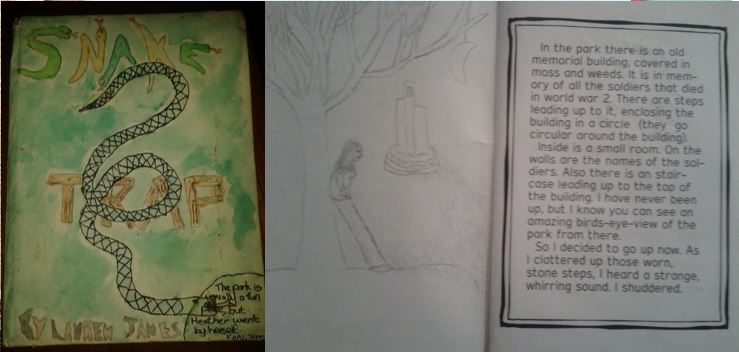
I wrote stories about my local park’s war memorial actually being a time machine space ship for vampire shapeshifter alien snakes (that old cliché, urgh).

snake trap
Age 11

But when I was about fourteen, I kind of . . . stopped writing. For years, actually. It wasn’t until I was at university that I started writing again. There are lots of reasons I stopped. Here are some of them – and why I was totally wrong about everything.

1) I’m too young to write anything good

All of the authors of my favourite books, the ones who were famous, were in their forties and fifties. So even though I really wanted to be a writer, I thought there was no point in trying until I was older. I thought that I had to get a lot more life experience before I’d have anything worth writing about.

I was SO WRONG. Everyone, of any age, has something worth saying! Especially when writing YA, which is aimed at teenagers, a young person is going to have so much to say which is relevant to their audience, because they are their audience.

2) Writers have to write all the time

I love writing, but to be honest . . . as a teenager it was never my priority. There were too many other things to do. I would write occasionally, but never out of habit – more just because I’d run out of other things to do and come across my notebook.

I thought that clearly, clearly, I didn’t care enough about writing to do it at a professional level. I thought that I could never write anything good if I wasn’t prepared to practice constantly. I remember watching an interview with Ian Rankin, where he said that as a kid he was so desperate to write that he would write in pencil on his bedroom walls. That was never me – I was never obsessive about writing. So I thought: clearly I’m never going to be an author.

But again, I was really wrong. Writing is 90% reading, in my opinion. By reading, you learn how to write. Read anything and everything and critically engage with it – think about what plots work, what characters are developed and which aren’t, what keeps you hooked and invested in the story – and you’re 90% of the way there already. You don’t need to write all the time to be a writer. But you do need to read all of the time.

Plus – if you’re always writing, you’re not going to have anything to write about, except a writer sitting at a desk staring at a blank word document! Get out of the house and have some adventures, get into trouble or go on a gap year. Then you’ll have something fun to write about when you get home.

3) I don’t read enough serious ‘Classics’ to be an author

I’ve always been a huge reader. I used to get library books out on my library card, my mum’s, my dad’s and my brother’s . . . and read them all in a week and return them to get some more. I read my local library’s entire Children’s section,and moved onto the Adult fiction. But. I didn’t think I read the right stuff to be a writer. I was never really into Classics, which were the kind of things I thought authors should be reading.   

I thought if I couldn’t even read the ‘intelligent’ stuff, then what would the stuff I was writing be like?

BUT. You’ve guessed it . . .  I was wrong. You don’t need to read Classics. Not ever, if you don’t want to. They are interesting, in a ‘ooh, so this is the first time that method/technique/literary device was done’ but to be honest  . . . you can see a lot of the same stuff in modern literature too, which has built on centuries of groundwork done by classical writers.

Read whatever you enjoy, man.

The same goes for writing. Write something you love, and that passion will shine through in the book. If you’re writing a Serious Novel just because you think you should, and you don’t love everything about it, readers will be able to tell. (Plus, you’re more likely to actually finish writing something if you’re desperate to find out what happens yourself. Write what you want to read.)

4) My writing isn’t as good as in books.

I used to read back over my writing, and cringe at how terrible it was – full of errors and clumsy sentence structures and just plain bad dialogue. Especially when I compared it to the books I was reading, which had elegant prose and funny jokes and perfect grammar. (To be honest, I still do this now.) But you can’t let that stop you writing. Those published books have been edited more times than you can imagine. They’ve had teams of people going over every single word to make sure it’s perfect. At one stage, they would have looked exactly like your writing too. All first drafts suck.

5) Barely anyone gets published, so why bother trying?

Okay, firstly, past!Lauren, you have completely missed the point of writing. Writing is so much fun – you get to create your own worlds! You get to make up characters, and have them fight each other! Or kiss each other! Or fight each other and then kiss each other! Or kiss each other and then fight each other and then get really close to each other’s faces and accidentally start kissing again! Wait . . . what was I saying? [cough]

You don’t write to get published. For me, I write because I have an itch to read a book that doesn’t exist, and the only way to satisfy that itch is to write the book. I love writing (some of the time). I love it even if it never gets published. So it’s always worth writing – and actually, loads of people get published. Look at me!

Don’t let pessimism stop you from trying. Believe in yourself, because if you don’t, then nobody else will.

A rebloggable version of this post can be found here.

Behind the Book: Copyeditor Miranda Baker

Previously in this series: Agent | Ghostwriter | Editor | Library Assistant  | Publicity Assistant | Typesetter | Cover Designer | Foreign Rights Manager | Blogger | Scout |Translators | Book charity 

Today I’m talking to Miranda Baker, the copyeditor of The Next Together. Miranda was the person who made sure all of my tangled time travel-y storylines didn’t create any massive plotholes which my editor and I had missed. I am intensely grateful to her for noticing many issues which needed fixing – and copyediting is also really interesting on a personal level. My copyedits made me aware of several things which characters do far too often in my writing:

  • bite their lips
  • giggle
  • be thrilled/delighted
  • gaze at each other
  • look at each other’s lips
  • smile at each other (specifically quirk a smile)
  • kiss

So while there’s still lots of that in the finished book, there’s hopefully….. less!

In her interview, Miranda tells us how copyediting is done, and the difference between editing and copyediting.


What does your job involve?

The copyeditor’s job is to read the edited manuscript for consistency (do the characters’ names change halfway through, for instance) and accuracy of any factual information, and to correct any spelling or grammatical errors. The copyeditor may also suggest changes to text that’s unclear or repetitive.

 How did you get started in copyediting? Did you do any work experience?

I’ve actually had quite a varied career, mostly working on titles for younger children. My first publishing job was as an editorial secretary for Puffin and I’ve worked for various children’s publishers since then. I started working as a freelancer editor and copyeditor after my children were born.

 How does copyediting compare to the work of editors?

The editor basically looks after the book from the moment it’s taken on. As well as working with the author to shape the text, they will liaise with other departments – design, rights, marketing, publicity, contracts, finance – to see the book through the publishing process. The copyeditor, who might be in-house or a freelancer, is just involved in one editorial stage.

 What’s your favourite part of your job?

I get the chance to read a wide range of wonderful stories. I also love the technical side of editing – spotting rogue commas.

 How do you approach fact checking and background research when copyediting?

Google! I often wonder what on earth editors did before the arrival of the Internet.

 The Next Together has several historical timelines. How was the experience of copyediting this?

It was quite challenging, but interesting. Probably one of the most complicated titles I’ve worked on, but a great read!

 What are some of your favourite children’s books now and from your childhood?

ND1tsotocLike most editors, I was a voracious reader as a child. I loved Laura Ingalls Wilder, Judy Blume, Alan Garner, Susan Cooper, the Nancy Drew mysteries… Anything and everything I could get my hands on.

 Has being involved in publishing changed how you read books for pleasure?
I’m not sure, but I don’t think so. Reading is still one of my greatest pleasures.

 What advice do you have for anyone looking to get into publishing?

Most of the people I’ve met recently who are new to publishing had done internships or work experience for lots of different publishers.

Miranda Baker is a freelance writer and editor who works on children’s books for all age levels, from board books and novelty books to annuals and YA fiction. Her clients include Puffin, Nosy Crow, Walker, Ladybird, Chicken House, HarperCollins, Orchard and Hodder Children’s Books, Granta and Portobello Books.


In other news: I did a video interview with the online Independent bookshop Hive:

I’ve just finished my mini-tour for The Next Together. I had a great time visiting lots of schools, libraries, bookshops and universities. Thank you for everyone who came out to see me! My next event is YA Shot on October 28th in London, where I’ll be doing a panel with Lucy Saxon and Catherine Doyle.

Behind the Book: Book Trust coordinator Katherine Webber

More in this series: Agent | Ghostwriter | Editor | Library Assistant  | Publicity Assistant | Typesetter | Cover Designer | Foreign Rights Manager | Blogger |Scout |Translators | Book charity | Copyeditor

Today I’m talking to my friend Katie, who is not only the loveliest and most energetic person ever (you might have seen her running around at YALC in full Sailor Moon costume, organising everything!), she’s also taking over the UKYA world. Her first novel comes out next year, and she works for reading charity the Book Trust too! I’m so excited to share with you her thoughts on UKYA, diversity and more!


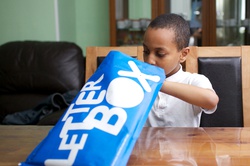
What does your job involve? boy-with-blue-parcel

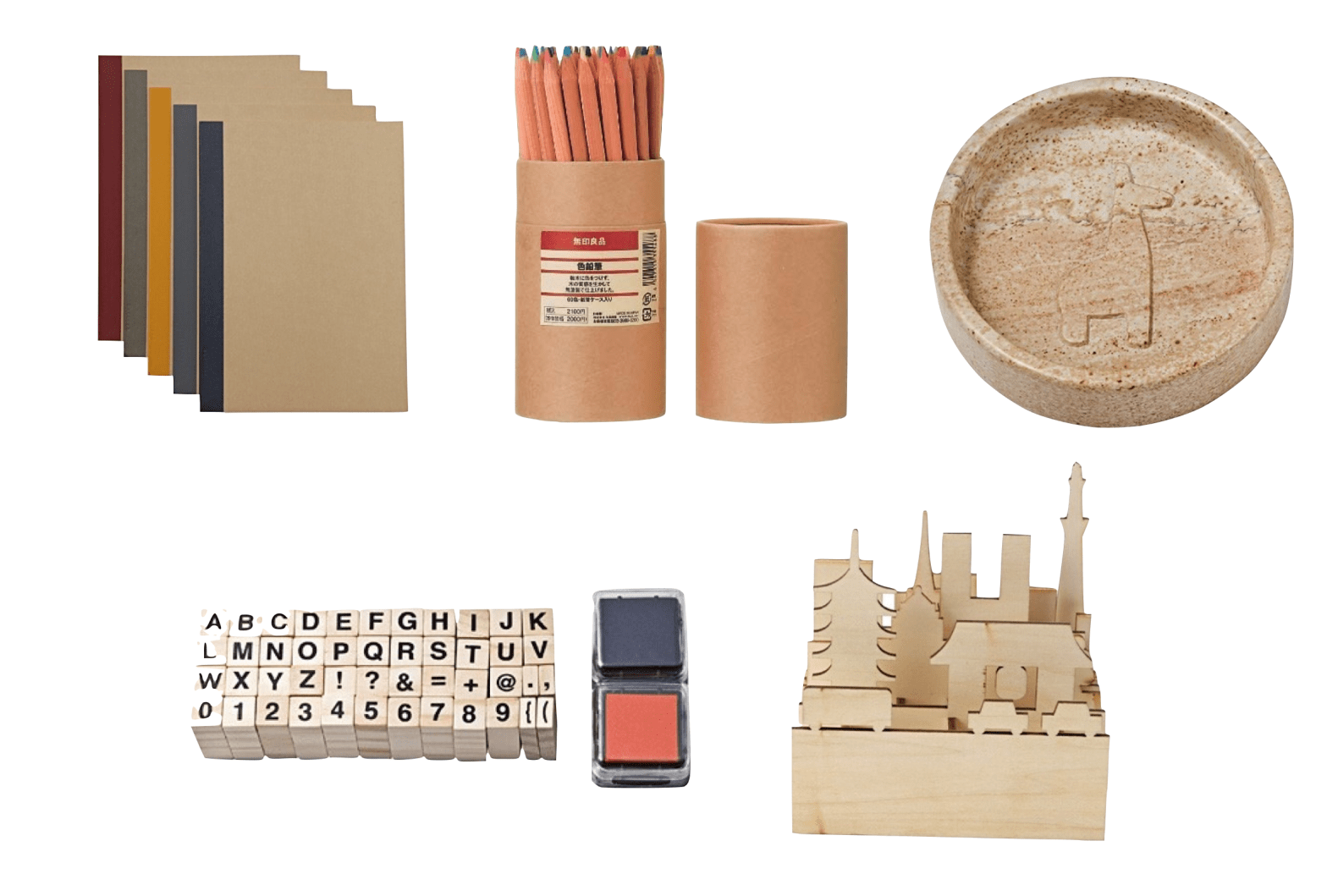
I’m a programme coordinator for The Letterbox Club, Book Trust’s postal programme for children in care. Every year from May to October, we send six parcels full of specially chosen books, stationary, and maths games to children registered for Letterbox Club. I also interview authors for the Book Trust website and help out with projects like YALC.

How did you get started working with Book Trust? Did you do any work experience?

I moved to London from Hong Kong because I wanted to get a job in books, ideally at a literacy charity. I spent four long months applying for any and every book or publishing related job that I was marginally qualified for…and getting a lot of rejections!

I found my first role at Book Trust through a publishing recruitment company. It was originally a 3 month role for one project, and when that project came to an end, Book Trust offered me a position with The Letterbox Club team! Prior to working at Book Trust I had a very different job, I was Director of Sales for a company that helped hotels manage their online reputation. But even while I was doing that job full time, I always made sure to be volunteering or interning with a book related organisation so I could have relevant experience on my CV.

 You’re also a writer yourself (with the same editor and agent as me! Hurray!). Does this affect your ‘day job’ and vice versa?

Our agent and editor clearly have excellent taste 🙂

I have to be really good at managing my time—especially when I’m on deadline! I try and write every day, usually in the evenings.

I’m lucky because I get to see a different side of publishing. With my Book Trust hat on, I mostly work with publicists and special sales directors, and with my writing hat on, so far I’ve mostly worked with my wonderful editor! It is really great to see how excited a sales director gets when one of their books is selected for a programme.

 What’s your favourite part of your job?

Definitely getting feedback from the children in Letterbox Club. It is so wonderful when they send a postcard letting us know that they loved the books that they received, or when a carer or local authority emails us to let us know that the books are really making a difference. And I love when I get to work with authors, whether that is working with an author to get additional content for the parcels, or interviewing an author for the main Book Trust site.

What do you hope to see happen in Children’s publishing in the future?

More diversity! Yes, we need diverse books, and I do think that there has been a lot of progress in this area, especially in UKYA, but we also need diverse creators and diverse publishers.

What are some of your favourite children’s books now and from your childhood?

18131A Wrinkle in Time by Madeline L’Engle is one of my all-time favourites. More recent favourites include Daughter of Smoke and Bone by Laini Taylor, The Raven Boys series by Maggie Steifvater,  Six of Crows by Leigh Bardugo, Wolf Wilder by Katherine Rundell, Clockwork Sparrow by Katherine Woodfine, and the Murder Most Unladylike series by Robin Stevens. And Harry Potter, of course. And I love Cerrie Burnell’s picture books. And anything by Frances Hardinge…this is too hard!

And there is this awesome book called The Next Together…you might have heard of it 🙂

 What are you proudest of in your career?

In my writing career, signing with Claire Wilson, who was my dream literary agent, is my proudest moment so far!

At Book Trust, it has to be a tie between working with Katherine Woodfine on YALC this year and whenever I get a chance to meet some of the children who receive Letterbox Club parcels and see how much the parcels mean to them.

What advice do you have for anyone looking to get into publishing?

Be persistent! The most important thing is to get your foot in the door, even if it is a short-term contract or in a department you aren’t super interested in, you never know what other opportunities can come from it. And don’t be scared to put yourself out there! Reach out to people you admire and ask if you can take them to coffee to find out how they got to where they are.

And don’t get discouraged! You’ll get there!

As someone who has lived in many (MANY) countries, what do you think in particular is unique about the UK publishing industry and UKYA?

UKYA is so welcoming and friendly! I remember being really nervous when I went to my first event, especially before I had an agent. I wasn’t an author or a blogger…I was just there as a reader who wanted to meet other people who liked books…and everyone was SO nice.  It really feels like such a community, but not an exclusive one, a really welcoming one. It is a wonderful thing to be a part of!


katieKatherine Webber is originally from California but currently lives in London. She spent four years living in Hong Kong and has also lived in Atlanta, GA and Hawaii.

She loves an adventure, whether it is found in a book or in real life. Travel, books, and eating out are her favourite indulgences.

Her debut YA novel, WING JONES, will be published in January 2017 by Walker Books in the UK and Delacorte/Random House in the US.

You can follow her on twitter at @kwebberwrites or her website.

September favourites | Sense8 | Muji |Neopolitan Novels | Mad Max

Previously: April | May | June | July | August

It’s October! Enjoy this final selection of non-autumn/PSL/hallowe’en related things before I inevitably fall for the Fall hype of tumblr this month.

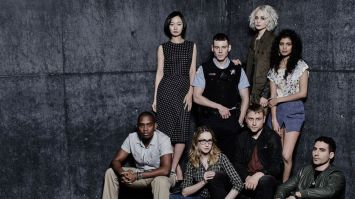
TV Series – Sense8Sense8

My friend Alice introduced me to this, and I watched the whole series in about two days. Honestly,  if you asked me, I couldn’t really tell you what happened. The plot is kind of an excuse to learn more about the 8 characters – even the sci-fi hook, of them being connected mentally in some mysterious way, is basically a sideline to exploring their lives. They are hugely diverse in every way, and all of them are lovely. Some are funny, some are terribly tragic, some are brutally cool. I want to be all of them. I can’t wait for more.

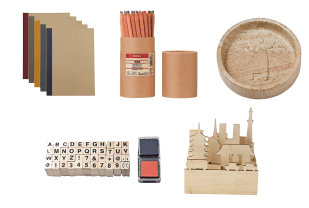
Shop – Muji

Screen-Shot-2014-05-16-at-9.30.13-AMI’ve wandered around Muji a few times, and it was only very recently that the shop clicked for me. It’s a chain of Japanese shops which have the neatest little Things – like storage boxes, notebooks, stationery, make up and other stuff with slightly more mysterious purposes. It’s all very simple and plain and well made.

I use their cardboard storage boxes for manuscripts of novels, and I love their erasable gel pens (ERASABLE! GEL! PENS!). I have my eye on the storage drawers next for make up stuff.

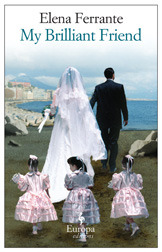
Book – My Brilliant Friend by Elena FerranteLayout 1

Ignore this truly terrible cover. This shit is the BOMB. If you’ve been reading a lot of YA recently, and you’re looking for a good Adult Literature series to sink your teeth into, this is a great one to go for. It’s about two girls from a very poor district of Naples in Italy, and the four books cover their lives and friendship in minute, incredibly attentive detail. I’m halfway through book three and they are still both eighteen. So it’s basically like YA for grown ups (or teenagers! You’ll like it too!).

The girls don’t realise they live in poverty, and they slowly come to terms with that, and fight against their upbringing to succeed in life, in whatever evolving way they define that. Often their only driving motivation is to compete against each other, and they are alternately each other’s only support and cruellest adversary. It’s fascinating reading, and I don’t think you can read the books without getting slightly obsessed with Lila and Lenu. Honestly, I could read about them forever.

mad_max_fury_road_wallpaper_1920x1080_by_sachso74-d8r49ti
Tom Hardy being demoted to Charlize Theron’s sidekick in his OWN FILM gives me life.

Film: Mad Max: Fury Road
Okay, I didn’t really understand a lot of this film. Like . . . you just have to sit back and enjoy it. I would enjoy more ‘diesel-punk’ in my fiction though, I know that much (especially the feminist kind).

To be watched with an enormous pint glass of ice cold water, because it’ll make you thirsty.

Object: THE COOLEST BOWL EVER

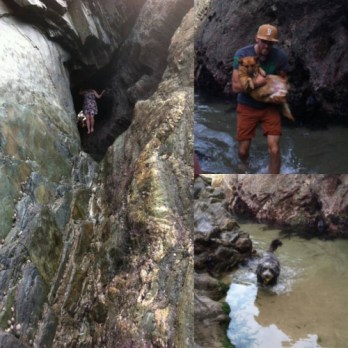
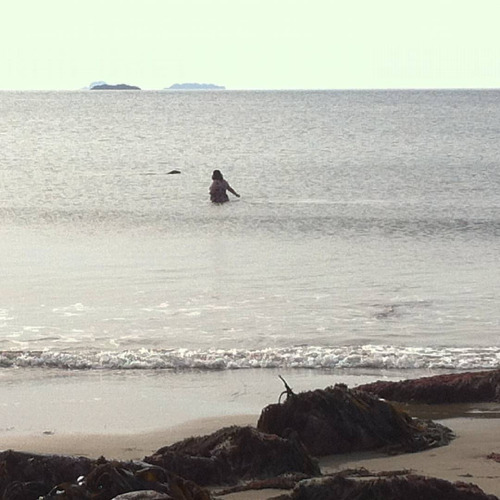
I just got back from holiday in South Wales, where I did such things as SWIM WITH A WILD SEAL and CARRY DOGS THROUGH CAVES.

tumblr_nvg5u0z86k1qa24muo1_500
I know it LOOKS like I’m not the one carrying a dog in this photoset, but that’s a trick of the camera. I definitely did the carrying at least 101% of the time, alright?
tumblr_nvg49mJAF31qa24muo1_500
That black shape is LITERALLY A WILD SEAL. The other black shape is me. WE WERE RIGHT! NEXT! TO! EACH! OTHER!!!!

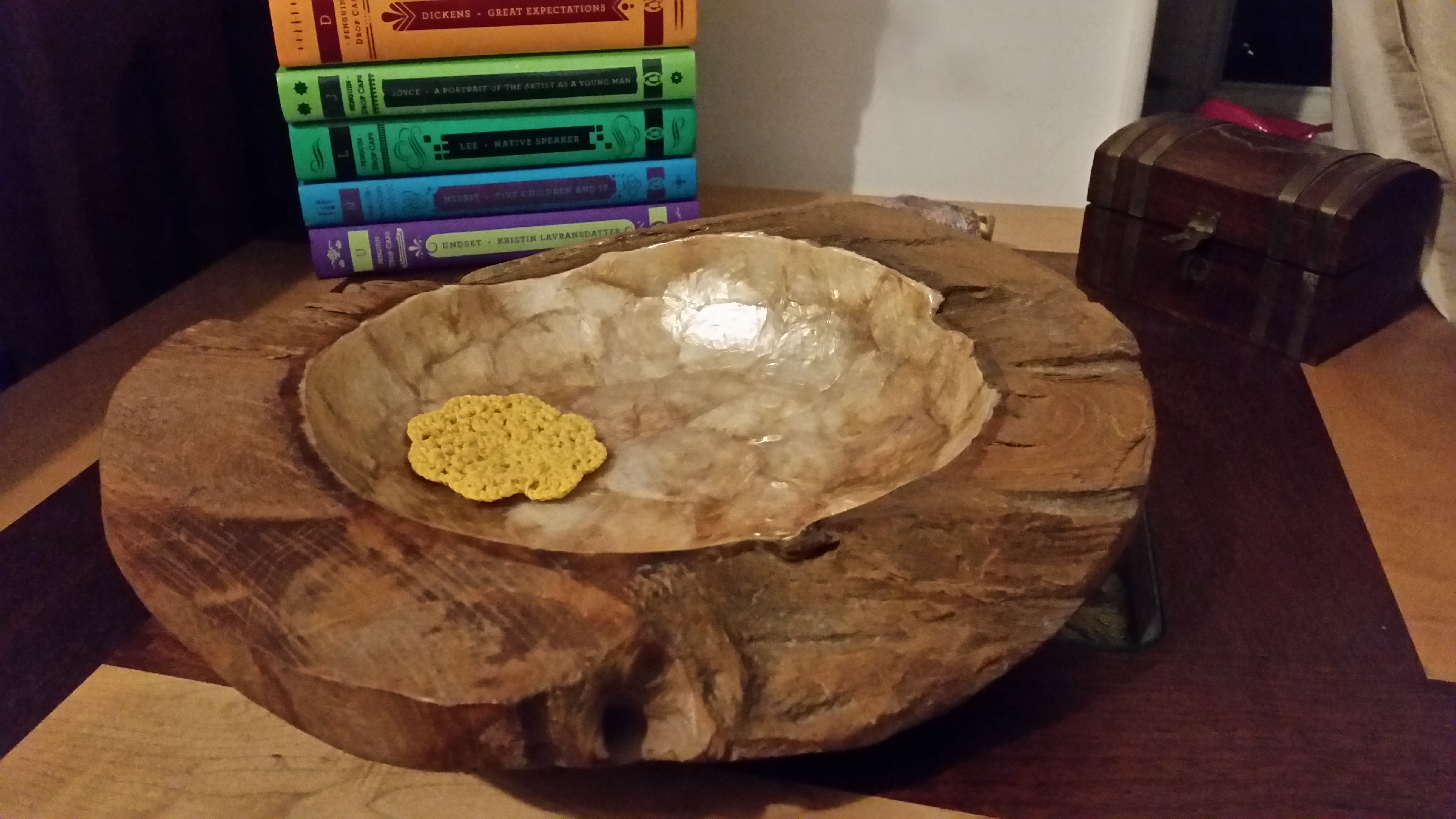
I also bought what I’ve officially labelled ‘the coolest bowl ever’ in a little harbour village shop.

20151007_221358
I’m very into the ‘did I make this myself? YOU’LL NEVER KNOW’ aesthetic.

The village is now my #1 Life Goal House Ownership Location of Choice (not even kidding a little bit; did I mention the SEALS?). I’m going to support my future home by linking you to the shop’s website. They post items, so definitely get a wooden pirate if you’re into that.

Technology: Samsung Galaxy S5

I got a new phone! It’s amazing! There’s not much else to say about this, except I’m enjoying the experience of webpages being able to load before I fall asleep!

Music: Fall Out Boytumblr_nvtpm6ilZr1qa24muo1_500

I went to see them live yesterday! They were very good. They didn’t play my favourite song though, which is this one.

Writing the dreaded Second Novel

My next novel, THE LAST BEGINNING, is a sequel to THE NEXT TOGETHER, and comes out in Autumn 2016.  I never even knew that THE NEXT TOGETHER would have a sequel until I wrote the last chapter. Then I suddenly realised that there was this whole other story I hadn’t told. I couldn’t bear to give up Kate and Matt.

Writing a second novel was a completely different process to my first. I wrote THE NEXT TOGETHER for me, because I couldn’t find the book I really wanted to read. I never thought about who else would read it. It was full of inside jokes to myself and silly asides that no one else would care about.

I wrote THE LAST BEGINNING knowing that not only would other people read it, but that it was definitely going to be published. That made it so much harder.

I was hit with Second Book Syndrome. I doubted myself. I had to stop myself from not putting things in because I was too busy thinking about what people reading them would think.

Plus, I used all of my best jokes in the first book. I threw everything I had – a lifetime of experiences and ideas – at THE NEXT TOGETHER. For a while, I was a bit stuck.

I got over that in the end – and I think my own self-doubt makes me a better writer. I’d be terrible if I was blithely confident in everything I wrote!

In every book, I find the first 20,000 words the hardest. That can take me almost as long to write as the rest combined. I’ll write and rewrite that about 3 times before I’ll carry on. Getting the beginning right the first time will save a lot of rewriting, I’ve found.

But when I eventually, finally wrote the first draft…. It was so much better that THE NEXT TOGETHER, from the beginning. THE NEXT TOGETHER was the first novel I ever wrote, I was learning how to write at the same time as editing it for publication.

It was a huge learning curve. I was only just figuring out the basics. The edits were huge and endless and I was making stupid mistakes, and writing lots and lots that was immediately deleted because I didn’t know what I was doing.

The second time around, I understood so much more about the plot structures of books. I saved so much time by making sure I knew what the novel’s structure would be from the beginning, before I started writing. That saved me a lot of editing time.

However, I’m still in the midst of editing, so I may be saying this a little early…. I’ll update you in a few months!

I do struggle with comparing the rough draft of THE LAST BEGINNING to the polished final version of THE NEXT TOGETHER. At times it feels like I’d gone backwards because it’s so bad in comparison. But I have to remember how much editing that has had. So. Much. Editing.

And one day,  hopefully very soon, THE LAST BEGINNING will be just as polished and prettied up and ready for people to read. Fingers crossed.

[dives back into edits]

Behind the Book: Translators Franca Fritz and Heinrich Koop

More in this series: Agent | Ghostwriter | Editor | Library Assistant  | Publicity Assistant | Typesetter | Cover Designer | Foreign Rights Manager | Blogger |Scout |Translators | Book charity | Copyeditor

I have a very exciting interview this week! I’m talking to two of the foreign translators of The Next Together! Franca and Hein are a married couple who work together to translate texts into German for publication. As they are currently working hard to turn all of my ‘that’s what she said’ jokes into something that makes sense auf deutsch – which is definitely a formidable task – I knew I had to ask them how they do it!


What does your job involve?

Our job involves reading, translating and localising all sorts of texts – e.g. marketing letters, manuals, non-fiction and fiction – from a source language into a target language, in our case English and Dutch into our mother tongue German.

(Never the other way round, because English and Dutch are not our native languages and we will not be able to translate a German text into a foreign language as good as a native speaker of English or Dutch).

By the way: Our sincere apologies for all language mistakes and typos we are going to make while answering these questions.

How did you get started in translation? Did you do any work experience?

We started translating while still studying foreign languages at the University of Cologne: We did some test translations for a publishing house in Cologne. They were happy with our work and gave us our first contracts. Our translating work evolved from there and let to setting up our translation agency in 1988.

How does working in a team with another translator affect your work?

Since we are not only partners in business but also a married couple we have to be very careful while discussing translation issues. A »fight« over the question where to put a comma (and where not!) can easily run out of hand and affect the evening at home …

On the plus side: you have always someone to review a text and to re-enact love scenes 😉

How do you approach translating things that are specific to a certain language – like idioms, jokes and metaphors?

We intend to »rescue« as much as possible, but some jokes – especially puns and play on words – just don’t work in another language. So we try we build in these kind of specific aspects at other parts of the text, so that in the end the »sum« of idioms, jokes and metaphors is still the same.

Would different translators approach translating a text in unique ways? How do you think that this changes the finished work?

Give a text to 10 translators and you’ll get 10 different translations – especially since German lends itself to a quite flexible sentence construction. But they all strive to stay true to the original as much as possible!

How has the experience been of translating The Next Together so far? How do you approach translating the epistolary elements of the book?

The Next Together is quite demanding to translate, because you’ll find three (or four) different periods of time – 1745, 1854 and 2019/2039 – and they all require an appropriate style of speech. So we have to jump between an »old fashioned« way of talking and a very modern way of expressing oneself including internet slang and abbreviations.

Is there anything you would like to see happen more in the future of the publishing industry?

Well, we can’t speak for the publishing industry in general, but for translators a closer working relationship with living authors (obviously) would help a lot. And a bit more recognition for translators and their work couldn’t hurt either 😉

What are some of your favourite translated books? Are there any books you’d love to see translated which haven’t been?

That is really hard to say. Of course all books we have translated during the last twenty odd years are our »babies« and we love them all.
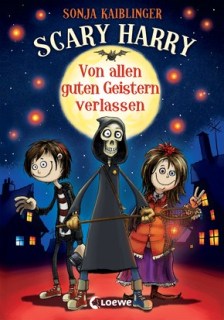
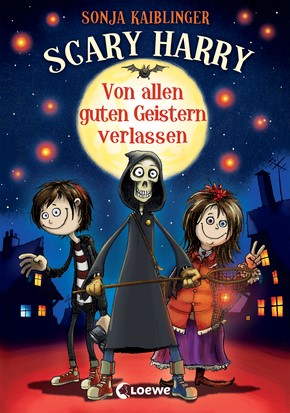
harry
And we would love to see an English translation of a new series of children’s book by German writer Sonja Kaiblinger: »Scary Harry«.

It is about a Grim Reaper (Harold who is fed up with his job) and his young friends Otto and Emily (and their pet bat named Vincent) solving all sorts of mysteries, e.g. who kidnapped the ghosts which were living in Otto’s house? The story and characters are really funny and cute and not at all creepy!

What advice do you have for anyone looking to get into translation?

Of course you should have a passion for foreign languages (and the culture of other countries and all other aspects of daily life there), but much more important is a love for your own mother tongue. A lot of people tend to forget: It is not enough to be rather good at a foreign language, you need to have a solid foundation in your own tongue in order to be able to translate all kind of texts and stay true to different styles.

Has being involved in publishing changed how you read books for pleasure? Which language do you prefer to read in?

Since we read a lot for our work, reading books for pleasure has changed for us: First of all we need to find time to squeeze in any reading that is not work related. And secondly it is hard not to think about the question whether the book might lend itself for translation. We are always on the lookout for new exciting manuscripts.

There isn’t any language we prefer to read in. If we do speak the language we prefer to read the original. If we pick a book which has been written in a language we can not make sense of we take the German translation. For us it is the easiest way to get to know the content and to get an impression of the style of the author (hopefully).


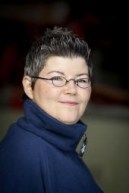
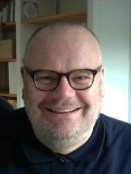
francaFheinranca Fritz and Heinrich Koop have been translating for more than 25 years. They have translated in excess of 200 books as well as working for several well-known German and international clients from a wide range of sectors. They live in a small village on the Isle of Man. You can find them on their website at: www.linguafranca.im

The German edition of The Next Together will be published by Loewe Verlag in 2016.

Behind the Book: Scout Natasha Farrant

More in this series: Agent | Ghostwriter | Editor | Library Assistant  | Publicity Assistant | Typesetter | Cover Designer | Foreign Rights Manager | Blogger |Scout |Translators | Book charity | Copyeditor

Today I’m interviewing a scout and author, Natasha Farrant. Scouts always seem very mysterious to me, and the most likely people to really, secretly be spies….so I’m really excited to learn more about it!


What does your job involve?

The buying and selling of translation rights is a crucial part of the publishing business, and books originating in the English language continue to dominate bestseller lists worldwide. I am employed by overseas publishing companies to keep them up to date with all that is going on in children’s publishing in the UK, and to a lesser extent in the rest of the English speaking world.

On a day to day basis, I am liaising with agents and publishers, face to face, by email or on the phone.  I mainly want to hear about new submissions and books that aren’t published yet, but my clients also need to know about what is selling well (and what isn’t selling) and emerging trends.  They want early access to manuscripts and advice on the big books that are being hyped, but they also want advice on which of the thousands of submissions they receive each year they need to prioritise. I also organise their business trips to London and New York, I help them in negotiations if they need me to, I introduce them to other like-minded professionals wherever I can.  Children’s publishing worldwide is a vibrant, wonderful network. It’s my job to make sure my clients are a part of that conversation.

How did you get started as a scout?

downloadI was the Rights Manager at HarperCollins for about eight years before becoming a scout. Then one of the publishers I used to sell books to – Hachette Livre in France – asked me how I would like to be “their woman in London”.  Over the years I have added clients from different countries, and I now work with publishers all over the world.

You’re also a published author yourself. How does writing fiction affect your work as a scout, and vice versa?

The book market is really tough at the moment all round the world, and my clients are looking for books that will SELL.  So I have to constantly be assessing stories for their commercial rather than their literary merit.  Sometimes the two happily coincide.  Often they don’t, and as an author, I musn’t let this grate. Over the years, I have learned to compartmentalize: a scout’s job is to assess the commercial viability and literary merit of a manuscript.   A writer should write the book that demands to be written, and make it as good as he or she possibly can.

What’s your favourite part of your job?

The people I meet – wonderful publishers from around the world, who are all passionate about their work.

Do you get to travel much for your job?

bologna-children-book-fair-logoI go to New York every September to meet with American publishers and agents, to Frankfurt and Bologna book fairs once a year, to Paris regularly to meet with Hachette and  I’ve been to Hamburg a couple of times to meet with my German clients, Carlsen.  It’s a hard life!


What do you hope to see happen in Children’s publishing in the future?

I would like to see a revitalized high street with more specialist booksellers, a fresh injection of cash into schools specifically for the compulsory provision of school libraries. With more outlets for their books, perhaps publishers would be less afraid of taking risks on new writers.

 What are some of your favourite children’s books now and from your childhood?

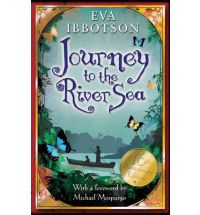
Journey-to-the-River-Sea-by-Eva-IbbotsonI love everything ever written by Eva Ibbotson and secretly (well, not so secretly anymore!) want to write like her. As a child, I read everything I could lay my hands on, from Blyton to CS Lewis, but I particularly enjoyed American writers like Walter Farley, Laura Ingalls Wilder and Mary O’Hara.

 What are you proudest of in your career?

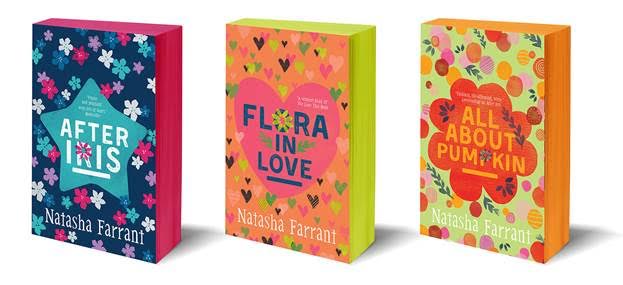
As an author, writing AFTER IRIS. As a scout, building a vibrant network of international publishers.

Has being involved in publishing changed how you read books for pleasure?

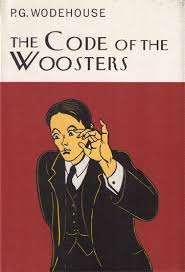
imagesWhen I read for pleasure, I almost perversely seek out books that are the opposite of what I do for work and what is being published today.  This summer I read Jane Austen’s EMMA and several historical biographies by Stefan Zweig. I also love PG Wodehouse and French detective novels.

What advice do you have for anyone looking to get into publishing?

I would say think very carefully about what you are getting into.  If you are passionate about books, the realities of publishing are sobering.  If like me you can’t imagine yourself working with anything other than books, don’t fixate on editorial:  there are other wonderful jobs – publicity, sales, marketing, rights. Be prepared to do the most mundane tasks at first: publishing is one of those industries where you’re expected to learn on the job, whatever degrees you may hold.  I started as a 5 week temporary secretary . I was a lousy secretary – I lied about every single one of my skills to get the job – but they must have liked me, because they extended it to three months, and then full time.


Natasha is the author of THE THINGS WE DID FOR LOVE and the Bluebell Gadsby books, all published by Faber and Faber.  Visit her website www.natashafarrant.com, or follow her on Twitter at @NatashaFarrant1.

unnamed

Behind the Book: Blogger Lucy Powrie

More in this series: Agent | Ghostwriter | Editor | Library Assistant  | Publicity Assistant | Typesetter | Cover Designer | Foreign Rights Manager | Blogger |Scout |Translators | Book charity | Copyeditor

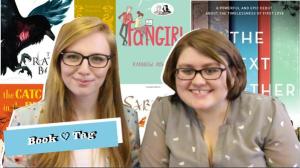
I have an extra special interview today, with the infamous Queen of Contemporary, Lucy “the Reader” Powrie! Lucy is a blogger and vlogger, and is a force to be reckoned with in the UKYA community, having kickstarted many, many incredibly successful campaigns such as Project UKYA, UKYA day and #UKYAChat– she’s definitely earned the title of queen!

Apart from that she’s a really lovely, sweet person – I’ve filmed a couple of videos with her and had the best time ever. I’m going to be the guest author in tonight’s #UKYAChat on twitter, starting at 8pm. We’ll be discussing what the definition of YA really is, so don’t miss out on that!

Onto the interview….


How did you get started in blogging?

jjjI was 12 when I first started my blog and the community was a lot smaller then so it was easier to get started: there wasn’t so much pressure to have super high numbers immediately, and it wasn’t too well-known. I sat down, made my blog on Blogger (I now use WordPress), and made a cringe-worthy first post. The rest is history!

 Does vlogging vary from blogging in content and audience? Which do you prefer?

lkjlkjMy enjoyment of both varies from one month to the next. My creative process is pretty similar with both. I’ll have an idea and then I work out if it will work better as a blog post or a video. After that I procrastinate a bit too much, and then I’ll get to work on transferring the idea from my brain to the Internet. I think my audiences are different – some people read my blog but don’t watch my videos, and vice versa. That being said, I’m sure there are people who read and watch both, and some who only follow me on Twitter but don’t read my blog or watch my videos.

CIk9MHQW8AE9Yx6
A video Lucy filmed with Lauren (click to watch)

 What’s your favourite thing about blogging?

Getting to meet lots of lovely people who then become friends! I’ve met so many people (including you, Lauren!) who I have lots in common with and it’s lovely to get to meet everybody in the flesh at events and gatherings. I’ve been able to get to know some of my favourite people in the world, and also figure out what I want to do later on in life. I’ll forever be grateful for that!

 What causes do you feel most strongly about supporting with your blogging?

kl;l
Click to watch!

I’ve recently started a new series on my YouTube channel where I talk about topics relating to feminism. I’ve been discussing menstruation, what it means to be a woman on the Internet, and giving feminist book recommendations. Feminism is something that I feel very strongly about, and I like to think I have something different to say from many other people on the Internet, as I’m a teenager. It’s important to me that I speak honestly about the things I’m most passionate about!

You recently did some work experience in a bookshop! How did you find it? How did you go about asking to work there?

I LOVED it! It was amazing to be surrounded by books for the week and I learnt so much. I got to unbox the books each day and put them out on the shelves, speak to a sales rep from a publishing company, and serve the customers. It definitely gave me a greater appreciation of books! I was lucky as they don’t usually take work experience students, but I mentioned my blog and that I would like to work in publishing in the future, and they were happy to take me.

 You’re also a writer yourself, and a very good one, from the tidbits I’ve read! How does this effect your blogging? (And can you give us any details of what you’re working on at the moment?)

 Writing, unfortunately, always comes last in my list of priorities. Whilst I love writing, my blog and YouTube channel need constant work, so I find it hard to find the time to write. I am currently working on a novel that deals with mental health and alcohol abuse, but I’m not very far into it at the moment. Hopefully I’ll finish it one day! Maybe for NaNoWriMo this year?

 What are some of your favourite children’s books now and from your childhood?

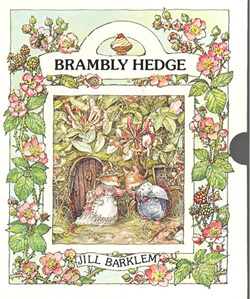
430616_homepageI grew up reading the likes of Beatrix Potter and the Brambly Hedge books (which I re-read this year!) – I’m an animal lover, so anything that has amazing illustrations and talking animals is a big hit with me. The first YA books I read were Meg Cabot’s The Princess Diaries series, and recently I read the 11th book and I love them just as much now as I did then.

 Has blogging changed your reading habits? Does engaging more critically with literature increase the enjoyment you get from reading?

I read far more widely now than I ever did before. Before I started blogging, I would re-read the same books over and over again, whereas now I spend more time reading books that are new to me. I don’t think I read particularly critically – in my reviews, I like to touch upon my enjoyment of a book instead of analysing it to death and sucking out each individual thought I had about the book. I like to treat my blog as a journal, so my reviews are my thoughts at the time of writing or filming them.

 You recently made a very interesting video about vlogging called ‘Be the change you want to see’. What do you hope to see happen in Children’s publishing in the future?

 Can I say me in it? 😉 It’s my dream to one day work in publishing! On a more serious note, I’d like to see publishers take more notice of their backlist because there’s a huge potential to use social media to publicise the wealth of books that have been published in previous months and years. This is one of the jobs that bloggers and booktubers do best, so I’d like to see publishers taking notice of this too. There’s also a very big need for children’s books and YA to be featured and reviewed in the media. This is definitely something that needs to be worked on!

As a huge supporter of UKYA, what do you think in particular is unique about the UK publishing industry and UKYA?

The amazing, unique thing about UKYA readers and the UK publishing industry is that we’re all one big, friendly community. We don’t have any ulterior motives; we get along well and talk about the books we love the most. One of the loveliest things is that it’s still growing! I feel very lucky to be a part of it.


Lucy Powrie is the teenage blogger behind Queen of Contemporary, based in Bath, England. Since her blog’s creation in April 2012, she has won the UKYABA Champion of YA award, and spoken at both the Cheltenham Literature Festival and Oxford Literature Festival. She grew up reading the likes of Bob the Builder and Beatrix Potter and has since advanced to reading young adult fiction. Lucy is the creator and host of #ukyachat, which runs weekly on Twitter.

You can find her on youtube, twitter @lucythereader or her website.

August favourites! Halsey | Wicked | Sorcerer to the Crown | Wagamama | GBBO

Previously: April | May | June | July

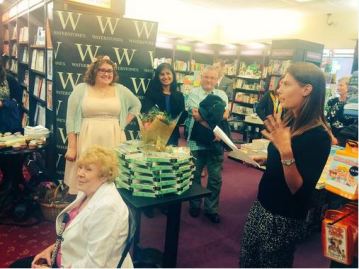
I’ve now been an officially published author for ten whole days, which is pretty great. I had a launch and did a few events and ate a lot of cake and drank a lot of sparkling beverages.

rgfssda
My editor Annalie saying very nice things about me.

I also read and watched and listened to some pretty cool stuff! Let me tell you about it.

Music: Halsey

Her album Badlands was my July favourite, but seeing as I went to see her live this month, I’m including her again. I mean . . . she’s too great not to be a double fave, right? RIGHT?

Also you should listen to this remix of her song Hurricane with the sound of rain, because it’s A+++++.

tumblr_nuha7xr5U61qa24muo1_500
I wish to be at a Halsey concert every single night forever. Make this happen, universe.

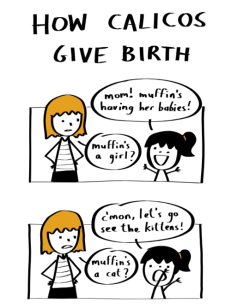
Comic: How calicos give birth by smilingribstumblr_nujdonOyPA1uam688o1_500

Be good to yourself and go and read this comic. It’s worth it, I promise.

(Close runner-up: this comic interpretation of ‘Eleanor Rigby’ by The Beatles.)

Musical: Wicked

I went to see Wicked the day before my book came out, as a kind of pre-emptive attempt to avoid disappearing into a void of stress and panic. It worked pretty well! The show was fun, and Popular is the most sing-a-long-able song ever. I also ate a burrito, which was nice.

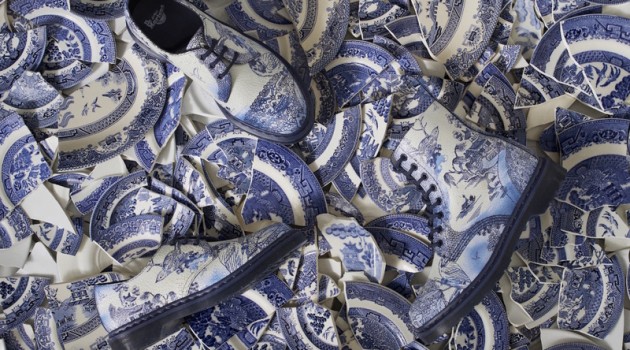
Shoes: Dr Martens Willow Collection shoes

Dr.-Martens-Willow-Collection-1-630x350
The perfect camouflage for next time you’re trying to hide from a bull in a china shop.

I mean, I don’t own this shoes personally. But I’d…..like to? So that counts. I’m not sure what outfit I’d match to these shoes, but I think I’m up to facing that challenge of shoe ownership.

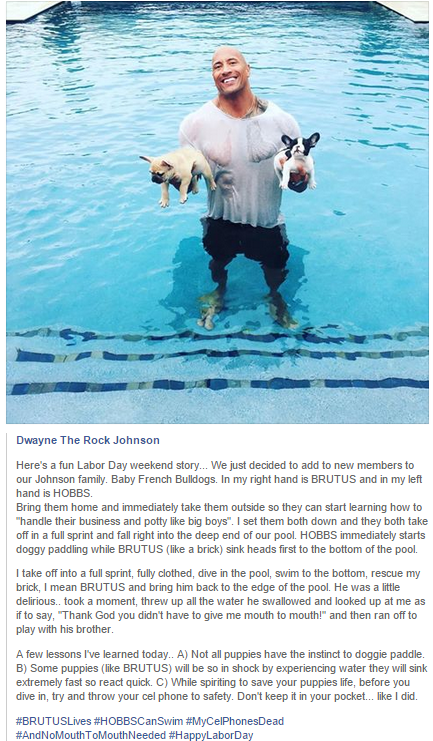
Dog: Dwayne “the Rock” Johnson’s French Bulldog puppy

Okay, I know this is extremely specific. It’s also going to be the best anecdote you hear today. This is taken from the Rock’s instagram (brought to my attention by my mum, who is the World’s Greatest Fan of Dwayne “the Rock” Johnson’s Social Media Presence.)

tumblr_nubzksmagT1s1zka4o1_500

Judging by his most recent posts, the brick is doing just fine now, but what a story. What a dog.

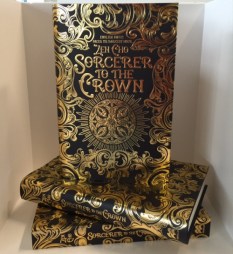
Book: Sorcerer to the Crown by Zen Cho

tumblr_ntcbdhq8eU1u352jho6_500
Picture by lizadawsonassociates

I would like to marry this book. No, I’m not kidding. This is the perfect mix of the magical regency London of Jonathan Strange and Mr Norrell, Georgette Heyer’s shamelessly trope-filled romances, and the charm and relationship dynamics of Sabriel. The whole book make me squirm with delight – from the UNICORNS to GIANT FURIOUS MERMAIDS to the CLOUD FLYING. Just – I want to tell you about every scene, because every scene is a delight.

Restaurant: Wagamama

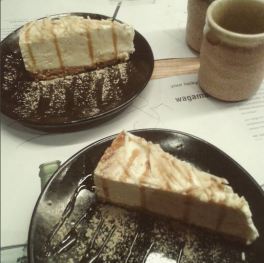
My friend Sarah is pretty into Wagamama (Her first blog post for this month was a dish-by-dish comparison of the Wagamama’s menu with various Decemberists albums. This is why she is my friend. Her blog is becoming so increasingly niche in an unexpected and delightful way, and I can’t wait to see where she takes us on this blogging adventure next.) and she introduced me to the joy that is Wagamama’s food. I’m a big fan, especially of their cheesecake and gyoza.

cheese
Picture by Sarah

Article: ‘Why I explore rape culture in my new book’ by Louise O’Neill

Louise is a good friend of mine, but also a completely brutal writer who I’m a little bit overwhelmed by. Asking For It came out last week, and I read it in one sitting. I’m so glad I did, because I’m not sure I’d have been able to pick it up again if I hadn’t. I can’t even imagine the emotion it will have taken to write it. So important and so terrible and real.

This article captures the point of the book completely, and is a much shorter read for anyone who is unsure of whether they can handle reading the novel itself.

TV Show: The Great British Bake Off

On to lighter things: the bake off! I. am. obsessed. Wednesdays can’t come fast enough.

I’m rooting for Tamal, not only because of this perfect explanation for one of his recipes, which made me choke with laughter.

“This is basically inspired by a sandwich I had a few years ago. One of the top two sandwiches of my life […] and I think about that sandwich quite a lot.”

You’ve got this, Tamal. You and your sandwich are going to win this thing.


In other news: In the last few weeks I’ve done a vlog interview and a few guest blog posts: Tips for writing a romance novel, What I would do with a time machine and Why Hermione Granger is my inspiration for female characters, and I spoke to YA Interrobang about creator-fandom interaction.

I’m also doing a couple of events which have now been announced: I’m the guest author at #UKYAChat on twitter this Friday 18th at 8pm. I’m doing a talk at Coventry Libraries on October 2nd, a panel at Waterstones Birmingham with Jenny Valentine and Jenny McLachlan on October 3rd and I’m appearing at UKYA Extravaganza in Nottingham on October 10th.

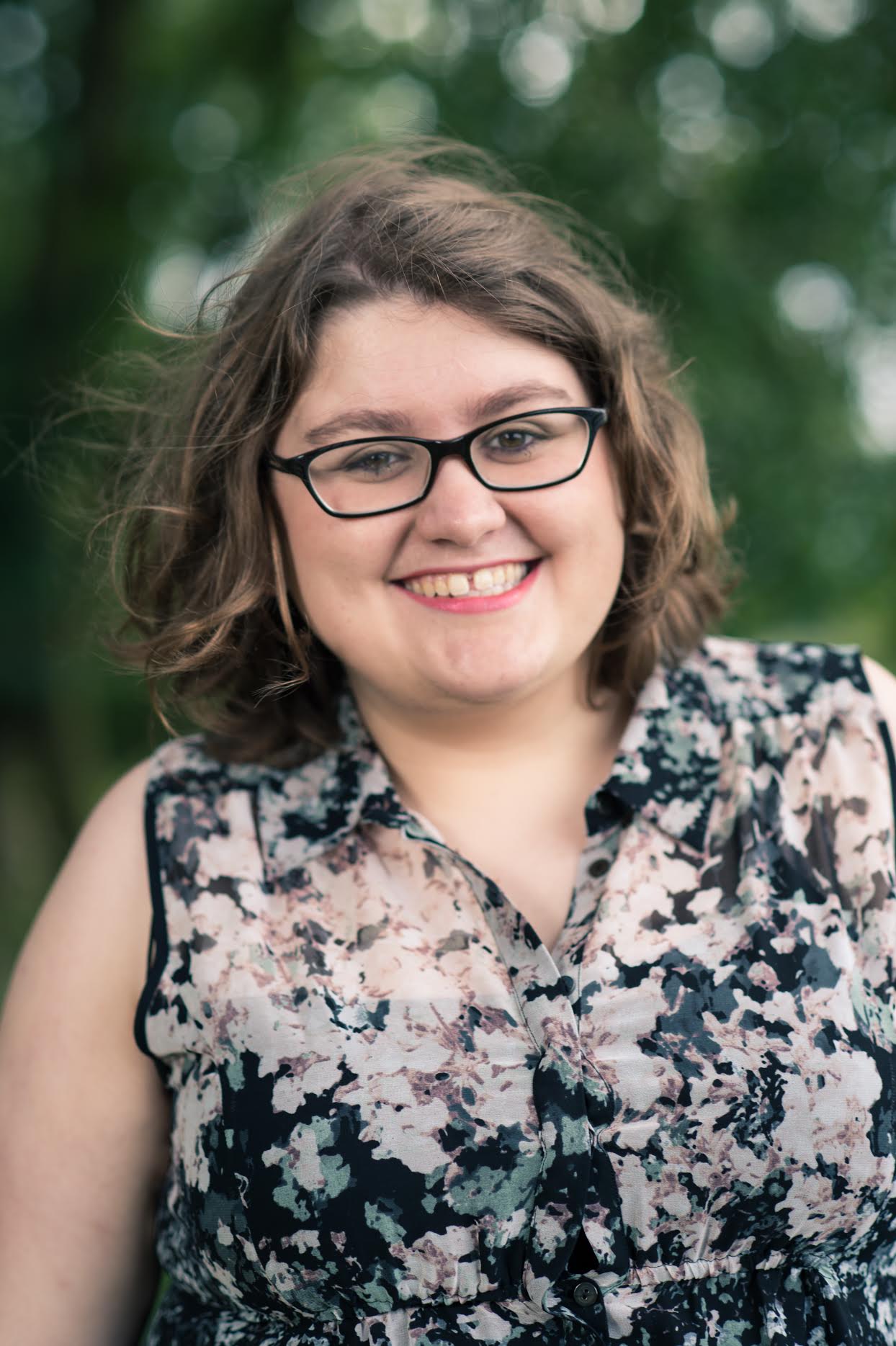
I was also photographed by a professional photographer, Pete Bedwell! Here’s some of the photos, because I am too pleased with them not to share. I will be using them as profile pictures for approximately…….the rest of my life. 😉

unnamed (1)unnamed (3)

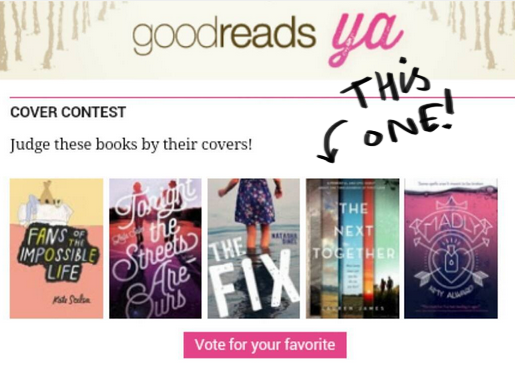
And finally….. the cover for The Next Together is currently winning Goodreads’ September cover contest by a 500 vote margin… AS IT SHOULD BE.

COnQKgiVAAAuw-Z

Behind the book: Foreign Rights Manager Claudia Medin

More in this series: Agent | Ghostwriter | Editor | Library Assistant  | Publicity Assistant | Typesetter | Cover Designer | Foreign Rights Manager | Blogger |Scout |Translators | Book charity | Copyeditor

I’m back today with another interview with a publishing industry professional. Claudia Medin works at my publishers, Walker Books, as a Foreign Rights Manager. English books are often translated into other languages so that they can be read around the world, and Claudia works with international publishers to try and make that happen! She has been doing an amazing job of sharing The Next Together with publishers around the world (more on that soon! 😉 ) and I’m so pleased she’s taken the time to talk to me about her work.


What does your job involve?

As a Foreign Rights Manager, I need to know our list, and I need to know our customers. The goal is to bring them together in order to close a deal and to make everyone happy: the author and illustrator and in-house editor in anticipation of a foreign language edition of their work, the foreign publishing house in adding an exciting title to their list, and a foreign readership to be able to choose exactly that book to read in their language.

fictionWe are constantly working on presentation material to share with our customers and once a customer has expressed sincere interest and we have negotiated the terms, the more bureaucratic process begins; we draft and sign a contract, issue an invoice, send out digital assets, and monitor royalty statements and payments. It can sometimes be a real challenge to find the right book for the right publisher and although the majority of submissions do not result in a sale, it’s rewarding when it happens.

How did you get started in Foreign Rights?

I studied different languages and was always asked where that would lead me to… I had heard about Foreign Rights during my studies, but it was difficult to get an internship, as people advised me to start in editorial and then move on to Foreign Rights – but I didn’t want to “steal” an internship from someone who really wanted to go into editorial.

I was very lucky in 2005 when I got a three months’ internship with a brilliant publisher in Germany. The Foreign Rights team there prepared me for everything coming, and encouraged me to stay on that path. I am still very grateful for that experience. I then got my first job right away with another fantastic German publisher, and even climbed up the ladder 2 years later, being Rights Director for 6 years, dealing with both book and merchandising rights. I joined Walker Books 2 years ago, going back to book rights only – and I couldn’t be happier about it!

 Have you ever wanted to write yourself?

No, never. I will stick to reading and selling rights, and leave the writing part to those who are good at it.

 What’s your favourite part of your job?41-+2lQhJiL._SX331_BO1,204,203,200_

There are probably three different things: getting an unexpected offer in, especially when you know that the customer fell in love with a particular book, receiving finished foreign language copies, and developing new sales strategies. These can be creative, subtle or bold. And it is so rewarding when it finally works out!

 Do you get to travel much for your job?

bologna-children-book-fair-logoYes, I do. There is not only the Bologna Children’s Book Fair in Spring and the Frankfurt Book Fair in Autumn, but also a number of business trips around the year. Book Fairs are hard work, with back-to-back 30-minute-meetings to see up to 50 customers in 3 to 4 days, plus all the preparation and follow-ups, but it is also great to see customers, colleagues and friends.

Visiting our customers in their offices gives us the chance to learn more about how they work, to get to know each other better, and to have more time to discuss the new titles. And it is always helpful to go to book shops in other countries and get a better idea of how the market works.

 What do you hope to see happen in Children’s publishing in the future?

topWell, what we are seeing is the growing interaction between books and digital content. I hope to see mutual support of those two, instead of digital technique taking over completely. If we share the pleasure of reading an actual book with young kids, it will hopefully spark their love for reading as well, no matter what the general reading behaviour will be like in the future.

Apart from this, if I am perfectly honest, I would hope for a reduced amount of new books to be published every year. The amount of new books being published is just rising and rising, and in my opinion it would do the market good if we could slow down a bit, for selected titles to blossom and flourish.

 What are some of your favourite children’s books now and from your childhood?

schnuepperle-macht-ferien-071937346My mother used to read to me and my brother every evening before bedtime. We grew up with a lot of Astrid Lindgren, but my favourite series was probably “Schnuepperle” by Barbara Bartos-Hoeppner (not translated into English, unfortunately) – I still own those books and read them from time to time. My family also kept our very first books, small format “Pixi” books about a dog and a fairy tale book. We chewed 30 % of the pages and they nearly fell apart, so it’s hardly readable anymore, but they are a family treasure.

 Are there big differences among the territories you work with?

pageYes there are! It starts with the topics of the books, as not all territories will embrace books on what they might consider to be more controversial subjects. We need to be aware of any cultural sensibilities and try to match the right book to the right customer. The international business approach and etiquette can be different too and it’s good to be aware of the various nuances, but ultimately the passion and enthusiasm for children’s books can bring us together and strengthen our global understanding.

 Has being involved in publishing changed how you read books for pleasure?

I’ve always been a keen reader and I wouldn’t want to live without books. I can spend hours in a good book shop, looking at new and old titles, carrying a pile of books to the till in the end, anticipating happy hours of reading. However, I have to admit that I only allow myself to read books for pleasure over the summer and at Christmas time, otherwise I wouldn’t be able to cope with the amount of books I need to read for work. Over the years I have become a very fast reader, and I try to slow down again when reading for pleasure.

 What advice do you have for anyone looking to get into publishing?

What I noticed over the years is that few people know about the different departments in a publishing house – most people know about editorial and marketing departments, but are not so familiar with the work of sales, export, production or foreign rights departments! Think about what strengths you have and what you’d really like to – and then find your path and follow it. It might not always be easy, especially in the beginning, but it is worth it – publishing, especially children’s book publishing is a fantastic area to work in!


Claudia Medin has worked in Foreign Rights in Germany and the UK for over a decade, and is now the Foreign Rights Manager for Walker Books.

A rebloggable version of this post can be found here.