I don’t consider myself a Harry Potter fan. That doesn’t mean that I don’t love the series – because I really, really do. But I started reading it when I was six; at this point Harry Potter has been in my life so long that it would be weird to call myself a ‘fan’. It would be like saying I’m a ‘fan’ of my mum and dad.
The Harry Potter series is just . . . part of me.
So when I started writing my first novel, it was understandably a big inspiration. I wanted to write something which exemplified all of the things which I love about Harry Potter (*cough Hermione Granger *cough*) – and improved on things which I don’t.
In particular, I wanted to make a character who people would love as much as my eternal love for Hermione.
Hermione is a brilliantly strong female character, who has been a role model for me from childhood. The phrase ‘strong female character’ is thrown around a lot as a selling point for books, in a “Read this novel, because it’s got an amazing strong female character!” kind of way.
However, ‘strong’ is easily misconstrued as ‘flawless’, ‘good at fighting’ and ‘unemotional’ when really it should just mean three-dimensional. Women don’t have to be strong to be valid. They just have to be realistic.
Real people aren’t perfect, but that doesn’t make them unlikeable. Harry and Ron love Hermione, not despite her flaws, but because of them. She’s annoying, bossy and condescending . . . and it’s incredible. She’s the perfect female role model, just by being herself.
When Hermione started SPEW, it was such a hugely defining moment for me. It was the first time I’d seen a female character working hard for something she strongly believed was wrong in the world, regardless of what people thought of her. It really established Hermione as one of my all time favourite female characters. The fact that she did all that as a very young teenager is even more impressive in retrospect.
I tried to make sure that my female character, Kate, is just as realistic as Hermione. She’s witty and brave, but at the same time she’s annoying, silly, exasperating and impulsive.
I love her for her imperfections more than her strengths, and I don’t think I would have realised that was possible if it hadn’t been for Hermione Granger.
I’ll always be grateful to Harry Potter – in fact, I even wrote a Harry Potter crossover fic where Hermione, Neville and Draco meet the characters of my book. But I’m never going to call myself a fan, because my Harry Potter feelings are too big to be encompassed in that tiny three letter word.
Before we begin, a disclaimer: I don’t really believe in writer’s block. I think that what we call ‘writer’s block’ is really just ‘thinking time’. Everyone needs to leave ideas to ‘ferment’, which can hold you back from writing for a little while. Sometimes writing isn’t always writing actual words on a page. Sometimes it’s just thinking really, really hard. Your brain needs time to develop concepts. Creativity isn’t something that can be forced.
For every book I’ve ever written, I’ve left a gap of sometimes up to a year between writing the first and second halves. Usually when I reach around 25,000 words into a book I lose all confidence I had in it. At that point I’ll lie in bed a lot and whine to anyone who’ll listen, and then I’ll do some of the following things, to try and get back on my feet.
Set yourself a writing target each day, based on how much you can write easily.
Even if it’s just a paragraph on the bus, it’ll all add up, and by the end of the week you’ll have a lot more words than writing nothing at all! If I’m struggling to get started I’ll write stream of consciousness nonsense until I remember how to write again, because I somehow seem to forget how to write every time I open Microsoft Word.
Set yourself rewards for writing.
I only let myself go on twitter or have a can of coke or read a book if I’ve written my wordcount target. Anything that can trick me into writing, basically!
Use writing exercises to kickstart your brain into writing.
I’ll try to write some scenes between the characters that aren’t relevant to the plot, just to get into their heads a bit – I like writing one hundred declarative sentences about them, like ‘Matthew loves his fountain pen’. It’s harder than it sounds! One tip I’ve heard works really well is to try and write a scene with two characters who hate each other kissing.
Talk it out.
I’ll give the manuscript to someone I trust to read it for me and give me feedback and constructive criticism. It always helps to talk things out, and you’ll probably know as soon as you try and explain your plot problem what the solution is. It has to be someone who you know is willing to give you negative feedback, because (although it sounds backwards) I find knowing exactly how bad something is makes me feel a lot better. If I know this and this and this is terrible, but the rest is fine, then I know I can fix it. I can feel confident about the bits that aren’t bad, because one person likes them – and the bits that are bad, I can probably manage to fix.
There are lots of online writing communities you could join and approach for feedback – as long as you’re willing to give some in return. There are people who say you shouldn’t share your writing until it’s finished, but I totally disagree. My biggest inspirations usually come from discussions about my book. Just don’t talk about it so much that your friends are bored of it…
Try writing something else!
If after all of that, you really, really can’t do it…. then maybe it’s not the right idea for you at the minute. Maybe come back to it in a few months. If I end up abandoning an idea, I don’t think of it as a waste – it’s all good practice. Even if you discard the plot, you can reuse the characters, so none of your character development is wasted.
I absolutely promise you, your writing isn’t bad – however much it feels that way. It’s frustrating seeing this huge colourful world in your head turn into feeble words on a page. But in someone else’s head those words will rebuild the world you first pictured, and making that happen is worth the pain of writing, even if it doesn’t feel that way right now.
It’s November! This week is the publication of The Next Together in Australia and my friend Alice Oseman’s e-novella This Winter! To celebrate, Alice and I are doing a giveaway of signed copies of our books . . . with a twist. Both books will be annotated by each other! The winner will receive a copy of Solitaire signed by Alice and annotated with notes by me, and a copy of The Next Together signed by me and annotated by Alice (with maybe a few drawings too…). You can enter the giveaway (which I want to win myself tbh…) by reblogging this tumblr post.
I didn’t know much about this series before I started it, but I was in the mood for some black humour after reading a lot of horror for Hallowe’en, so I gave it a go. And it’s so good!
I can’t even choose a favourite character because I just love the whole family so much. I’m really looking forward to finishing my edits on The Last Beginning so I can properly marathon the whole thing like it deserves.
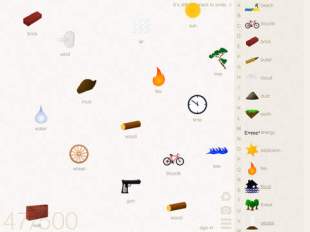
I’m mad into this app. It’s like minecraft, if minecraft was a 2D crafting game. It’s addictive and logical and great for long train journeys (of which I have many).
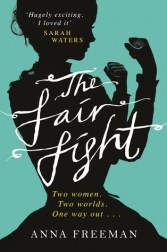
This comes blurbed by my fave Sarah Waters and recommended by my friend Charlie (who I interviewed here) so I was willing to read it based on that alone. But it’s also about female Victorian boxers! Add to that excellence a lot of diversity, drama, smallpox, vices and females manipulating men to get what they want, and it’s the best book I’ve read in ages.
Music: Of Monsters and Men
I’m going to see this band live next week, so I had to include them for that reason alone. I can’t wait to see what kind of crowd turns up for this lovely folk-y band. Listen to Organs, which is my song of the moment for book 4, which I’m writing soon (AS SOON AS I FINISH MY EDITS, PROMISE).
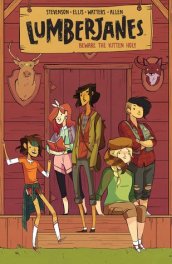
This is a super cute and whimsical comic about a group of girls at a camp where magical, evil things start happening. It’s very upbeat and modern and diverse and I’m in love in a big way. Volume 3 isn’t out until April and I’m SO READY.
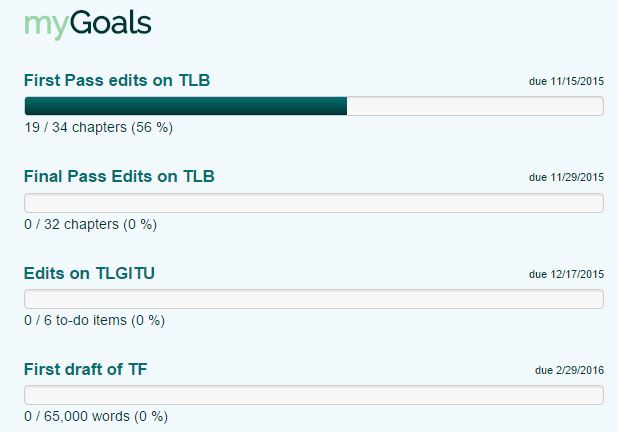
This is a website for writers, recommended to me by Ava Jae (who has basically the best writing blog ever, and her first book isn’t even out yet! That’s skills.) It lets you personalise goals for writing or editing, and since I started using this site, it’s become a vital part of my writing routine. It has a lot of the same features as the NaNoWriMo website, but it’s available all year long and has less pressure.
It helps me keep organised, stops me feeling overwhelmed or panicking about how little time I have left to do things. Here are my current goals. If you use it, you can add me as a friend here.
In other news: You can enter a raffle to win a signed copy of The Next Together and lots of other amazing prizes to raise money for the charity Mind here.
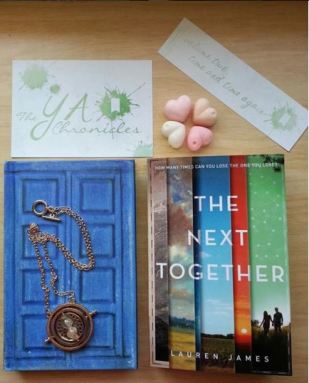
The Next Together was included in an Australian subscription box The YA Chronicles for the October theme of ‘time and time again’! It came with River Song’s journal, a time turner and some ‘timeless hearts’ bath melts and honestly it just looks incredible! I’m a little jealous!
📷: @bedazzledbybooks
Finally, good luck to everyone doing NaNoWriMo this month. The Next Together started out life as a nano, so if I can do it, you can too!
It’s Halloween! Obviously that means it’s time to share some of my favourite creepy books with you. Hopefully there are some here you haven’t heard of before, as well as some old favourites. (Includes links to both Goodreads and the Book Depository.)
A blackly comic tale about two children you would never want to meet.
Set in the Cornish town of Fowey, all is not as idyllic as the beautiful seaside town might seem. The body of a young woman is discovered in the nets of a fishing boat. It is established that the woman was murdered. Most are shocked and horrified. But there is somebody who is not – a twelve-year-old girl. She is delighted; she loves murders. Soon she is questioning the inhabitants of the town in her own personal investigation. But it is a bit boring on her own. Then Miles Giffard, a similarly odd twelve-year-old boy, arrives in Fowey with his mother, and they start investigating together. Oh, and also playing games that re-enact the murders. Just for fun, you understand…
A book about two twelve-year-olds that is definitely not for kids.
This is the only YA book on my list. I read it very recently, and it shot up to one of my favourite books of 2015. It’s intensely dark and horrifying in the funniest way, and the ending genuinely shocked me (which seeing as I guess most book endings – so much so that author friends have banned me from trying to guess what happens when I read their manuscripts – is saying a lot). If you’re a fan of Hannibal or Black Mirror you should definitely check this out.
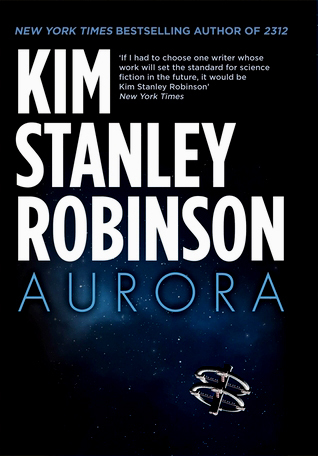
AURORA tells the incredible story of our first voyage beyond the solar system. Brilliantly imagined and beautifully told, it is the work of a writer at the height of his powers. Our voyage from Earth began generations ago. Now, we approach our destination. A new home. AURORA.
This isn’t actually a horror novel – it’s science fiction. But it’s so intensely creepy and unnerving, that it got deeper inside my head than any thriller could.
I highly recommend this for anyone curious about deep space travel – the stuff that comes after the journey. What happens to the descendent of the original voyagers, the ones who never chose to be in space at all?
The idea of being on a vulnerable spaceship trapped at the edge of the universe in orbit around a hostile planet, with nowhere to go and no way to talk to the rest of humanity, will freak me out forever.
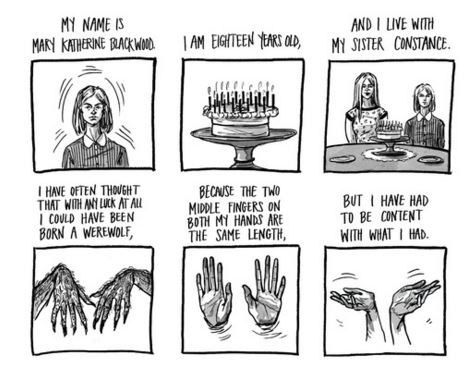
Merricat Blackwood lives on the family estate with her sister Constance and her uncle Julian. Not long ago there were seven Blackwoods—until a fatal dose of arsenic found its way into the sugar bowl one terrible night. Acquitted of the murders, Constance has returned home, where Merricat protects her from the curiosity and hostility of the villagers. Their days pass in happy isolation until cousin Charles appears. Only Merricat can see the danger, and she must act swiftly to keep Constance from his grasp.
I saw a comic on tumblr based on the first paragraph of this book, and had to buy and read it immediately.
I fell in love. This book is a work of art. It’s disturbing and insidiously affecting and has a surprisingly happy ending. I don’t often reread books, but I will reread this many times.
The village of Hemmersmoor is a place untouched by time and shrouded in superstition: There is the grand manor house whose occupants despise the villagers, the small pub whose regulars talk of revenants, the old mill no one dares to mention. This is where four young friends come of age—in an atmosphere thick with fear and suspicion. Their innocent games soon bring them face-to-face with the village’s darkest secrets in this eerily dispassionate, astonishingly assured novel, evocative of Stephen King’s classic short story “Children of the Corn” and infused with the spirit of the Brothers Grimm.
I read this last week, as someone recommended it to me as being similar to WE HAVE ALWAYS LIVED IN THE CASTLE. It was . . . a lot more intense than that. At times it goes a little for the shock factor, but it doesn’t hold back. It’s brutal and apathetic and the ending has left me cold. A short read, but I don’t think I could have handled it had it been any longer.
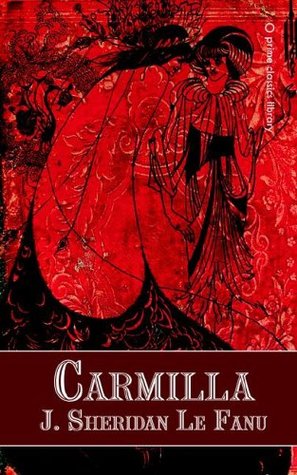
You are mine, you shall be mine, you and I are one for ever.
When a mysterious carriage crashes outside their castle home in Styria, Austria, Laura and her father agree to take in its injured passenger, a young woman named Carmilla. Delighted to have some company of her own age, Laura is instantly drawn to Carmilla. But as their friendship grows, Carmilla’s countenance changes and she becomes increasingly secretive and volatile. As Carmilla’s moods shift and change, Laura starts to become ill, experiencing fiendish nightmares, her health deteriorating night after night. It is not until she and her father, increasingly concerned for Laura’s well-being, set out on a trip to discover more about the mysterious Carmilla that the terrifying truth reveals itself.
This is one of the original vampire stories, and stands the test of time very well. I recommend listening to the audiobook, which you can find for free here, as the book is in the public domain (along with many other classics! I hugely recommend Librivox as a site/app. Look out for any narrated by Elizabeth Klett, as she’s my favourite.).
Years ago, when House of Leaves was first being passed around, it was nothing more than a badly bundled heap of paper, parts of which would occasionally surface on the Internet. No one could have anticipated the small but devoted following this terrifying story would soon command. Starting with an odd assortment of marginalized youth — musicians, tattoo artists, programmers, strippers, environmentalists, and adrenaline junkies — the book eventually made its way into the hands of older generations, who not only found themselves in those strangely arranged pages but also discovered a way back into the lives of their estranged children.
Now, for the first time, this astonishing novel is made available in book form, complete with the original colored words, vertical footnotes, and newly added second and third appendices. The story remains unchanged, focusing on a young family that moves into a small home on Ash Tree Lane where they discover something is terribly wrong: their house is bigger on the inside than it is on the outside.
Of course, neither Pulitzer Prize-winning photojournalist Will Navidson nor his companion Karen Green was prepared to face the consequences of that impossibility, until the day their two little children wandered off and their voices eerily began to return another story — of creature darkness, of an ever-growing abyss behind a closet door, and of that unholy growl which soon enough would tear through their walls and consume all their dreams.
I read this novel (piece of modern art?) when I was about seventeen, and it terrified me so much that I still shiver to think about it today. As well as being beautifully designed, it’s a many layered story-within-a-story book, each of which is affecting in different ways – my favourite being the house of leaves itself. A couple discover the dimensions of their new house don’t match up, and find mysterious appearing and disappearing doors. When they open one, they find a black and endless void. With the help of a cave exploration team, they venture inside . . . and I won’t tell you what’s in there. You’ll have to read it and find out. The house plotline would stand up as a novel on its own, so everything else is just a bonus, but as another incentive, here’s an example page of the book:
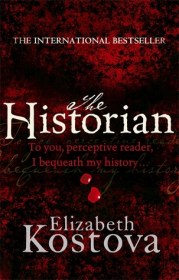
Late one night, exploring her father’s library, a young woman finds an ancient book and a cache of yellowing letters addressed ominously to ‘My dear and unfortunate successor’. Her discovery plunges her into a world she never dreamed of – a labyrinth where the secrets of her father’s past and her mother’s mysterious fate connect to an evil hidden in the depths of history.
Another vampiric story-within-a-story, this will keep you hooked until the final page – and hopefully send shivers down your spine.
Award-winning author Jennifer Egan brilliantly conjures a world from which escape is impossible and where the keep-–the tower, the last stand-–is both everything worth protecting and the very thing that must be surrendered in order to survive.
Two cousins, irreversibly damaged by a childhood prank, reunite twenty years later to renovate a medieval castle in Eastern Europe. In an environment of extreme paranoia, cut off from the outside world, the men reenact the signal event of their youth, with even more catastrophic results. And as the full horror of their predicament unfolds, a prisoner, in jail for an unnamed crime, recounts an unforgettable story that seamlessly brings the crimes of the past and present into piercing relation.
There are scenes in books which you remember forever, and the climax of this book – involving a secret dungeon underneath a castle – is one which I will never forget. There’s also an overgrown algae pool which was close to giving me nightmares when I read about it. Excellently cinematic.
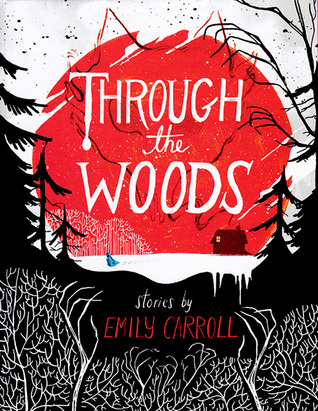
Five mysterious, spine-tingling stories follow journeys into (and out of?) the eerie abyss. These chilling tales spring from the macabre imagination of acclaimed and award-winning comic creator Emily Carroll.
Come take a walk in the woods and see what awaits you there…
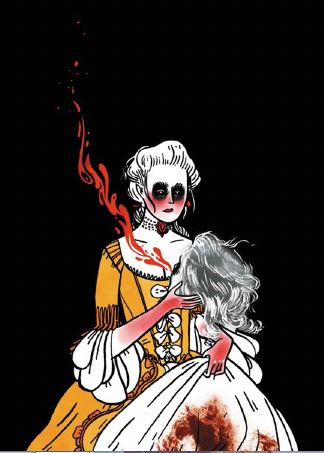
A graphic novel with a monstrous twist, I think I’ll let the pictures speak for themselves. Here’s my favourite:
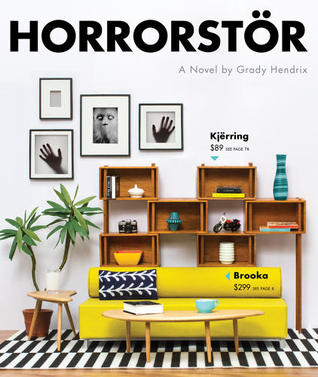
Something strange is happening at the Orsk furniture superstore in Cleveland, Ohio. Every morning, employees arrive to find broken Kjerring bookshelves, shattered Glans water goblets, and smashed Liripip wardrobes. Sales are down, security cameras reveal nothing, and store managers are panicking.
To unravel the mystery, three employees volunteer to work a nine-hour dusk-till-dawn shift. In the dead of the night, they’ll patrol the empty showroom floor, investigate strange sights and sounds, and encounter horrors that defy the imagination.
A traditional haunted house story in a thoroughly contemporary setting, Horrorstör comes packaged in the form of a glossy mail order catalog, complete with product illustrations, a home delivery order form, and a map of Orsk’s labyrinthine showroom.
This is WONDERFUL. It’s up there with HOUSE OF LEAVES as one of the creepiest, most mind-consuming thrillers. During a night shift at what’s basically Ikea, strange things start happening – weird smells, new graffiti, strange men appearing. I read this in the dark on my phone, and I had to get up to turn the lights on. The second half is genuinely chilling.
It’s a little slow to start, and the first half is more retail-employee-satire than horror, but once it gets going it just goes and goes and goes. Some of the images will stick with me for a long time. I’m not sure I can go into an Ikea ever again. *shudders* The book is also laid out like an Ikea catalogue, which makes it extra special.
In other news: The Next Together is released in Australia on November 1st! You can follow my blog tour below if you wish.
Smallish Magazine called it “Utterly gripping” and The Herald Scotland said: “The Next Together, is a rather clever piece of time-travelling science fiction meets romance, by debut author Lauren James. Katherine and Matthew are teenagers who meet and fall in love in numerous different time frames. Rather satisfyingly they come together for the “first objective”, a kiss, numerous times, and find themselves caught up in the violent dramas of history as well as the future. Smart and hugely creative.“
The Lancashire Evening Post said “Funny, unique, filled with passion and danger, and utterly addictive, The Next Together is one of this year’s best young adult romances. James knows her audience and writes with the assurance and well-honed imagination of a seasoned novelist. No self-respecting teen would want to miss it!“
So THANKS, Scotland and Lancashire!!
I also loved this so much I have to share it: Georgia at Teen Book Hoots wrote her own ‘next together’! I LOVE this idea – and I would not complain about being in her scenario either! 😉
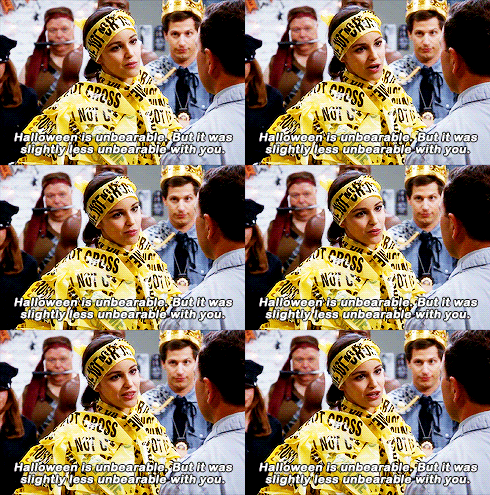
And finally, because no Halloween blog post would be complete without a Brooklyn Nine Nine gif:
D’aaawww.
You can find a rebloggable version of this post here.
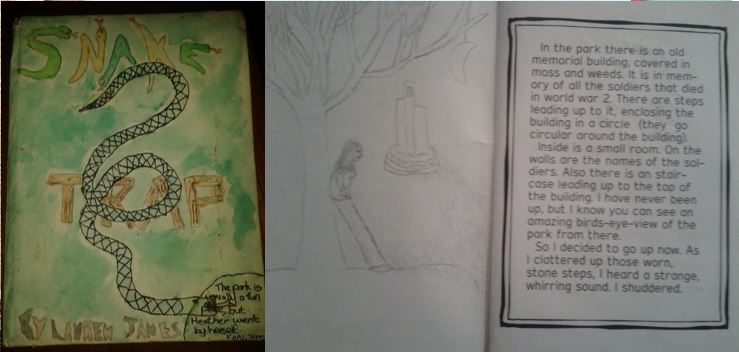
So, I used to love writing as a kid. I wrote stories about my dogs (something I think every author does, as a kid. Right?).
Age 13
I wrote stories about my local park’s war memorial actually being a time machine space ship for vampire shapeshifter alien snakes (that old cliché, urgh).
Age 11
But when I was about fourteen, I kind of . . . stopped writing. For years, actually. It wasn’t until I was at university that I started writing again. There are lots of reasons I stopped. Here are some of them – and why I was totally wrong about everything.
1) I’m too young to write anything good
All of the authors of my favourite books, the ones who were famous, were in their forties and fifties. So even though I really wanted to be a writer, I thought there was no point in trying until I was older. I thought that I had to get a lot more life experience before I’d have anything worth writing about.
I was SO WRONG. Everyone, of any age, has something worth saying! Especially when writing YA, which is aimed at teenagers, a young person is going to have so much to say which is relevant to their audience, because they are their audience.
2)Writers have to write all the time
I love writing, but to be honest . . . as a teenager it was never my priority. There were too many other things to do. I would write occasionally, but never out of habit – more just because I’d run out of other things to do and come across my notebook.
I thought that clearly, clearly, I didn’t care enough about writing to do it at a professional level. I thought that I could never write anything good if I wasn’t prepared to practice constantly. I remember watching an interview with Ian Rankin, where he said that as a kid he was so desperate to write that he would write in pencil on his bedroom walls. That was never me – I was never obsessive about writing. So I thought: clearly I’m never going to be an author.
But again, I was really wrong. Writing is 90% reading, in my opinion. By reading, you learn how to write. Read anything and everything and critically engage with it – think about what plots work, what characters are developed and which aren’t, what keeps you hooked and invested in the story – and you’re 90% of the way there already. You don’t need to write all the time to be a writer. But you do need to read all of the time.
Plus – if you’re always writing, you’re not going to have anything to write about, except a writer sitting at a desk staring at a blank word document! Get out of the house and have some adventures, get into trouble or go on a gap year. Then you’ll have something fun to write about when you get home.
3) I don’t read enough serious ‘Classics’ to be an author
I’ve always been a huge reader. I used to get library books out on my library card, my mum’s, my dad’s and my brother’s . . . and read them all in a week and return them to get some more. I read my local library’s entire Children’s section,and moved onto the Adult fiction. But. I didn’t think I read the right stuff to be a writer. I was never really into Classics, which were the kind of things I thought authors should be reading.
I thought if I couldn’t even read the ‘intelligent’ stuff, then what would the stuff I was writing be like?
BUT. You’ve guessed it . . . I was wrong. You don’t need to read Classics. Not ever, if you don’t want to. They are interesting, in a ‘ooh, so this is the first time that method/technique/literary device was done’ but to be honest . . . you can see a lot of the same stuff in modern literature too, which has built on centuries of groundwork done by classical writers.
Read whatever you enjoy, man.
The same goes for writing. Write something you love, and that passion will shine through in the book. If you’re writing a Serious Novel just because you think you should, and you don’t love everything about it, readers will be able to tell. (Plus, you’re more likely to actually finish writing something if you’re desperate to find out what happens yourself. Write what you want to read.)
4) My writing isn’t as good as in books.
I used to read back over my writing, and cringe at how terrible it was – full of errors and clumsy sentence structures and just plain bad dialogue. Especially when I compared it to the books I was reading, which had elegant prose and funny jokes and perfect grammar. (To be honest, I still do this now.) But you can’t let that stop you writing. Those published books have been edited more times than you can imagine. They’ve had teams of people going over every single word to make sure it’s perfect. At one stage, they would have looked exactly like your writing too. All first drafts suck.
5) Barely anyone gets published, so why bother trying?
Okay, firstly, past!Lauren, you have completely missed the point of writing. Writing is so much fun – you get to create your own worlds! You get to make up characters, and have them fight each other! Or kiss each other! Or fight each other and then kiss each other! Or kiss each other and then fight each other and then get really close to each other’s faces and accidentally start kissing again! Wait . . . what was I saying? [cough]
You don’t write to get published. For me, I write because I have an itch to read a book that doesn’t exist, and the only way to satisfy that itch is to write the book. I love writing (some of the time). I love it even if it never gets published. So it’s always worth writing – and actually, loads of people get published. Look at me!
Don’t let pessimism stop you from trying. Believe in yourself, because if you don’t, then nobody else will.
A rebloggable version of this post can be found here.
Today I’m talking to Miranda Baker, the copyeditor of The Next Together. Miranda was the person who made sure all of my tangled time travel-y storylines didn’t create any massive plotholes which my editor and I had missed. I am intensely grateful to her for noticing many issues which needed fixing – and copyediting is also really interesting on a personal level. My copyedits made me aware of several things which characters do far too often in my writing:
bite their lips
giggle
be thrilled/delighted
gaze at each other
look at each other’s lips
smile at each other (specifically quirk a smile)
kiss
So while there’s still lots of that in the finished book, there’s hopefully….. less!
In her interview, Miranda tells us how copyediting is done, and the difference between editing and copyediting.
What does your job involve?
The copyeditor’s job is to read the edited manuscript for consistency (do the characters’ names change halfway through, for instance) and accuracy of any factual information, and to correct any spelling or grammatical errors. The copyeditor may also suggest changes to text that’s unclear or repetitive.
How did you get started in copyediting?Did you do any work experience?
I’ve actually had quite a varied career, mostly working on titles for younger children. My first publishing job was as an editorial secretary for Puffin and I’ve worked for various children’s publishers since then. I started working as a freelancer editor and copyeditor after my children were born.
How does copyediting compare to the work of editors?
The editor basically looks after the book from the moment it’s taken on. As well as working with the author to shape the text, they will liaise with other departments – design, rights, marketing, publicity, contracts, finance – to see the book through the publishing process. The copyeditor, who might be in-house or a freelancer, is just involved in one editorial stage.
What’s your favourite part of your job?
I get the chance to read a wide range of wonderful stories. I also love the technical side of editing – spotting rogue commas.
How do you approach fact checking and background research when copyediting?
Google! I often wonder what on earth editors did before the arrival of the Internet.
The Next Together has several historical timelines. How was the experience of copyediting this?
It was quite challenging, but interesting. Probably one of the most complicated titles I’ve worked on, but a great read!
What are some of your favourite children’s books now and from your childhood?
Like most editors, I was a voracious reader as a child. I loved Laura Ingalls Wilder, Judy Blume, Alan Garner, Susan Cooper, the Nancy Drew mysteries… Anything and everything I could get my hands on.
Has being involved in publishing changed how you read books for pleasure? I’m not sure, but I don’t think so. Reading is still one of my greatest pleasures.
What advice do you have for anyone looking to get into publishing?
Most of the people I’ve met recently who are new to publishing had done internships or work experience for lots of different publishers.
Miranda Baker is a freelance writer and editor who works on children’s books for all age levels, from board books and novelty books to annuals and YA fiction. Her clients include Puffin, Nosy Crow, Walker, Ladybird, Chicken House, HarperCollins, Orchard and Hodder Children’s Books, Granta and Portobello Books.
In other news: I did a video interview with the online Independent bookshop Hive:
I’ve just finished my mini-tour for The Next Together. I had a great time visiting lots of schools, libraries, bookshops and universities. Thank you for everyone who came out to see me! My next event is YA Shot on October 28th in London, where I’ll be doing a panel with Lucy Saxon and Catherine Doyle.
Today I’m talking to my friend Katie, who is not only the loveliest and most energetic person ever (you might have seen her running around at YALC in full Sailor Moon costume, organising everything!), she’s also taking over the UKYA world. Her first novel comes out next year, and she works for reading charity the Book Trust too! I’m so excited to share with you her thoughts on UKYA, diversity and more!
What does your job involve?
I’m a programme coordinator for The Letterbox Club, Book Trust’s postal programme for children in care. Every year from May to October, we send six parcels full of specially chosen books, stationary, and maths games to children registered for Letterbox Club. I also interview authors for the Book Trust website and help out with projects like YALC.
How did you get started working with Book Trust?Did you do any work experience?
I moved to London from Hong Kong because I wanted to get a job in books, ideally at a literacy charity. I spent four long months applying for any and every book or publishing related job that I was marginally qualified for…and getting a lot of rejections!
I found my first role at Book Trust through a publishing recruitment company. It was originally a 3 month role for one project, and when that project came to an end, Book Trust offered me a position with The Letterbox Club team! Prior to working at Book Trust I had a very different job, I was Director of Sales for a company that helped hotels manage their online reputation. But even while I was doing that job full time, I always made sure to be volunteering or interning with a book related organisation so I could have relevant experience on my CV.
You’re also a writer yourself (with the same editor and agent as me! Hurray!). Does this affect your ‘day job’ and vice versa?
Our agent and editor clearly have excellent taste 🙂
I have to be really good at managing my time—especially when I’m on deadline! I try and write every day, usually in the evenings.
I’m lucky because I get to see a different side of publishing. With my Book Trust hat on, I mostly work with publicists and special sales directors, and with my writing hat on, so far I’ve mostly worked with my wonderful editor! It is really great to see how excited a sales director gets when one of their books is selected for a programme.
What’s your favourite part of your job?
Definitely getting feedback from the children in Letterbox Club. It is so wonderful when they send a postcard letting us know that they loved the books that they received, or when a carer or local authority emails us to let us know that the books are really making a difference. And I love when I get to work with authors, whether that is working with an author to get additional content for the parcels, or interviewing an author for the main Book Trust site.
What do you hope to see happen in Children’s publishing in the future?
More diversity! Yes, we need diverse books, and I do think that there has been a lot of progress in this area, especially in UKYA, but we also need diverse creators and diverse publishers.
What are some of your favourite children’s books now and from your childhood?
A Wrinkle in Time by Madeline L’Engle is one of my all-time favourites. More recent favourites include Daughter of Smoke and Bone by Laini Taylor, The Raven Boys series by Maggie Steifvater, Six of Crows by Leigh Bardugo, Wolf Wilder by Katherine Rundell, Clockwork Sparrow by Katherine Woodfine, and the Murder Most Unladylike series by Robin Stevens. And Harry Potter, of course. And I love Cerrie Burnell’s picture books. And anything by Frances Hardinge…this is too hard!
And there is this awesome book called The Next Together…you might have heard of it 🙂
What are you proudest of in your career?
In my writing career, signing with Claire Wilson, who was my dream literary agent, is my proudest moment so far!
At Book Trust, it has to be a tie between working with Katherine Woodfine on YALC this year and whenever I get a chance to meet some of the children who receive Letterbox Club parcels and see how much the parcels mean to them.
What advice do you have for anyone looking to get into publishing?
Be persistent! The most important thing is to get your foot in the door, even if it is a short-term contract or in a department you aren’t super interested in, you never know what other opportunities can come from it. And don’t be scared to put yourself out there! Reach out to people you admire and ask if you can take them to coffee to find out how they got to where they are.
And don’t get discouraged! You’ll get there!
As someone who has lived in many (MANY) countries, what do you think in particular is unique about the UK publishing industry and UKYA?
UKYA is so welcoming and friendly! I remember being really nervous when I went to my first event, especially before I had an agent. I wasn’t an author or a blogger…I was just there as a reader who wanted to meet other people who liked books…and everyone was SO nice. It really feels like such a community, but not an exclusive one, a really welcoming one. It is a wonderful thing to be a part of!
Katherine Webber is originally from California but currently lives in London. She spent four years living in Hong Kong and has also lived in Atlanta, GA and Hawaii.
She loves an adventure, whether it is found in a book or in real life. Travel, books, and eating out are her favourite indulgences.
Her debut YA novel, WING JONES, will be published in January 2017 by Walker Books in the UK and Delacorte/Random House in the US.
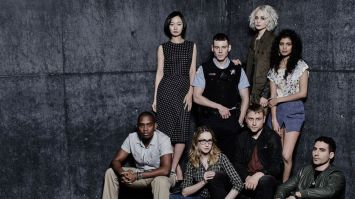
My friend Alice introduced me to this, and I watched the whole series in about two days. Honestly, if you asked me, I couldn’t really tell you what happened. The plot is kind of an excuse to learn more about the 8 characters – even the sci-fi hook, of them being connected mentally in some mysterious way, is basically a sideline to exploring their lives. They are hugely diverse in every way, and all of them are lovely. Some are funny, some are terribly tragic, some are brutally cool. I want to be all of them. I can’t wait for more.
I’ve wandered around Muji a few times, and it was only very recently that the shop clicked for me. It’s a chain of Japanese shops which have the neatest little Things – like storage boxes, notebooks, stationery, make up and other stuff with slightly more mysterious purposes. It’s all very simple and plain and well made.
Ignore this truly terrible cover. This shit is the BOMB. If you’ve been reading a lot of YA recently, and you’re looking for a good Adult Literature series to sink your teeth into, this is a great one to go for. It’s about two girls from a very poor district of Naples in Italy, and the four books cover their lives and friendship in minute, incredibly attentive detail. I’m halfway through book three and they are still both eighteen. So it’s basically like YA for grown ups (or teenagers! You’ll like it too!).
The girls don’t realise they live in poverty, and they slowly come to terms with that, and fight against their upbringing to succeed in life, in whatever evolving way they define that. Often their only driving motivation is to compete against each other, and they are alternately each other’s only support and cruellest adversary. It’s fascinating reading, and I don’t think you can read the books without getting slightly obsessed with Lila and Lenu. Honestly, I could read about them forever.
Tom Hardy being demoted to Charlize Theron’s sidekick in his OWN FILM gives me life.
Film: Mad Max: Fury Road
Okay, I didn’t really understand a lot of this film. Like . . . you just have to sit back and enjoy it. I would enjoy more ‘diesel-punk’ in my fiction though, I know that much (especially the feminist kind).
To be watched with an enormous pint glass of ice cold water, because it’ll make you thirsty.
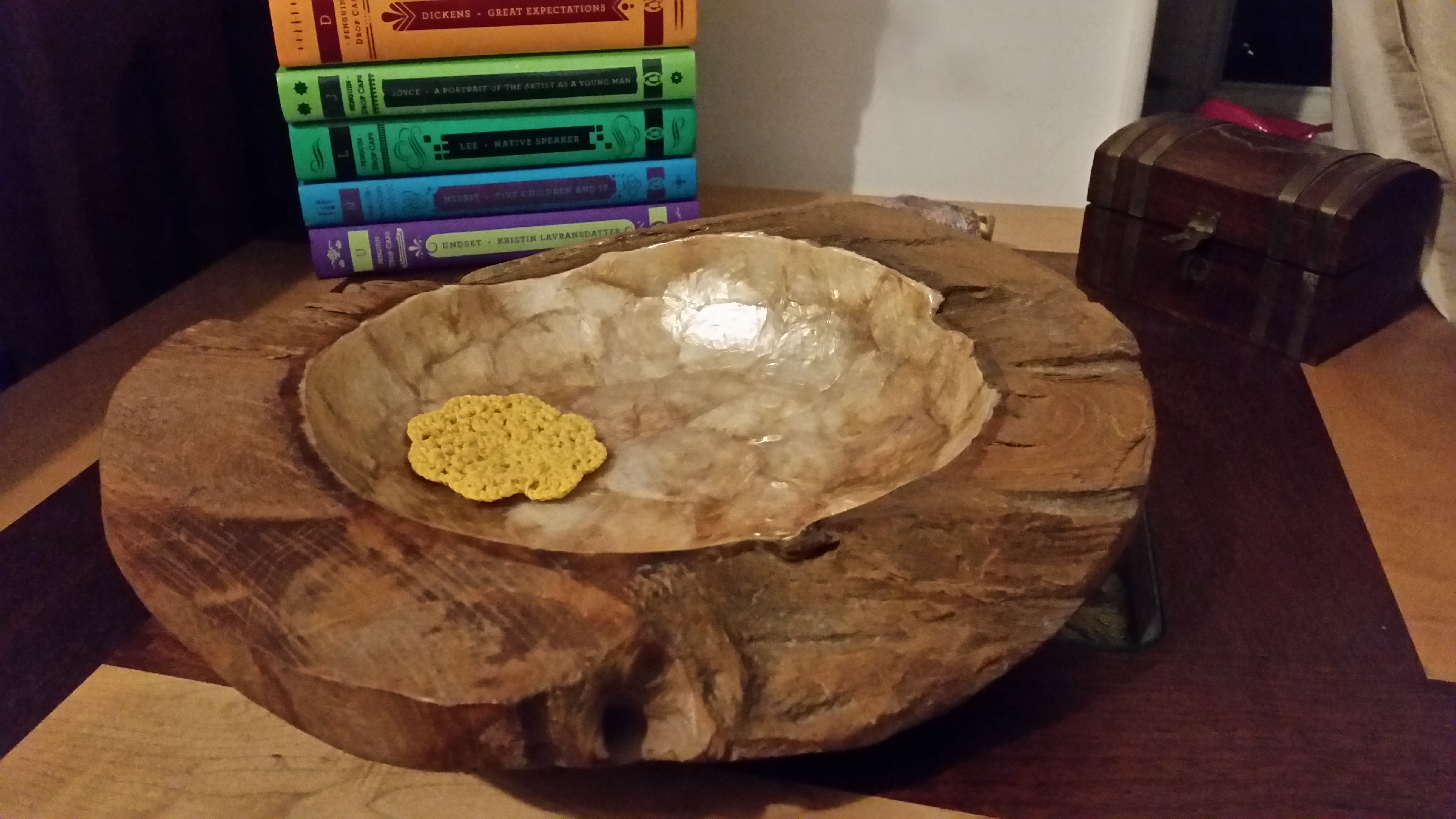
Object: THE COOLEST BOWL EVER
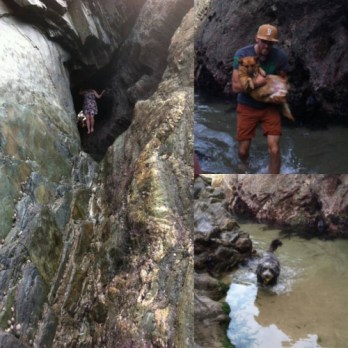
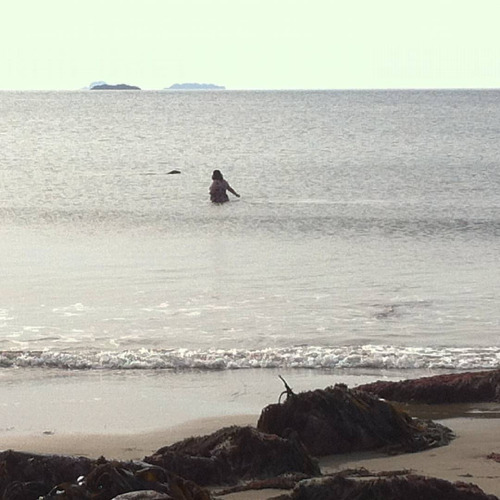
I just got back from holiday in South Wales, where I did such things as SWIM WITH A WILD SEAL and CARRY DOGS THROUGH CAVES.
I know it LOOKS like I’m not the one carrying a dog in this photoset, but that’s a trick of the camera. I definitely did the carrying at least 101% of the time, alright?That black shape is LITERALLY A WILD SEAL. The other black shape is me. WE WERE RIGHT! NEXT! TO! EACH! OTHER!!!!
I also bought what I’ve officially labelled ‘the coolest bowl ever’ in a little harbour village shop.
I’m very into the ‘did I make this myself? YOU’LL NEVER KNOW’ aesthetic.
The village is now my #1 Life Goal House Ownership Location of Choice (not even kidding a little bit; did I mention the SEALS?). I’m going to support my future home by linking you to the shop’s website. They post items, so definitely get a wooden pirate if you’re into that.
I got a new phone! It’s amazing! There’s not much else to say about this, except I’m enjoying the experience of webpages being able to load before I fall asleep!
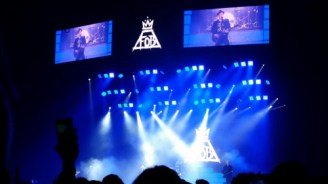
Music: Fall Out Boy
I went to see them live yesterday! They were very good. They didn’t play my favourite song though, which is this one.
My next novel, THE LAST BEGINNING, is a sequel to THE NEXT TOGETHER, and comes out in Autumn 2016. I never even knew that THE NEXT TOGETHER would have a sequel until I wrote the last chapter. Then I suddenly realised that there was this whole other story I hadn’t told. I couldn’t bear to give up Kate and Matt.
Writing a second novel was a completely different process to my first. I wrote THE NEXT TOGETHER for me, because I couldn’t find the book I really wanted to read. I never thought about who else would read it. It was full of inside jokes to myself and silly asides that no one else would care about.
I wrote THE LAST BEGINNING knowing that not only would other people read it, but that it was definitely going to be published. That made it so much harder.
I was hit with Second Book Syndrome. I doubted myself. I had to stop myself from not putting things in because I was too busy thinking about what people reading them would think.
Plus, I used all of my best jokes in the first book. I threw everything I had – a lifetime of experiences and ideas – at THE NEXT TOGETHER. For a while, I was a bit stuck.
I got over that in the end – and I think my own self-doubt makes me a better writer. I’d be terrible if I was blithely confident in everything I wrote!
In every book, I find the first 20,000 words the hardest. That can take me almost as long to write as the rest combined. I’ll write and rewrite that about 3 times before I’ll carry on. Getting the beginning right the first time will save a lot of rewriting, I’ve found.
But when I eventually, finally wrote the first draft…. It was so much better that THE NEXT TOGETHER, from the beginning. THE NEXT TOGETHER was the first novel I ever wrote, I was learning how to write at the same time as editing it for publication.
It was a huge learning curve. I was only just figuring out the basics. The edits were huge and endless and I was making stupid mistakes, and writing lots and lots that was immediately deleted because I didn’t know what I was doing.
The second time around, I understood so much more about the plot structures of books. I saved so much time by making sure I knew what the novel’s structure would be from the beginning, before I started writing. That saved me a lot of editing time.
However, I’m still in the midst of editing, so I may be saying this a little early…. I’ll update you in a few months!
I do struggle with comparing the rough draft of THE LAST BEGINNING to the polished final version of THE NEXT TOGETHER. At times it feels like I’d gone backwards because it’s so bad in comparison. But I have to remember how much editing that has had. So. Much. Editing.
And one day, hopefully very soon, THE LAST BEGINNING will be just as polished and prettied up and ready for people to read. Fingers crossed.
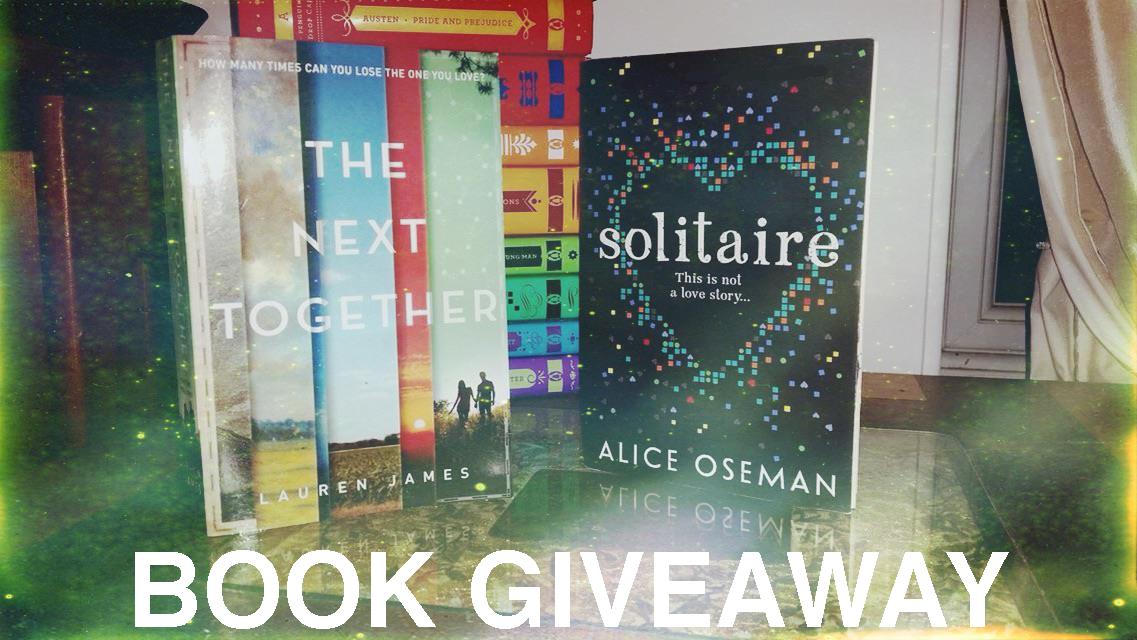
 This week is the publication of The Next Together in Australia and my friend Alice Oseman’s e-novella
 Book:
Book: 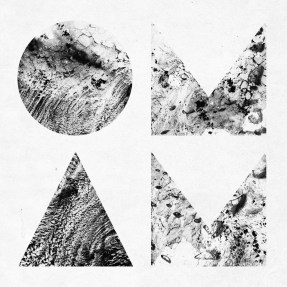
 This is a super cute and whimsical comic about a group of girls at a camp where magical, evil things start happening. It’s very upbeat and modern and diverse and I’m in love in a big way. Volume 3 isn’t out until April and I’m SO READY.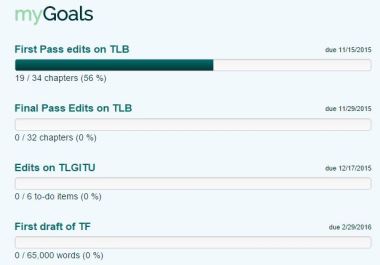
 The Next Together was included in an Australian subscription box




 Years ago, when House of Leaves was first being passed around, it was nothing more than a badly bundled heap of paper, parts of which would occasionally surface on the Internet. No one could have anticipated the small but devoted following this terrifying story would soon command. Starting with an odd assortment of marginalized youth — musicians, tattoo artists, programmers, strippers, environmentalists, and adrenaline junkies — the book eventually made its way into the hands of older generations, who not only found themselves in those strangely arranged pages but also discovered a way back into the lives of their estranged children.








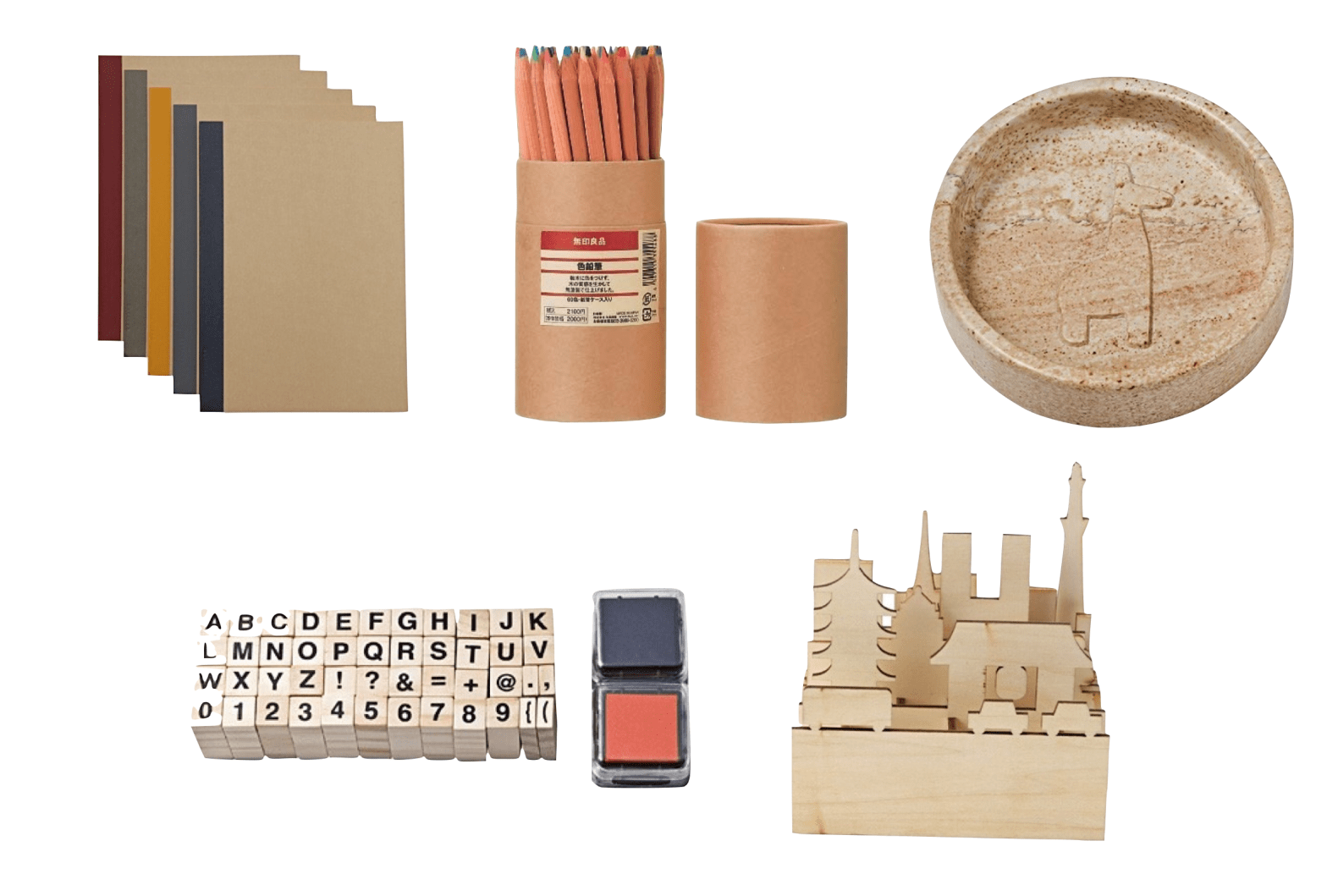
 I’ve wandered around Muji a few times, and it was only very recently that the shop clicked for me. It’s a chain of Japanese shops which have the neatest little Things – like storage boxes, notebooks, stationery, make up and other stuff with slightly more mysterious purposes. It’s all very simple and plain and well made.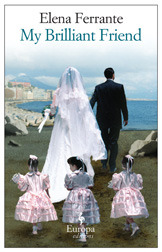

 Wren James