It’s time! For the best in show! Here are my favourite novels, poetry collections and non-fiction books of the year.
All of these books hooked me from page 1 and kept me reading in one sitting, which is no small feat in a year when I struggled very badly to complete any book through to the final page.
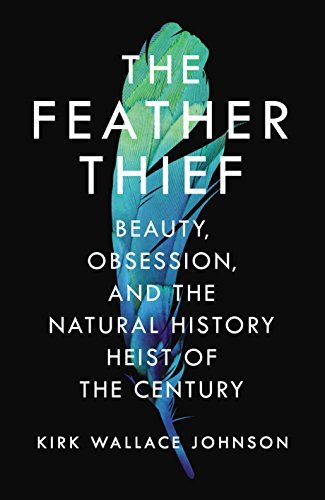
The Feather Thief: Beauty, Obsession, and the Natural History Heist of the Century by Kirk Wallace Johnson – Mind-blowing real life true crime about a group of collectors who become obsessed with using real rare birds’ feathers in their fly-fishing hooks. This leads to a heist on the natural history museum archives. A great look at the hysteria of collectors, the isolated echo chambers of internet forums, and a really iconic gentleman thief.
Witch by Rebecca Tamás – Queer, witchy poetry with a visceral, dark tone. I ate this up.
And outside reading, what have I been doing this year? As always, I started writing this thinking the answer was ‘nothin’, and then wrote a whole load of stuff.
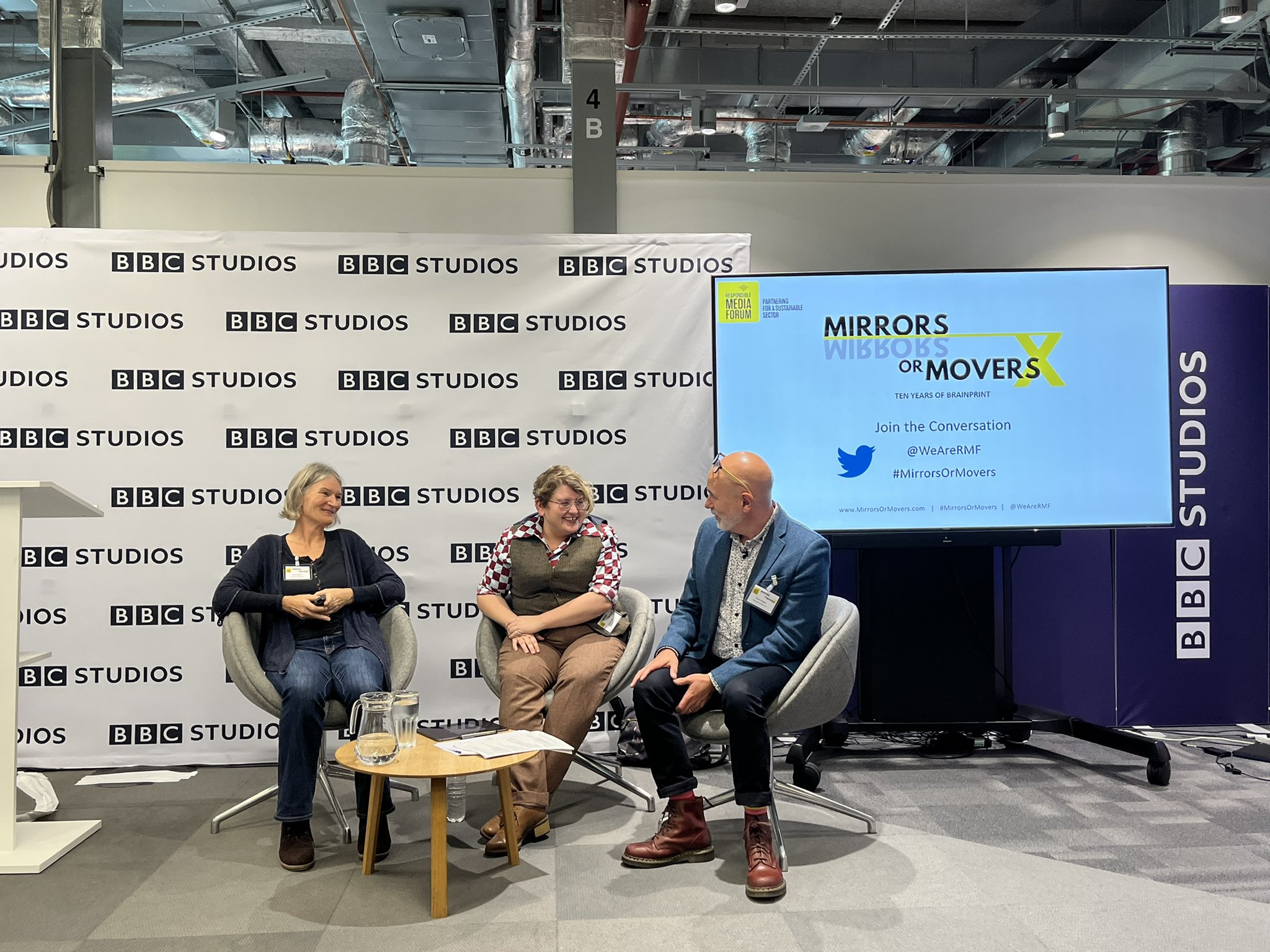
I recently spoke at the BBC Television Centre on writing environmental issues into fiction. The 20 minute talk is now online to watch:
I also took up a fellowship position at Aston University, Birmingham, this month. Royal Literary Fund Writing Fellows work throughout the UK in universities, helping students and staff one-to-one with writing development from our unique perspective as professional writers. If you’re a current student at Aston or any other university, then reach out to your resident fellow if you feel you need help. I’m so excited to connect and offer advice!
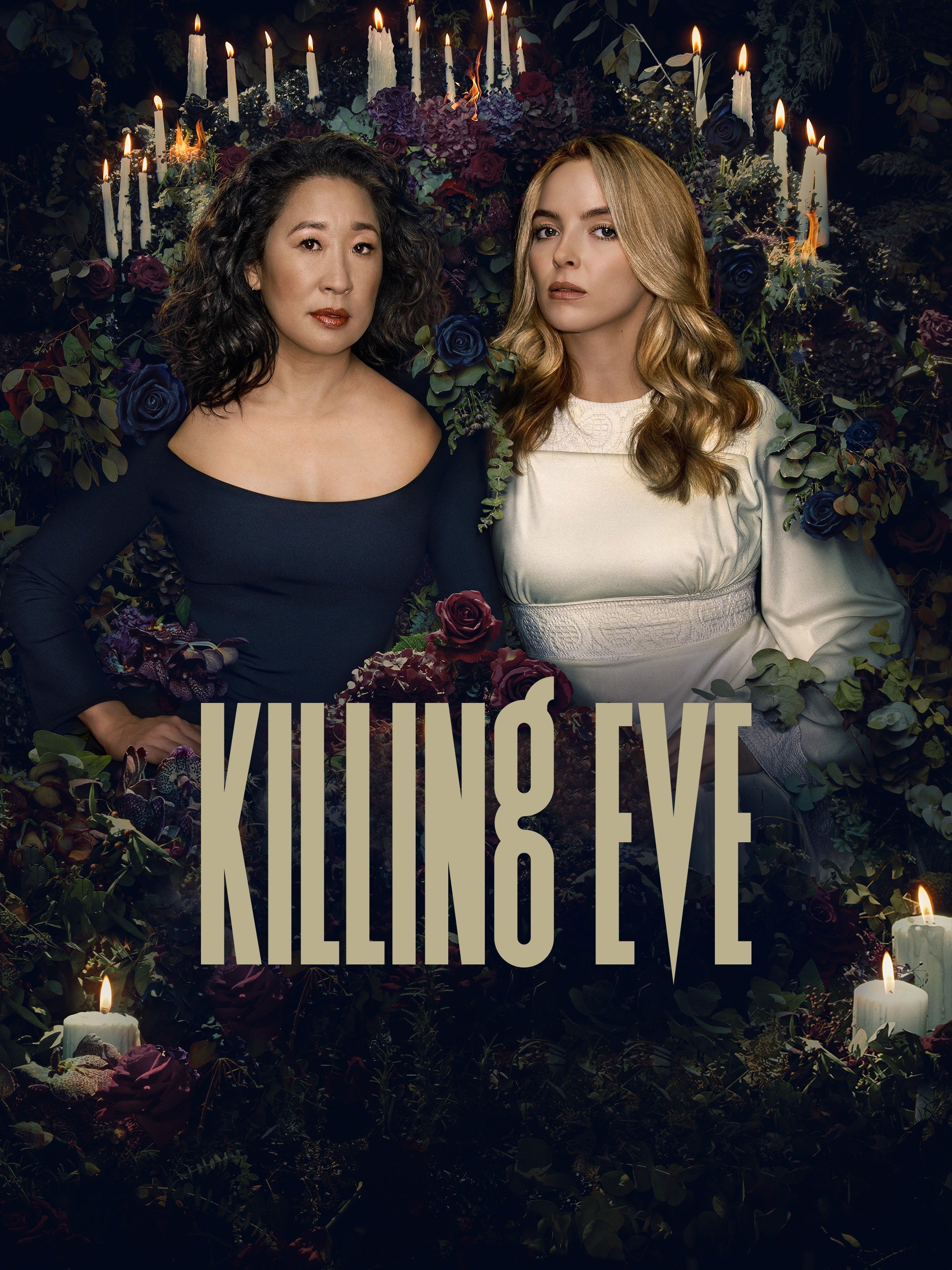
Spoilers below for the final series of Killing Eve and James Bond.
Hello. Hi. Hey. Once again, a screen project has fundamentally failed to understand the nature of a tragedy. How many times can this happen in one year? Your guess is as good as mine.
As you might be aware, Killing Eve ended this week, and they killed Villanelle in the exact same meaningless way as Bond. Assassins: impossible to write into retirement, apparently?!
His death is not a tragedy, it is an inescapable torment. The director said, “I think the important thing was that we all try to create a situation of tragedy. The idea that there’s an insurmountable problem, there’s a greater force at play, and there’s nothing anybody can do about it.”
That is not the definition of a tragedy! That’s just a depressing, grim, dark finale. A ‘tragedy’ means there is a way out, but due to the characters’ personalities, they can’t let themselves take it. For example, in Romeo and Juliet, the teenagers could easily have left Verona and lived happily. But by nature of their melodramatic personalities, they killed themselves instead. So it is a tragic ending, not an inescapable one.
Different characters would have made different choices; they drive the plot and have agency in what takes place. Their deaths were not prophesised because the universe is a cruel place, but created by their own doing. In James’ universe, fate is cruel. But all the jigsaw pieces are in place that could allow him to cause his own downfall, we just need to assemble them. By all means, kill James Bond. But for gods sake, do it with some meaning.
Well, all of that applies to Villanelle too. So today I’m going to fix Killing Eve. Spoilers for all of the new series.
Problem 1: Protagonist’s desires
We never know what Eve is thinking. This is a major issue for a protagonist – she acts in ways we can’t decipher, because we have no idea whether her behaviour matches her secret desires or is an act of self sabotage. Specifically in regards to how she feels about Villanelle, but also about her morality and goals for her nebulous spy career in general.
Problem 2: Villanelle’s Agency
Villanelle never wavers in her one desire (to be with Eve). She has no purpose except to wait for Eve to make up her mind about whether to date her. Literally, this whole series had no character development because she was basically just hanging out, unwilling to move on, while Eve struggled to understand the interiors of her own consciousness. As you might imagine, none of this makes for captivating television.
Problem 3: Meaningless death
Villanelle’s death had no connection to the journey she’s gone on over the last 4 series. I knew she would die, but I thought it would at least have some plot relevance.
If I were writing Killing Eve, I’m going to be honest: I would scrap most of this series and start again, with Villanelle and Eve going on the run as rogue assassins together, leaving Carolyn and Konstantin with the task of tracking them down as they rekindle their old love. But assuming we don’t want to create any of that delicious drama, let’s pull what’s on the screen into a somewhat better shape. I can improve it with three changes, I think.
The fixes:
Scene 1 – Helene’s death
This point in episode 7 has to act as a hinge for the series. Until this moment we have no idea how Eve feels – whether she is working for the good side or the bad side; whether she likes or hates Villanelle; whether she’s genuinely interested in Helene or is going along with a seduction as a ploy. I actually quite like this, because I don’t think Eve knows her own feelings either.
But where it falls flat is that Eve never finds the answer, and Helene’s death gives us nothing, narratively or emotionally. Eve’s fascination with Helene has to be a mirror for her own examination of her desires: does she want to become a powerful, evil leader like Helene? Or not?
This is the question Eve has been asking herself since Series 1. Incredibly, the show ends before she finds an answer! Instead, this moment in episode 7 where Helene dies has to be when Eve realises who she is. From this moment forward, Eve’s actions have to be decisive and clear and focused, to make up for her lack in goals up until now.
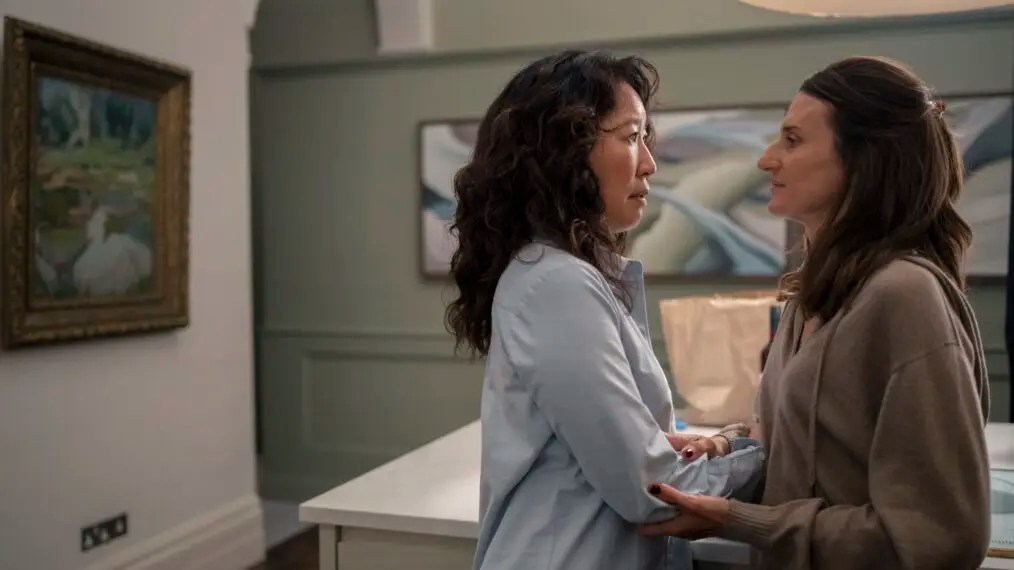
Firstly, we need Villanelle to find out that Eve is interested in Helene a lot earlier on, for maximum jealous suitor comedy. Ideally, in the scene where Eve tends to Villanelle’s stab wound.
Then in the scene where Helene dies, I would make the following changes. Villanelle still sneaks into Helene’s hotel room to kill her. But Helene discovers her hiding under the bed and tries to seduce her, in moments which mirror the Helene/Eve intimacy. Obviously, this works on Villanelle (Helene is exactly her type: an older brunette!).
They kiss, and then Eve enters. Until this moment, Eve doesn’t know what or who she wants. But she’s overcome with a furious jealousy. She kills Helene. She wants Villanelle. Villanelle is shocked – she thought Eve liked Helene. Eve explains that she never wanted Helene – she wanted to be Helene.
Villanelle accuses her of being jealous – of wanting Villanelle back. She likes her. But Eve lies, and says she killed Helene for plot reasons. Not only that, but Eve has killed Konstantin – Villanelle’s father figure. This is an act she cannot forgive. Heartbroken, Villanelle leaves.
We see Eve standing over Konstantin’s body. She calls the Twelve, and says she’s ready. She’s done what it takes to join the group. She wasn’t conflicted because she didn’t want to lose her morality: she didn’t want Villanelle because she’s moved beyond her, and found something better.
Change 2: The Island
A heartbroken Villanelle retreats to Gunn’s island. There, she seems to have met her perfect match. But in the current episode, she decides to leave! For no real reason! This was nonsensical to me. Instead, I would change this so a heartbroken Villanelle commits to a life with Gunn. Eve has given her a final answer: she doesn’t want her. Gunn is a good alternative.
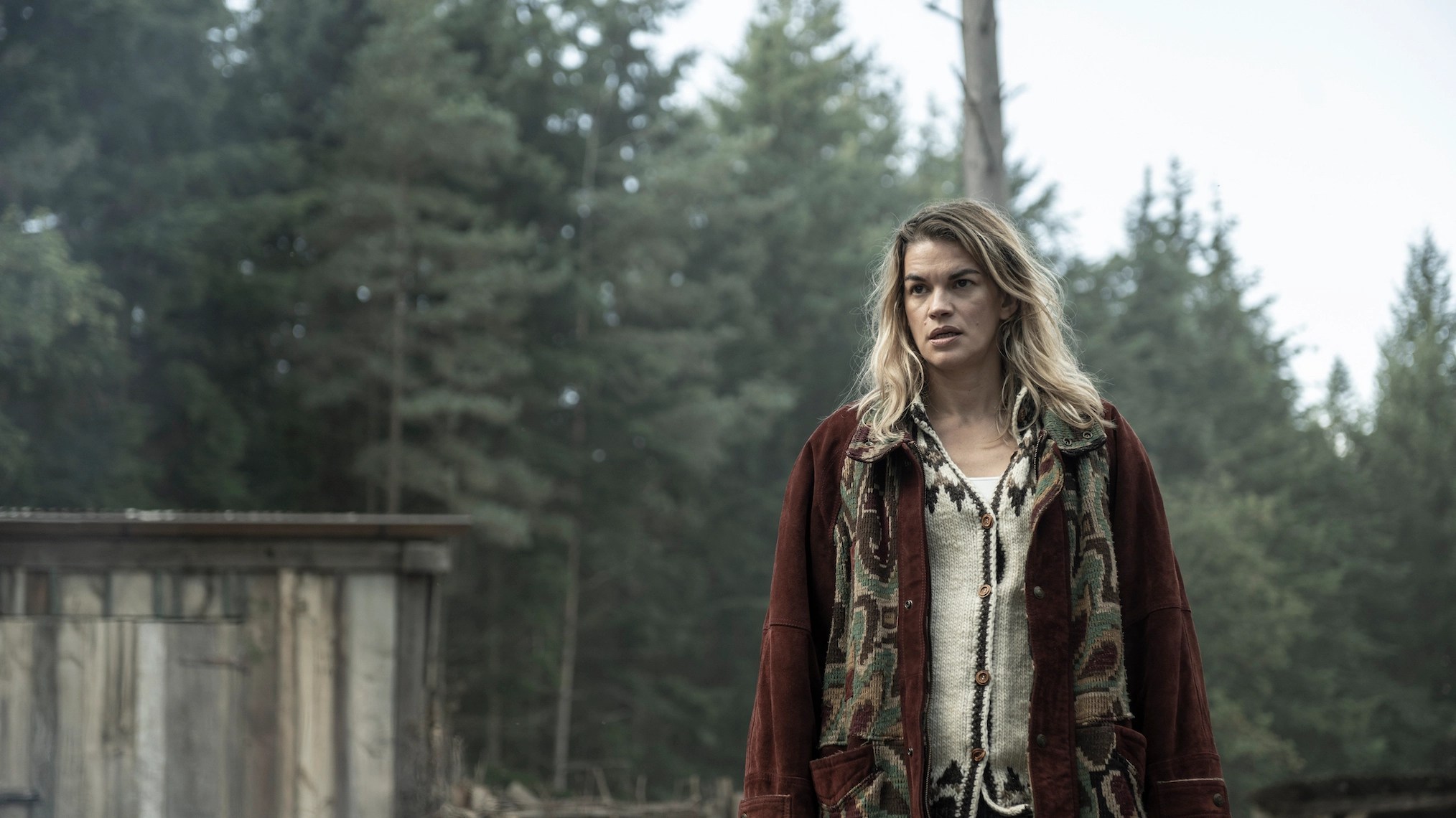
This is Gunn, in case you also found her to be so poorly introduced you had no idea who she was. She’s the assassin who shot Villanelle with an arrow, but more importantly she’s an evil lumberjack with her own island.
But Eve interrupts their new harmony by coming to the island: she tells them she knows how to take down the Twelve, and wants Villanelle to help her. A jealous Gunn tries to kill Eve, and Villanelle has to make a real, conscious decision about what to do: let herself have an actual possible future with Gunn, or save Eve’s life, even when Eve has killed Konstantin and explicitly doesn’t want to be with her.
She chooses Eve, obviously. For the whole show, Villanelle has only valued one thing about her own wants and desires: Eve. This is the ultimate proof of that.
Gunn dies. But Villanelle still can’t forgive Eve for killing Konstantin. Even when Eve admits she wants to be with her, Villanelle rejects her. Her loyalty to her father is too strong.
Villanelle discovered how to love over the course of the series, through Eve and Konstantin. This is her redeeming feature, but also her new weakness. Ultimately, her conflict has to come from being forced to choose between those two most important people in her life.
Change 3 – the death.
The final episode is full of romantic tension, as Villanelle refuses Eve’s advances in a fun role reversal. Eve and Villanelle take down the Twelve on a boat. Villanelle goes in disguise as Gunn, who has a similar build and obviously worked for the Twelve.
Until the last moment, we don’t know if Eve works for the Twelve or the good guys: she keeps slipping away to make phone calls, and behaves suspiciously. They enter the meeting room and the Twelve greets “Gunn” – and then congratulates Eve on taking down Konstantin at last.
Villanelle is horrified by the betrayal – she killed him to join the Twelve?! Eve pulls out her gun and points it at Villanelle. Is she going to shoot? But Eve shoots out the lock on the door behind her – and Konstantin comes charging in. He’s alive!!!
Together, the three of them kill the Twelve in a perfectly synchronised attack. Eve reveals to Villanelle that she was lying about killing Konstantin – he had to pretend to be dead so they could get the information they needed to get to the Twelve.
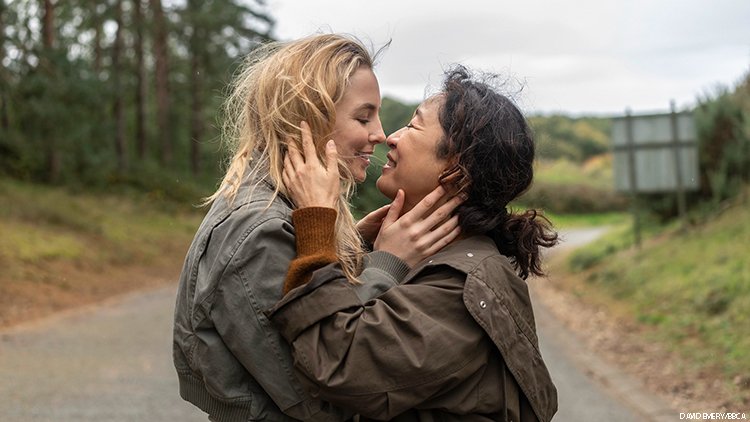
Eve said that she had killed him to stop Villanelle from kissing her in Helene’s hotel room. Eve was moments away from agreeing to run away with her and she was scared. But she’s sick of her own indecisiveness: she’s choosing a life with Villanelle. Everything bores her now. They should be together.
As they go to leave the boat, Carolyn is about to order the sniper to take Villanelle out, but she pauses and remembers Konstantin, the love of her life, kissing her in the same pose as Eve and Villanelle are kissing. She calls off the sniper and goes to him.
Villanelle and Eve sleep together, and that night Eve has a nightmare. She struggles in her sleep, and Villanelle tries to soothe her. Eve pulls out a knife and stabs her, still half asleep. She’s horrified when she wakes and realises what she’s done, but it’s too late. Villanelle is dying.
Eve apologise, but Villanelle shakes her head: this was her fault. However perfect they were for each other, they could never have overcome their history to make it work. Villanelle hurt Eve too much. The trauma she inflicted on Eve killed her in the end. Villanelle has done everything she can to keep Eve safe. The only threat left to take out is herself. She dies.
A year later, a devastated, widowed Eve is approached by Carolyn, who has taken over running the Twelve. She and Konstantin are going into retirement together, and want Eve to be the new handler/Konstantin, training the assassins. They introduce her to “Villanelle”. Pam has taken over the infamous name, and needs a handler. Eve takes the job.
In summary:
Lean into the high emotions of your romance pairing’s melodrama. They can’t trust each other! They betray each other all the time! They’re wildly jealous of anyone else getting close to them! They have a huge amount of interpersonal trauma! If you don’t use any of that in their ending, then what is the point?
Let your characters learn and change! Eve has to choose between good and boring versus fun and evil. We need to see her wrestle with that.
give us some plot twists! all of the spy drama is paper-thin anyway – why not manipulate it a bit for maximum soap opera twisty betrayals? that’s literally what we’re all here for.
if you’re not willing to tell the audience what your main character is thinking, use that as a plot device by have her lie about her plans.
don’t erase your past storytelling. let the consequences of the poor decisions the characters made come back to haunt them. holding someone hostage repeatedly has an effect on their subconscious reaction to your presence, however much they might want to forgive you. if your storytelling resets itself each episode, and no actions have ramifications, it’s effectively a kid’s cartoon, not an adult drama. that’s why this series fell so flat.
So! That’s how I’d fix Killing Eve. There’s loads of other ways to do it, obviously. But I wanted to demonstrate how much of the existing scenes can remain in place, and a stronger story can be built around those building blocks.
If you’re editing a novel/script, that’s what you want to aim to do – find the weaknesses and fix them in a time-saving way that preserves the darlings you’ve already got in place. Usually it’s just a matter of connecting with your characters’ motivations for acting they way you want them to act. People are complicated creatures, and the more nuanced and unpredictably they behave, the more real they feel. Which is great, if your plot needs them to be erratic! You can use that to your advantage! Just make sure you follow through on the promises you set up.
Anyway. I will be back in three more months to edit another assassin drama into coherency. I guess this is a thing I do now. BBC studios: please, please let me do this for you before these shows are filmed. It is so easy to make good storytelling out of these scenes! Just think about what you’re doing!!
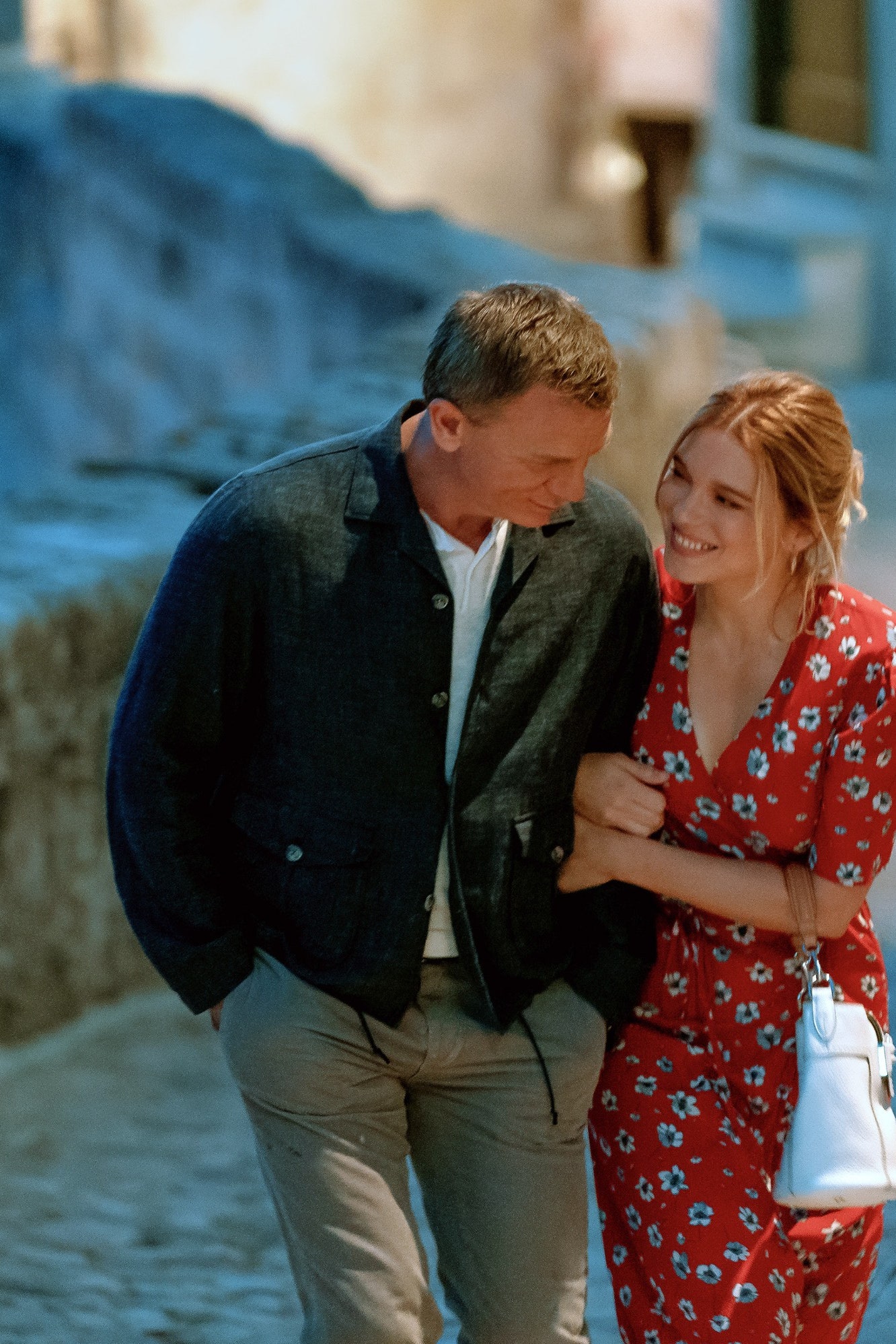
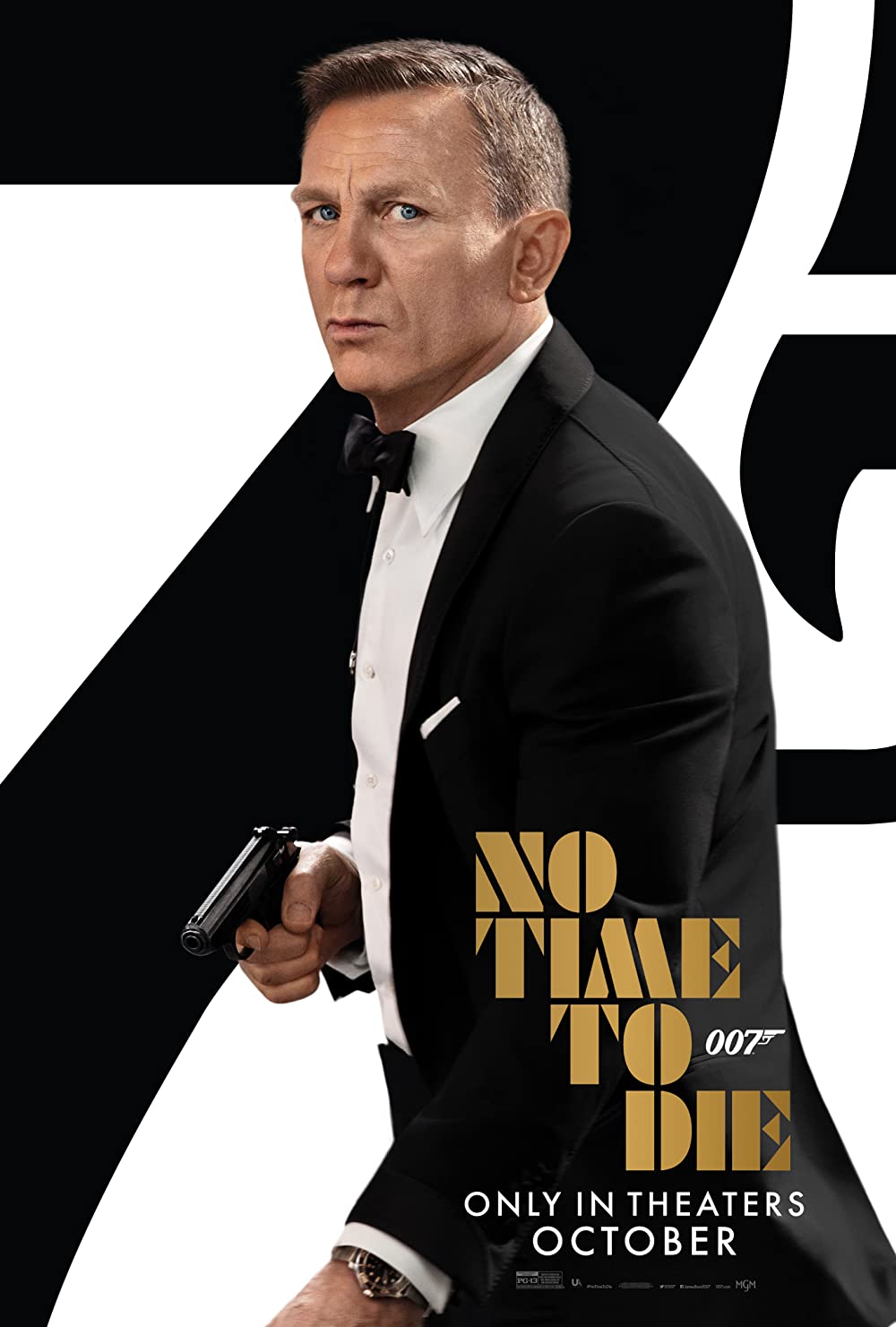
So, I saw No Time to Die. And I have a lot of thoughts, not necessarily good, about the script. It made some errors which are so incredibly basic – and so easily fixable! – that I haven’t been able to stop rewriting it in my head. Let’s do some script doctoring.
Spoilers below for the whole movie.
Problem 1: From beginning to end, this is a romance. The whole story revolves around the audience’s investment in James and Madeleine’s relationship. It’s the thing that’s supposed to tie this story together and make it compelling. But we never see anything that makes us care about them as a match. Following on from this, we don’t care that he has a daughter, because none of the characters care (except Rami Malek’s villain Safin, who cares immensely).
Problem 2: James clearly has PTSD, trust issues and suicidal tendencies as the result of his spywork, and this is his biggest flaw, causing him to self-sabotage his relationship with Madeleine and isolate him from all his friends for 5+ years. But is never addressed by the plot. It should be his downfall.
Problem 3: His death is not a tragedy, it is an inescapable torment. The director said, of the ending: “I think the important thing was that we all try to create a situation of tragedy. The idea that there’s an insurmountable problem, there’s a greater force at play, and there’s nothing anybody can do about it.”
That is not the definition of a tragedy! That’s just a depressing, grim, dark finale. A ‘tragedy’ means there is a way out, but due to the characters’ personalities, they can’t let themselves take it. For example, in Romeo and Juliet, the teenagers could easily have left Verona and lived happily. But by nature of their melodramatic personalities, they killed themselves instead. So it is a tragic ending, not an inescapable one.
Different characters would have made different choices; they drive the plot and have agency in what takes place. Their deaths were not prophesised because the universe is a cruel place, but created by their own doing. In James’ universe, fate is cruel. But all the jigsaw pieces are in place that could allow him to cause his own downfall, we just need to assemble them. By all means, kill James Bond. But for gods sake, do it with some meaning.
I’m going to fix all of those problems by adding three scenes to the already staggeringly long 2hr 45min movie. (We can cut the useless, milquetoast scenes with Ana de Armas instead.)
Scene 1: Honeymoon Phase
Firstly, I’d add an addition during Madeleine and James’ romantic holiday prologue, which ends with James attempting to commit suicide by refusing to defend them both against an assassination attempt in a car. He then breaks up with Madeleine because his trust issues convince him she is working against him.
We need a scene here which shows why these two people are together. It will establish early on that James struggles to trust Madeleine despite how well he knows her. This scene could be about almost anything, but frankly, both characters also need an injection of more personality. They’re entirely blank canvases in the current movie, so much so that I have to assume it’s partially intentional.
Changing this won’t take much (it’s a low bar to cross). I don’t have much to go on, personality-wise, beyond the fact that James likes fishing and Madeleine is a psychiatrist. But here’s my pitch.
Madeleine and James are gathered around a desk of papers, with a map of the coast of the Mediterranean littered with pen marks. They're both in high spirits.
James: - and if we sail along the coastline, we can drop anchor in this cove on the evening of the 29th -
Madeleine: The 29th? There's a meteor shower that night. If I bring my telescope, we can watch the stars!
James: (mock dismay) You want me to stay up 'til 1? I was going to get up at 5 to go fishing.
Madeleine: As if you don't stay up until the small hours watching videos on how to make fly fish lures anyway.
James: Oh, that reminds me, don't throw out the leftover salmon, I can -
Madeleine: It's already boxed up with your fishing kit. Do you think  if we dock here for long enough, we could 'Pavlov's Dog' the fish into turning up at noon each day for feeding, before you cast out your line?
James: I tried that once in Peru on a prison guard. Convinced him he needed the bathroom whenever I coughed. Escaped after only three days.
Madeleine: That's all it took? I wonder if that works even with an open Placebo. Could you condition me even if I knew you were doing it?
James: Let's find out!
Madeleine: (teasing) Just don't manipulate me into getting rid of the telescope. I need that - it's secretly a rifle grenade.
James looks over at the telescope, assessing it.
Madeleine: (laughing) James!
She stops laughing and realises he's serious.
Madeleine: You've seen me use that telescope I don't know how many times over the last five years.
James: (embarrassed) I know it's not a weapon. But my brain just . . . niggles, sometimes.
This scene could be about nearly anything. But the key things to establish here are that:
These people have activities they enjoy doing together (besides sex). They have fun together! Their lives apart would be pale imitations of their life together.
They know each other’s routines and interests intimately and take the time to do small, specific kindnesses they know the other will appreciate.
They spark each other’s imagination, intellect and good humour.
They have the kind of private rapport and inside jokes that come with long familiarity.
They are particularly well-suited together. They make each other better people.
It has to do a lot of heavy lifting to get us through the next two acts. Ultimately, this scene needs to convince us of the thing that the movie tries desperately to tell us, without ever showing us: that if we want James to be happy, we want him to be with Madeleine.
The James that opens this movie has to be so different from any version of him we’ve seen before that it’s almost visceral. We have to realise, as an audience, that this is the first (and last) time we’ve ever seen him genuinely content and happy. Finally, of course, this scene needs to firmly establish the key element of James’ personality that will be his downfall: his inability to trust due to his trauma.
Scene 2: Baby Daddy
In the movie, when James finally finds out Mathilde is his five-year-old daughter, it’s from Rami Malek’s villain, and he doesn’t visibly react. He never sees either Madeleine or his daughter again. There is no element of emotion, surprise or catharsis to any part of this storyline: it’s glossed over mid- villain monologue.
Madeleine lies to James about the paternity, for no reason that makes sense to her motivations (what are her motivations? ever? why did she ever keep her history with Safin secret from James at all?). We have no indication that Madeleine cares, or James, or Mathilde. So why are we supposed to care when they inevitably lose each other?
Instead, we need to see Madeleine tell James the news herself – and crucially, for him not to believe her. This needs to come at a moment when they are tentatively finding their way to their old rapport, in the scene after they put Mathilde to bed in Madeleine’s childhood home in Norway.
James: It's nice here. Private. Defensible.
Madeleine: I can see you're itching to install some high-security locks.
James: It might be nice to get some high hedges. More enclosed, for the little one.
Madeleine: You always did give good hedge.
James idly plays with one of Mathilde's toys - a mini telescope that twists into a gun.
James: Did you get her this to make me think she is my daughter?
Madeleine: (stating the obvious) She is.
James: (taken aback) You'd have come to me if she were. For money, or help, or - it makes no sense, strategically, to keep this a secret. You have no chance of winning that way.
Madeleine: This is real life, James. There's nothing to 'win'. You told me to leave. I left.
James looks back towards Mathilde's room, doubtful.
Madeleine: You wouldn't even believe a paternity test, would you? You'd think someone in the lab had doctored the results.
James: It's happened before. Twice.
Madeleine: You're still struggling, then. After all this time.
James: I don't know what you mean.
Madeleine: You're analysing every move I make. I can see it. Sometimes a yawn is just a yawn. I'm not lying to you.
James: They always say that. You know I'd give anything for her to be mine. But it's better for all of us if she's not.
Scene 3 – Time to Die
Finally, the big one. James’ death needs to come at a moment where Madeleine has the opportunity to save him during the fight with Safin. If James can simply trust her to [activate the missile/fire a final gunshot/some other Bond-esque plot mechanism], then he can get to safety and survive the final battle. Perhaps it relies on her using a telescope to mark the path of the missile, to bring things full circle.
Madeleine: James, I love you. I want our daughter to have a father. What reason would I possibly have to betray you? Let me do this.
James: I love you too. It doesn't mean I can trust you.
Madeleine: (furious) They did this to you. Their training broke you down to nothing and built you up into a one-man army.
James: You have no idea what I've been through. What I see at night when I try to sleep. I'm broken, Madeleine.
Madeleine: (in tears) No one is ever broken. And no one has to die today. Please, James, just look into my eyes. Can't you see I'm telling the truth? I'm on your side.
He stares desperately into her eyes as the missiles get closer. He wants to believe her. He looks away.
James: I can't. I'm sorry. I could never live with myself if I judged this wrong.
Madeleine: You can't live with yourself either way.
James fights against his trust issues and loses, choosing to die in order to guarantee the mission is completed. Tragedy, in its simplest form: perfectly escapable, if only he could change his entire personality.
IN SUMMARY:
create rounded characters and relationships we can invest in
give your plot reveals the weight of the emotional payoffs they deserve
follow through on established character flaws
create moments of catharsis for the audience
make it bittersweet, not grimdark
let actions have consequences
give your characters agency in the plot instead of being driven by outside forces
Three scenes! This was such an easy fix! It’s killing me that such a high quality movie, with such incredible production value, failed by such a minor dramatical element.
James Bond producers, I am available to you and anyone else for editorial critiques at any time. Just putting that out there.
A few months ago, I wrote the script for a short 12 page comic story set in the world of Alice Oseman’s graphic novel Heartstopper (Vol 1 or read online, if you’re somehow new to the series!).
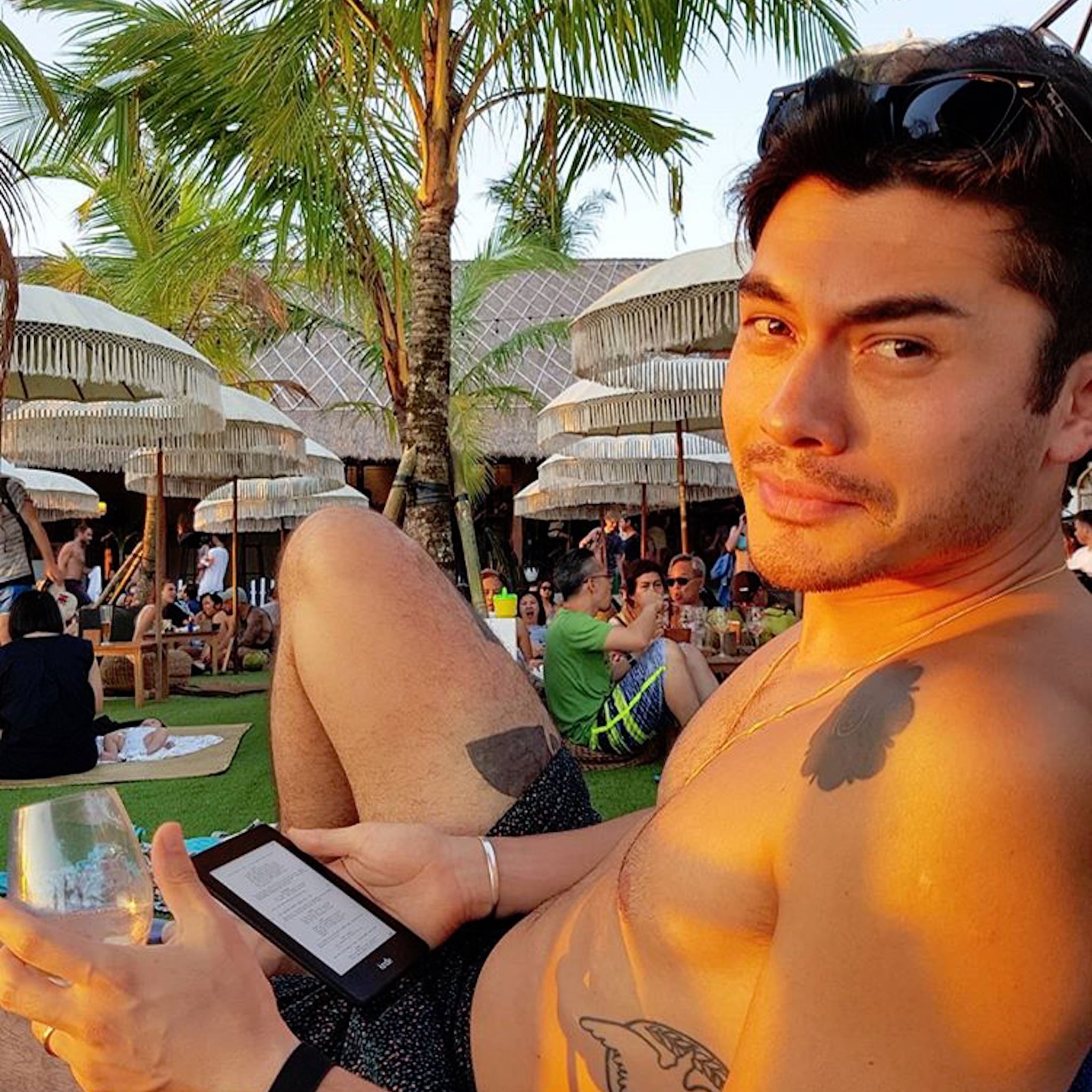
The story came about because I idly asked Alice who the boys would have celebrity crushes on, and she admitted she had no idea. I took it upon myself to create one for them – a classics documentary presenter mix of Professor Brian Cox, the physics TV presenter, and Henry Golding, who used to present on The Travel Show. I immediately became obsessed with my creation. Alice was kind enough to let me make Henry Maddox, TV presenter and classics nerd, an official part of the Heartstopper universe.
Alice and I have been friends since 2013, so I’ve been discussing Nick and Charlie’s journey with her for a long time, and I know the characters really well. It was really easy to write in their voices, and I had so much fun with it (mainly because I got to make Nick a bit of a cringe disaster!).
You can read the mini-comic here, and the Goodreads listing is here.
Alice and I thought we’d share the script I wrote too, so you can see how much was me, and how much was her. It’s amazing how much she managed to create exactly what was in my head, but add that extra special Oseman something to it. All of the amazing character expressions add a whole other layer of hilarity to the story.
The Ethics of Infatuation Dynamics byLauren James – script
Page 1:
Tao and Nick are waiting for Charlie outside the school entrance. Nick is bouncing a football.
Tao: Hey, can you find out if Charlie is free on [date near Charlie’s birthday]?
Nick: Sure. How come?
Tao: I’m getting him tickets for a classics talk by Henry Maddox for his birthday!
Nick: Who?
Tao: He’s this TV academic presenter guy. He does deep dives on, like, why the demise of the Roman Empire is a warning sign for the future of capitalism.
Nick: Oh, yeah. I think Char’s mentioned him.
Page 2:
Tao: Charlie is a full-on stan for Henry. He knows his star sign. He’s got push notifications enabled for his insta.
Close up of Tao’s phone, showing a picture of a Henry Golding-type, nerdy glasses and sweater-vest, speaking in a fancy Oxbridge-style lecture hall with DARK HAIR and BLUE EYES:
Henry Maddox FBA, FRSL (born 1987) is an English scholar and former musician, who is best known as the presenter of history programmes. Before his academic career, Maddox was a keyboard player for the Top 40 pop rock band Spare Parts. He also completed the Dakar Rally in 2019 with his brother . . .
Nick, amazed (this has never occurred to him): Charlie has a celebrity crush?
Tao: Nick. You were literally talking about how much you fancy Zooey Deschanel this morning.
Nick: Yeah but this guy is 1940s Hollywood handsome! And smart! And he looks nothing like me.
Nick slumps, despairing, football forgotten at his feet.
Nick: I can never be him.
Page 3:
Tao: I doubt Charlie cares. Not all of us have such a specific type.
Nick: What?
Tao points at Charlie, walking towards them and waving dorkily.
Tao: Mate. Dark hair and blue eyes? Kinda dorky?
Charlie, overhearing this: Are you talking about Zooey Deschanel again, Nick?
Nick, blushing. Tao, smug.
Nick: Shut up, Tao.
Page 4:
Nick and Charlie lying on the sofa with a dog. Charlie is scrolling through Henry’s Instagram.
Close up of Henry Maddox, shirtless, nerdy glasses, lounging with a classics book:
Reference picture
Horny comments left by people:
Simonk aeschylus and chill?
laurenjames down bad for the hellenic scholar like an absolute fool
Underhill93 talk mycenaean to me
Nick: Would you, er, say you’ve got a type?
Charlie (absently): O negative.
Nick: Not blood type. Type of person you fancy. Like that thirst trap professor.
Charlie: He doesn’t – that wasn’t – I appreciate him for his mind!
Nick, doubtfully: Oh yeah?
Charlie: He has really radical takes on the discourse around Sophocles, Nick!
Nick, sulking: I could have radical takes on Sopha – Sopho – Greek stuff too.
Page 5:
Charlie puts his phone down.
Charlie: What is this about?
Nick: My celebrity crush is basically you, but a girl. And yours is literally the exact opposite of me, in every way.
Nick throws a dog toy petulantly.
Charlie: Okay, so . . . who I do or don’t fancy isn’t a sign of how compatible we are.
Nick: But you’d be happier with Henry Maddox!!
Charlie: In the hypothetical universe where we’re the same age and go to school together, you mean?
Page 6:
Nick: I would just feel better if you fancied one of the Hemsworth brothers or a rugby player or something. Someone I could actually be, one day.
Charlie, squinting: I don’t want you to become anyone else.
Nick, standing up: I’m going to find a new crush who’s nothing like you. Then you’ll see how it feels!
Charlie, shouting after him: This isn’t a thing! Stop making this a thing!
Charlie stares at the dog, who looks equally confused at Nick’s departure.
Page 7:
Nick grumpily scrolling through a webpage of ‘WORLD’S HOTTEST CELEBRITIES’ (e.g. Zendaya, Jensen Ackles) on his laptop.
Nick waiting at the printer as an image prints out.
Nick pulling down a poster of Zooey Deschanel from his wall and taping up a poster of Ariana Grande.
Reference picture
Nick’s mum, walking past his door with a basket of laundry: Aww. Same dimples as Charlie!
Nick stares at the poster, despairing.
Page 8:
TWO WEEKS LATER:
Nick and Charlie queue up outside the British Library alongside a group of well-dressed academic types. Charlie is holding two tickets for HENRY MADDOX TALK.
Charlie: I really hope he talks about his new book! I just preordered it.
Henry, in a tweed waistcoat on stage, looking charming while leaning against podium:
Henry: – but we all know you can’t trust a Mesopotamian to source your copper ingots!
The audience all laughs, including Charlie. Nick frowns in confusion.
Henry: Any questions?
Charlie, hand in the air: I was wondering if you could recommend any books on Greek Sexuality?
Henry: Wow, great question.
Charlie looks pleased and giggly as Nick folds his arms, slumps down in his chair.
Page 9:
Nick and Charlie waiting in the queue for a book signing. Charlie is excited, standing on his toes to peer over the crowd at Henry.
Henry signs Charlie’s book.
Charlie: Thank you so much. I’m such a huge fan.
Henry (to Nick): Anything for you, love?
He winks at Nick (super charming – maybe sparkles/stars around him to show how handsome he looks)
Reference picture
Nick (flustered): Oh! I don’t, er, think so? That is – um –
Nick rubs the back of his neck, suddenly bashful.
Henry: Well – enjoy the book!
Nick: You too! I mean, er –
Reference
Nick, backing away, trips over a chair. Charlie catches his arm, leading him away.
Nick (starstruck): I guess he’s not so bad.
Charlie (embarrassed): Oh my god.
Page 10:
Text thread between Tao and Charlie:
Charlie: NICK FANCIES HENRY MADDOX
Tao: wat?
Charlie: I know!! he thinks he has a nice laugh. “It’s all posh but gruff too?” – direct quote.
Tao: you two have shared custody of a crush on this guy. w o w.
Charlie: at least he’s not jealous anymore??
Charlie: tho i had to stop talking about the new book because nick kept trying to defend henry’s honour. even though he knOWS NOTHING ABOUT CLASSICS.
Tao: save the review for your fan account.
Charlie: you cannot tell nick about that!!!!1!
Charlie: thank you for the tickets, by the way ❤
Instagram post by Nick:
Nick and Charlie posing for a photo with Henry at the signing table.
Nick’s caption: 😍
Comments
Charlie: 😍!!
Tao: dark hair. blue eyes. dimples. dorky.
Nick to Tao: I HATE YOU.
END
I hope you enjoyed seeing behind the scenes on this! It was SUCH a fun project, and receiving the pages every day from Alice as she drew them was the most delightful thing ever.
In summary:
I WOULD DIE FOR HENRY MADDOX. Look out for his cameo in my next book….
A Psalm for the Wild-Built by Becky Chambers – set in a future world where humans live alongside nature in green, adaptive cities with vertical farms. Out in the wilderness, the descendants of robots from the ‘factory-age’ live in freedom, after developing sentience. This is sci-fi I’ve been craving for years. It was such a breath of fresh air to read about goodness and human kindness, while addressing our flaws and failings as a society running on fossil fuels.
Fire and Hemlock by Diana Wynne Jones – From the Queen of fantasy, this 1985 release is a weird and wonderfully unique fairy tale remix. It’s dreamy and romantic, and worthy of an annual reread.
Hamnet by Maggie O’Farrell – Writing so good you can taste it in this historical fiction about the children and wife of Shakespeare during an outbreak of the plague. Slightly magical, and very dryly aware of Shakespeare’s historical impact without ever directly referring to it, it’s brimful of herbal witchery and country folklore.
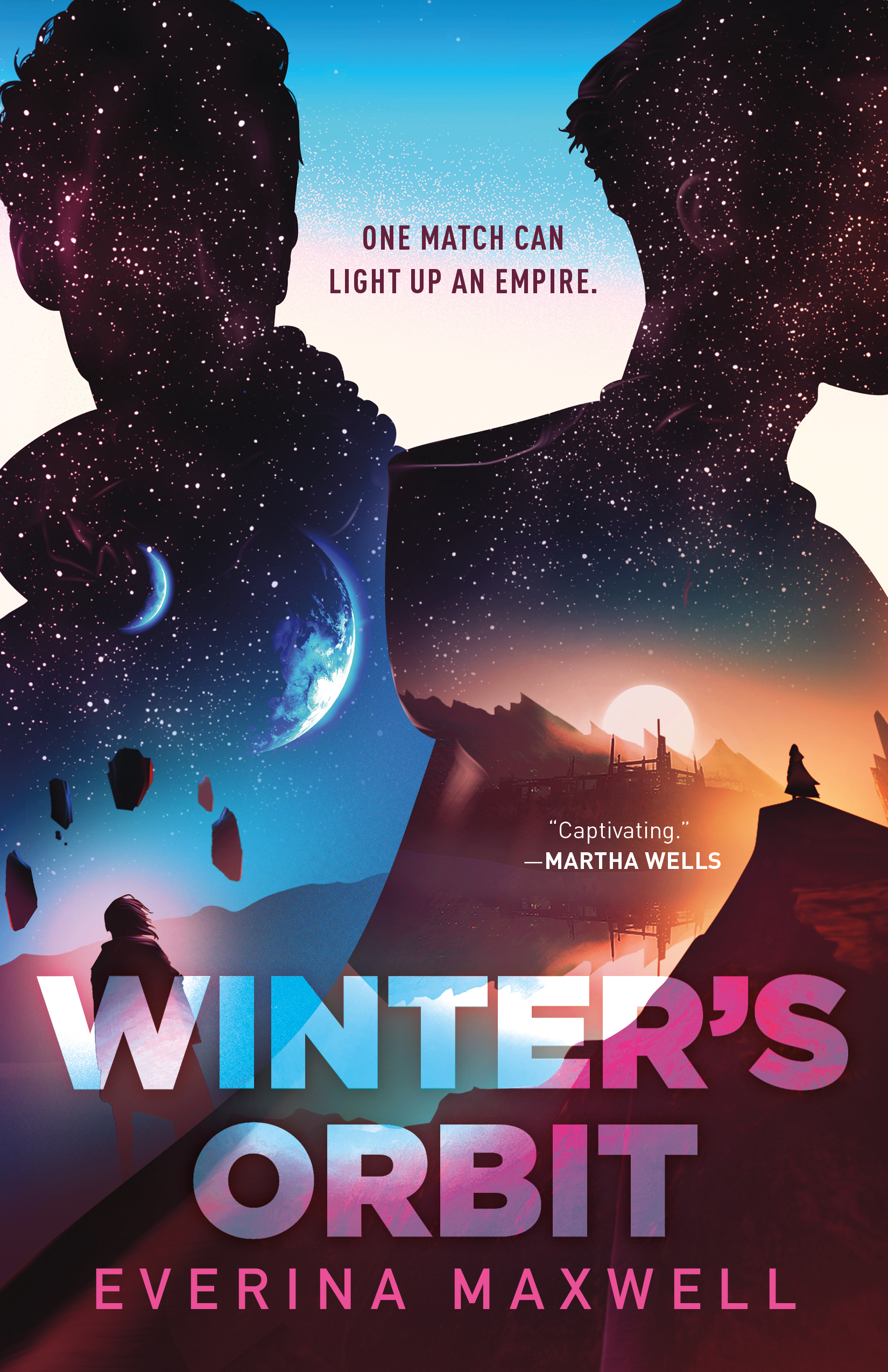
Winter’s Orbit by Everina Maxwell – A incredible sci-fi romance with royal fake dating, ice-torn wilderness survival and sneaky political manoeuvring. This one is for fans of Lois McMaster Bujold (AKA, I adore it and need 17 more…)
Dessert Person by Claire Saffitz – I’ve made so many of the recipes from this book multiple times, including the apple cider tart, oat and pecan cookies, coconut thumbprint cookies, and gruyere cheese puffs. Really delicious and well written recipes.
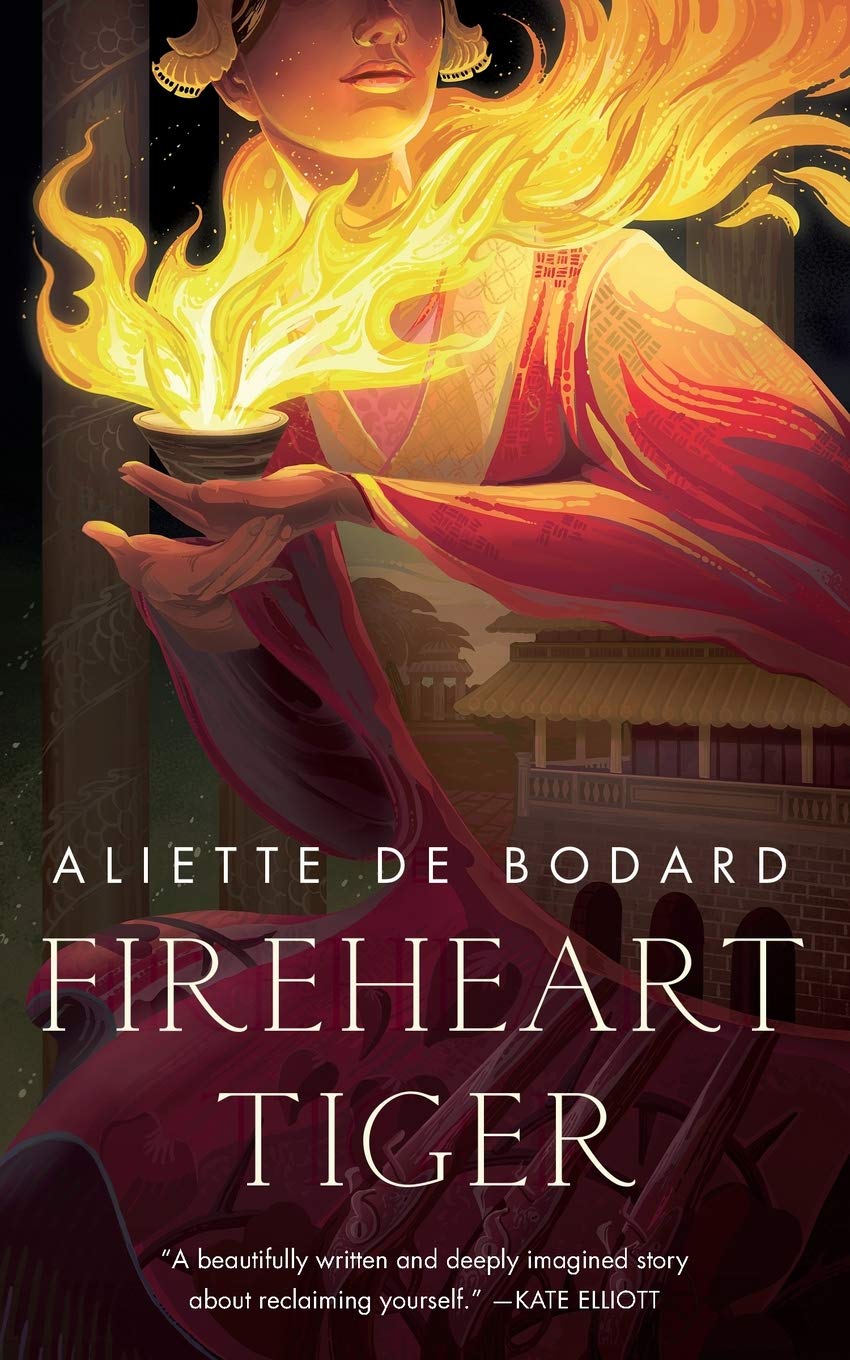
Fireheart Tiger by Aliette de Bodard – A noblewoman in a fantasy pre-colonial Vietnam falls in love with a princess, befriends a fire spirit and has to decide what her future will be. I loved the inter-country political negotiations. A novella with bite.
A Marvellous Light by Freya Marske – I was super excited to read Freya’s debut, since it hits all of my favourite tropes – country houses, historical magic, evil nobility and interior design. It truly surpassed my expectations – Freya’s writing is so beautiful on a prose level, with sentences sparkling like poetry.
Lore Olympus by Rachel Smythe – I read the entirety of this long-running graphic novel series in three days. It was immense (there are over 180 ‘episodes’). A retelling of Hades and Persephone where all the Greek gods live in a modern, tech filled version of Olympus, while mortals live in classical times on Earth. This is so cleverly done, with some great takes on the more problematic elements of mythology. It doesn’t shy away from the sexism and immorality of the gods, and treats the trauma with respect and dignity. So creative, romantic and immense!
In 2021, I have:
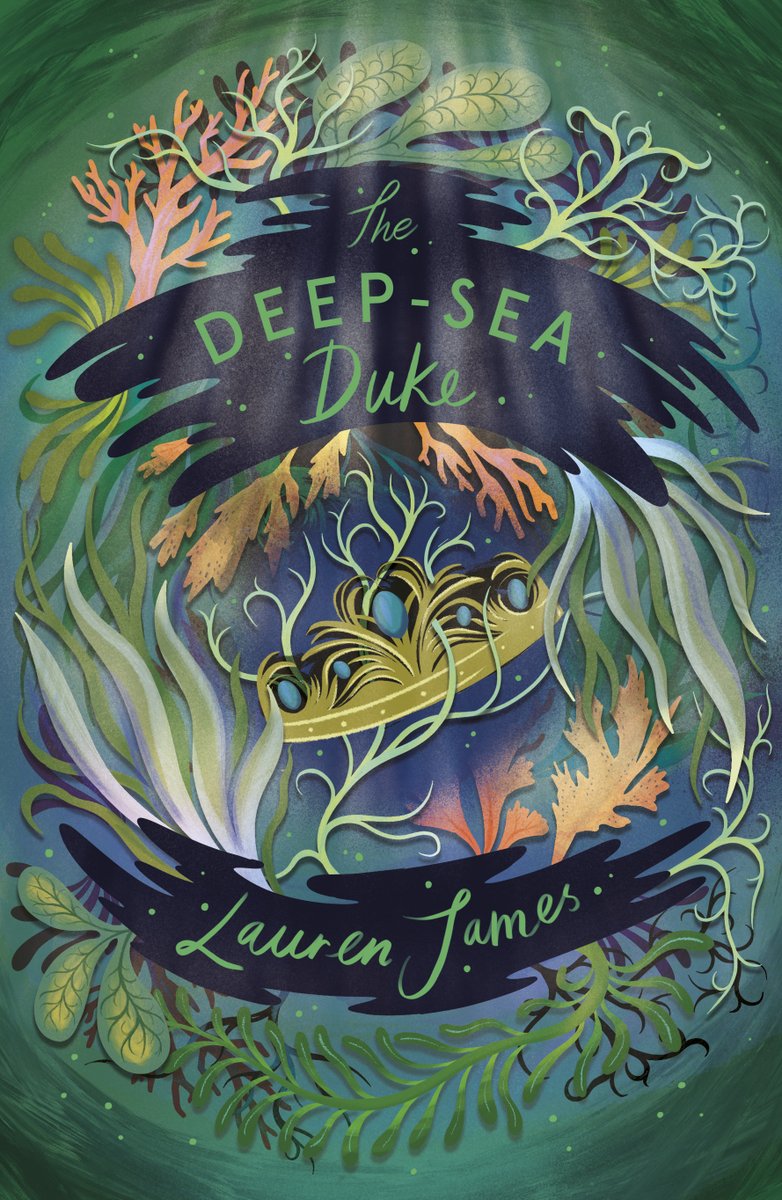
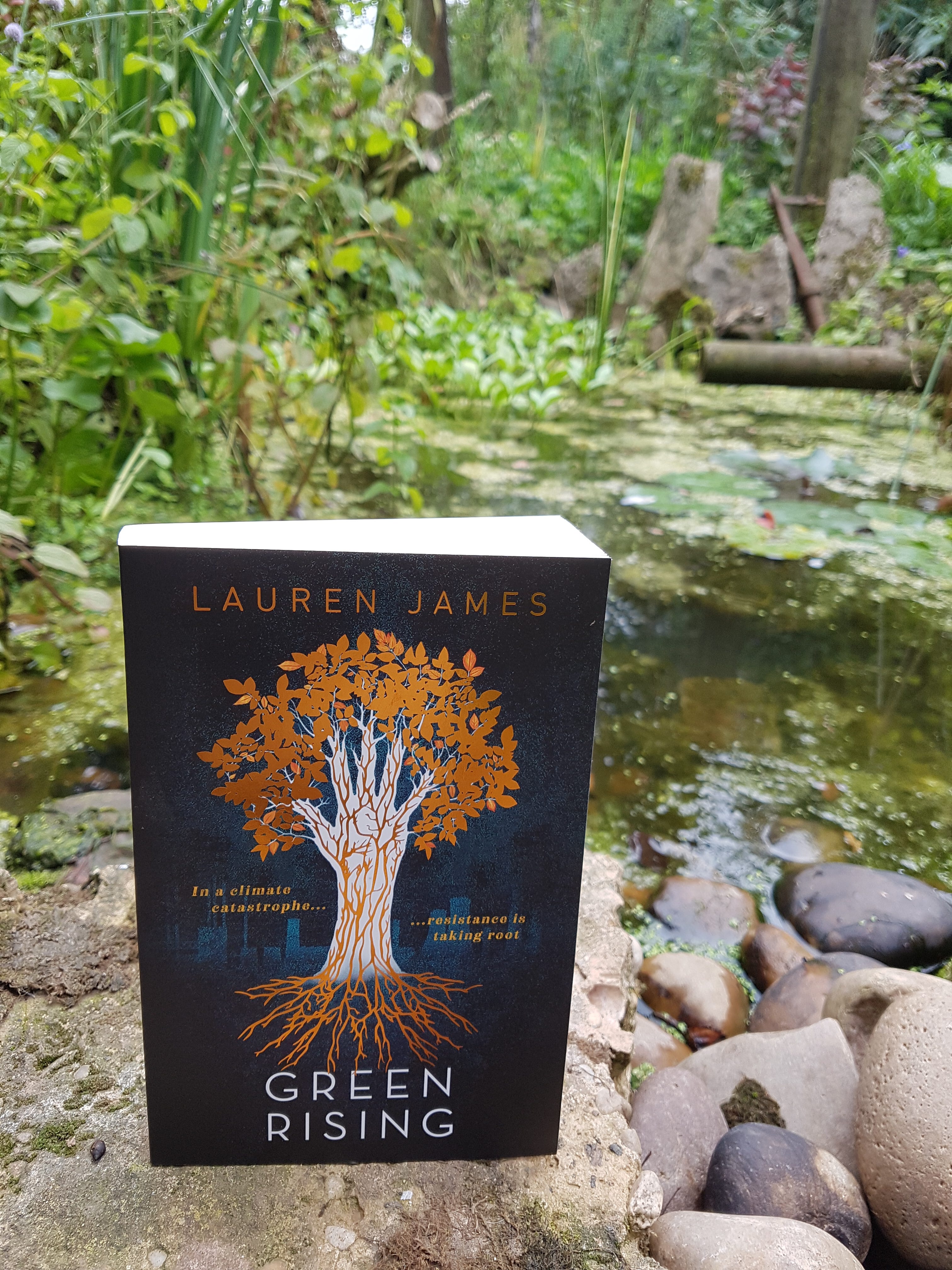
published the climate thriller Green Rising (September) and the dyslexia-friendly sci-fi adventure novella The Deep-Sea Duke (February)
was accepted for a position as a RLF Royal Fellow, starting next autumn
did over 30 events, mainly virtually – watch my YALC panel with Femi Fadugba, Jonathan Stroud, K L Kettle, Micaiah Johnson and Veronica Roth, and my CYOTOPIA climate science and art interview with Laura Lam and two scientists
I was expecting that list to be really short, because it feels like 2021 was another year spent mainly working at home and trying to avoid going anywhere with high COVID levels. But actually, I did a lot! And set up the groundwork for a lot of huge projects which I can’t talk about, but are deeply exciting. Like, insanely, massively exciting.
Here’s to hoping that 2022 brings better health for everyone. Merry christmas and a happy new year, all!
I’m a big fan of music when I’m drafting a novel – I have playlists for all of my projects, and I listen to them when I’m writing or thinking about my book. It helps me get really excited about my characters and see things from their point of view. When I was writing Green Rising, I listened to one band in particular – The Amazing Devil.
The book is told from alternating points of view between Theo and Hester, who start off as enemies and then fall in love. The band is a male and female duo, and a lot of their songs are angry duets where they’re yell-singing at each other. It fit Theo and Hester’s dynamic perfectly, and I typed out a lot of fast-paced arguments to their album.
Here’s my playlist for Green Rising, which includes more than a few The Amazing Devil songs, as well as others which resonated for me with the story. Hester’s complicated relationship with her father is represented in a lot of these, as well as Gabrielle’s chaotic law-breaking activism, and Edgar’s capitalistic space-race misdeeds. Enjoy! You can listen on Spotify here (or add me as a friend!).
Pruning Shears by The Amazing Devil
So we’re at this shindig everything’s going on they’re so filthy rich Comparing oil rigs, how their girlfriend’s new car is so kitsch And they’re discussing champagne The latest and greatest lame campaign, and how their brothers own shares one Day it’ll make them millionaires
Vienna by Billy Joel
Slow down you crazy child You’re so ambitious for a juvenile But then if you’re so smart tell me, Why are you still so afraid?
Wasteland, Baby! by Hozier
And when the stance of the sea and the absence of green Are the death of all things that are seen and unseen Not an end, but the start of all things that are left to do? Wasteland, baby
1 step forward, 3 steps back by Olivia Rodrigo
It’s always one step forward and three steps back Do you love me, want me, hate me? Boy, I don’t understand
Seashore by The Regrettes
You’re talkin’ to me like a child Hey I’ve got news, I’m not a little girl You’re talkin’ to me like I’m dumb Well I’ve got news, I’ve got a lot to say Fight fire with fire and you’ll get burned Hey I think right about now is your turn
Farewell Wanderlust by The Amazing Devil
All those letters unsent and that garden ungrown I’m the captain of courage that you’ve eternally lacked Our Gods have abandoned us, left us instead Take up arms, take my hand, let us waltz for the dead
Riptide by Vance Joy
Oh, all my friends are turning green You’re the magician’s assistant in their dream Lady, running down to the riptide Taken away to the dark side I wanna be your left hand man
The Horror and the Wild by The Amazing Devil
Welcome to the storm, I am thunder Welcome to my table, bring your hunger Think of all the horrors that I promised you I’d bring
The Quittin’ Kind by Eleisha Eagle
There’s a corner you painted yourself in I’m not sure what was your intention? Now you’re trapped alone on an island and you can’t swim Take it nice and slow my baby Everything is OK and you’re doin’ fine You’re not the quittin’ kind
Home by Cavetown
Get a load of this train wreck His hair’s a mess and he doesn’t know who he is yet But little do we know, the stars Welcome him with open arms
Papa Was a Rodeo by The Magnetic Fields
Before you kiss me you should know Papa was a rodeo Home was anywhere with diesel gas
Restless Year by Ezra Furman
I’m the dusty jewel in the thrown-out crown Got a bus pass to make my way From hideout to hideout in the heat of the day And when you catch my coattails I’ll be miles away
Battle Cries by The Amazing Devil
Our devils broke rank and out of the depths came an army And as I walk away I know that I’ve been through the wars But that creaking you hear in my bones, it’s not pain, it’s applause
The Fine Print by The Stupendium
The conglomerate’s got you in lock and key We put the dollar back into idolatry If you’re upset, you can rent an apology We are a family forged in bureaucracy No “I” in “team, ” but there’s “con” in “economy”
London Boy by Taylor Swift
You know I love a London boy He likes my American smile Like a child when our eyes meet, darling, I fancy you
For book club and school readers, my publisher has prepared some questions to help guide a climate change-focussed discussion using my new novel Green Rising. You can also download a book club guide PDF. Let me know if you have any questions about these, as I’m happy to adjust and adapt for use!
Did the book expand your views on climate change? What were your main takeaways? Did you learn anything that surprised or shocked you?
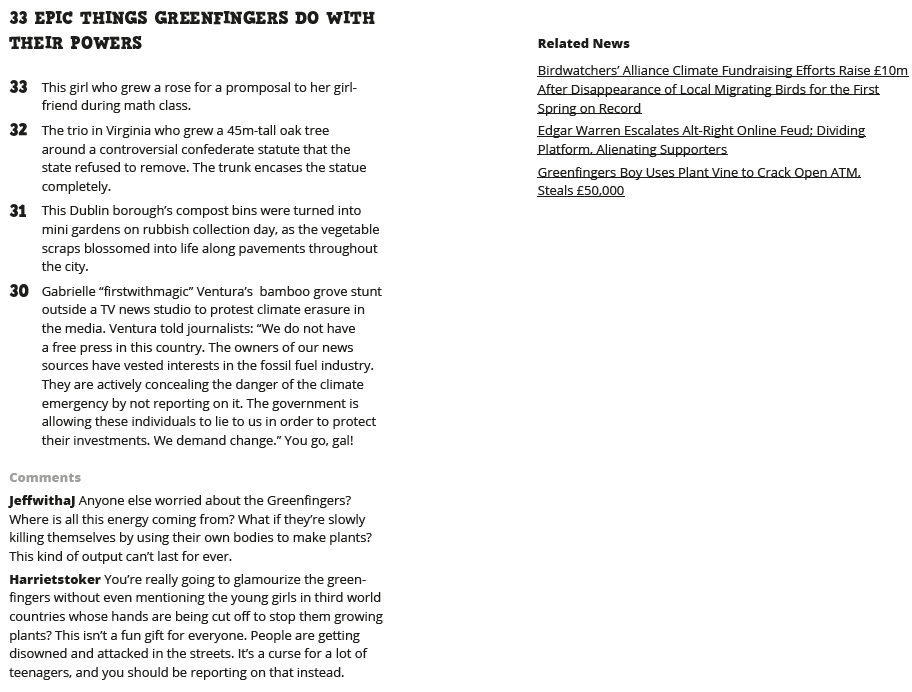
How did the layout of the book – including all the online comments, news articles, etc — affect you as a reader? Why do you think Lauren James chose to include all these extra elements? What do the extracts say about how information disseminates across the internet?
Do you think Lauren James made the world of the novel feel realistic and plausible? Why or why not?
Are any of the characters purely ‘good’ or ‘bad’, or do they all have some shades of grey? Characters that might be good to discuss include Hester, Theo, Gabrielle, Edgar or Mr Daleport.
What are some of the negative repercussions of the Greenfinger powers that the book considers, both in the story and the extra asides?
“This whole planet is screwed. It’s impossible to do anything without hurting someone, somewhere,” (pages 193-194). Is it challenging to always do the right thing by the environment in your everyday life? Is it even possible?
How is Hester’s relationship with her parents different to Theo’s relationship with his? How has that helped shape the people they’ve become, for better or worse?
The novel has two key voices: Hester and Theo. Did you connect with either character more than the other? While we hear a lot from Gabrielle, we never get her voice: why do you think Lauren James might have decided to focus on Hester and Theo instead?
How does the novel use Hester and Theo’s individual Greenfinger capabilities to explore various things they’re struggling with, like belonging, insecurity, and emotions?
“This isn’t the end of anything,” Gabrielle said. “You can’t think about it like that. We’re going to continue living here for ever, however bad Earth gets. Calling this an apocalypse just leads to fear paralysis. It gives people yet another reason to avoid acting. But this is happening; it’s real. Set your old ‘normal’ aside and start working on building a new one,” (page 223). What are some possible strategies, big or small, Green Rising suggests individuals and communities could utilise to come together to help combat climate change?
If you could spend Edgar Warren’s fortune, what would you do with it?
How is the concept of geoengineering presented in the book? Are these solutions a good or bad idea?
Where do you think the characters will be in ten years’ time? Do you think they’ll have colonised Mars?
The Greenfingers powers are amplified when the teenagers work together. What do you think this is an allegory for?
How would you use Greenfingers powers if you had them?
Some of the Greenfingers ideas go badly wrong. Do you think the urgency of the climate crisis justifies making mistakes in the name of experimentation – or should we be more cautious than Theo and Hester?
The characters in Green Rising often have grey morality, breaking the law in pursuit of their cause. Do you think this is acceptable? What do you think of Gabrielle’s comparison between climate activists and the suffragettes?
What do the roles of the parents and children in the novel say about different generations’ perspectives on climate change? Do you believe that activism is undertaken by young people alone?
Laura Lam, author of sci-fi Goldilocks, interviewed me about my new climate thriller Green Rising, out now with Walker Books.
Laura: I zipped through Lauren James’ Green Rising when I was offered it for a blurb. It’s a perfect call to arms for teens (and adults) for climate change, while also being a rollicking good read! After I finished, I interviewed her for my YouTube channel, C.Y.O.Topia, which I do with my friend Dr. Sinead Collins, along with marine biologist Dr. Johanna Vad. This has been linked on this newsletter before, but thought it’d be a great excuse to link it again if you missed it last time. We delve more into the science side of things.
I’m excited I can now ask some more questions about Green Rising I didn’t have a chance to ask in the interview or else it’d be too long.
What were the different challenges and opportunities you faced while writing Hester, Theo, and Gabrielle?
I really wanted to capture a mix of responses to the climate crisis, but without having any characters be totally uneducated about the topic – I feel like that’s unrealistic in this time, when we’re all very aware of the future we’re facing. Hester starts out the novel as someone who is against climate action, but she considers herself very educated and engaged on the topic and can debate very well on it. She’s been raised by an oil tycoon, so she knows all of the economical and political background of the climate issue.
Meanwhile, Theo is a fisherman’s son, and he is aware of the need for climate action but isn’t very educated about the topic. He just knows that action needs to be taken, even though he doesn’t know what or how it would be possible.
Gabrielle is a climate activist, and she knows what needs to be done, and specifically is willing to break the law to do it. She sees it as an ethical responsibility.
Their views all change over the course of the book, as the three of them start being able to grow plants magically, and use that power to tackle the climate. It was difficult to construct the character arcs for them that felt realistic and built into their cultural upbringing. I wanted it feel genuine to the experience of becoming more involved in climate issues.
If you could grow plants from your hands, what kind of plant would you want it to be?
Since researching rewilding for the book, I’ve become so aware of wasted land spaces, particularly in cities. I wish I could seed-bomb them all with wildflowers! It would be great to do that magically.
I always find it weird when you write things in near-future SF (like my book Goldilocks, set in a future in environmental collapse) and then see a version of it come true. What are some developments in climate change news since you wrote the book have really struck you?
Oh, it’s been so depressing. There are lots of news articles in the book which include headlines for climate articles. I read lots of non-fiction about the future, and a lot of these events were inspired by predictions of the future. I was trying to pitch things happening a few decades from now, but several of them happened during the writing process itself. In particular, I remember reading about a spate of mystery elephant deaths in Botswana, and adding it into my draft as being a result of climate change. A few months later I checked the news and found out that there it actually was due to algae blooms in their water sources from heat waves.
Did you have to kill any darlings you wish could have made it into the book, i.e. some of the research that just couldn’t fit into the story?
Oh, gosh. So much. It’s such a huge topic, effecting so much politically and economically. I really wanted to dive more into how fossil fuel investments effect the US political system, but it was too far away from the main plot. I think I cut 50,000 words from the first draft to the final version.
I also really wanted to dive more into how we could use plants to deal with plastics in landfills, but it felt too small an issue when there are so many bigger, greater threats!
What’s the main thing you hope teens take away from Green Rising?
As individuals, we can’t do anything. But as a collective we have the power to make change. Make sure you are adding your name to that collective, so the people doing the active work have enough clout to get noticed. It takes around 3.5% of the population actively participating in protests to ensure serious political change. That’s such a small amount. We can do this.
Some important things you can personally do, right now:
-check your bank/savings/pension scheme isn’t investing your money in fossil fuel companies
-change your energy supply to a green energy tariff
-find a climate action group in your profession & sign up for their newsletter
I love books which move beyond depressing dystopias set in the near-future, to show a more positive and active approach to the climate crisis. Like my new book Green Rising, all of these books are positive and uplifting, and inspire readers to take action. The future isn’t hopeless, and this fiction represents that.
The Summer We Turned Green by William Sutcliffe
It’s the summer holidays, and thirteen-year-old Luke’s life has been turned upside down. First his older sister Rose moved ‘across the road’, where a community of climate rebels is protesting the planned airport expansion. Then his dad followed her.
Dad only went to get Rose back, but now he’s out there building totem poles, wearing sandals and drinking mead (whatever that is) with the best of them.
Can Luke save his family when all they want to do is save the planet?
The Nature of Witches by Rachel Griffin
In a world where witches control the climate and are losing control as the weather grows more erratic, a once-in-a-generation witch with the magic of all seasons is the only one who can save earth from destruction. But as her power grows, it targets and kills those closest to her, and when she falls in love with her training partner, she’s forced to choose between her power, her love, and saving the earth.
A Psalm for the Wild-Built by Becky Chambers
It’s been centuries since the robots of Earth gained self-awareness and laid down their tools. Centuries since they wandered, en masse, into the wilderness, never to be seen again. Centuries since they faded into myth and urban legend.
One day, the life of a tea monk is upended by the arrival of a robot, there to honor the old promise of checking in. The robot cannot go back until the question of “what do people need?” is answered. But the answer to that question depends on who you ask, and how. They’re going to need to ask it a lot.
Wolf Light by Yaba Badoe
When copper miners plunder Zula’s desert home in Gobi Altai, and Adoma’s forest and river are polluted by gold prospectors, it is only a matter of time before the lake Linet guards with her life is also in jeopardy. How far will Zula, Adoma and Linet go to defend the well-being of their homes? And when all else fails, will they have the courage to summon the ancient power of their order, to make the landscape speak in a way that everyone will hear?
The Ones We’re Meant to Find by Joan He
Cee has been trapped on an abandoned island for three years without any recollection of how she arrived, or memories from her life prior. All she knows is that somewhere out there, beyond the horizon, she has a sister named Kay, and it’s up to Cee to cross the ocean and find her.











 Wren James